Fayetteville & Cumberland County, NC
Stump Grinding in Fayetteville, NC
Tell us about the stumps in your yard and we’ll connect you with local tree pros who grind them below grade, clean up and get the spot ready for grass or planting.
- Free, no-obligation quotes
- Local Cumberland County pros
- Takes about a minute
Get Free Stump Grinding Quotes in Fayetteville
Share a few details and photos, and we’ll connect you with local tree pros who can quote your stumps, usually within a day or two.
An old stump is more than an eyesore. It gets in the way of mowing, trips kids and guests, sends up sprouts and can draw termites toward your house. Stump grinding takes the stump down below ground level so you can reseed, plant or build over the spot. Cumberland Tree Pros is a free referral service. We connect Fayetteville homeowners with independent, locally owned tree companies that grind stumps, and you choose who to hire.
What Stump Grinding Includes
Stump grinding uses a machine with a spinning, toothed cutting wheel to chew the stump into small wood chips. The wheel sweeps back and forth across the stump and works down until the wood is below the surface. The roots are left in the ground to decay naturally.
A typical stump grinding job includes:
- Grinding the stump to an agreed depth, usually 6 to 12 inches below grade
- Grinding visible surface roots near the stump, if quoted
- Raking the grindings back into the hole or piling them nearby
- Optional add-ons: hauling away grindings, filling with topsoil, or seeding
Grinding is different from full stump removal, which digs or pulls out the whole root ball. Removal leaves a large hole and costs more, so most homeowners choose grinding unless they’re building a foundation or driveway over the spot.
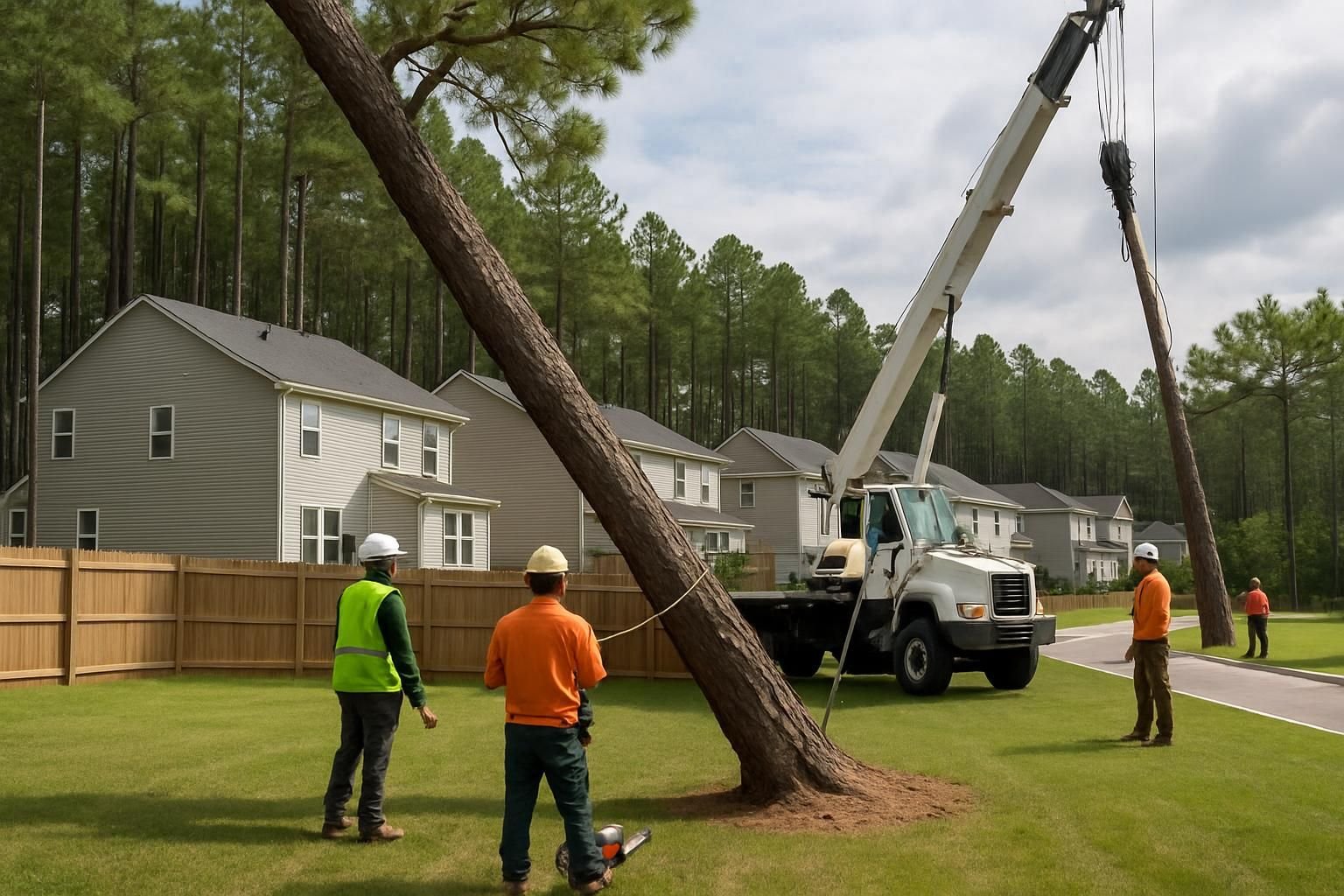
Signs You Need Stump Grinding
- Sprouts keep coming back. Sweetgum, Bradford pear and red maple are known for sending up suckers from old stumps.
- The stump is in the way. You mow around it, trip over it or can’t fit a shed, fence or play set.
- It’s rotting or hollow. Decaying wood can attract termites, carpenter ants and fungus.
- You’re selling or landscaping. Stumps make a yard look unfinished and complicate new beds and sod.
- Storm cleanup left several stumps. After a hurricane or ice storm, many yards end up with a row of fresh stumps.
How a Professional Crew Grinds a Stump
The equipment
Stump grinders come in a few sizes. The pros we connect you with choose based on stump size and how easy your yard is to reach:
- Walk-behind or handlebar grinders fit through a standard 36-inch gate and handle small to medium stumps.
- Tracked or self-propelled grinders handle larger stumps and soft or sloped ground with less turf damage.
- Tow-behind or large commercial grinders are used on big oaks, pecans and multi-stump jobs with open access.
The process
- Locate utilities. A careful crew will want underground lines marked before grinding. NC 811 marks public utility lines for free; private lines like sprinkler pipes, invisible dog fences and outdoor lighting wires are on you to point out.
- Clear the area. Rocks, toys, decorations and debris are moved away from the stump.
- Cut the stump low. If the stump is tall, it’s trimmed close to the ground with a chainsaw first.
- Grind in passes. The operator swings the cutting wheel side to side, lowering it a few inches each pass until the agreed depth is reached.
- Follow surface roots. If included, the crew grinds roots running out from the stump.
- Clean up. Grindings are raked into the hole, piled or hauled away, depending on your agreement.
Safety
Grinders throw chips and small debris at high speed. Expect the crew to wear eye, ear and leg protection and to keep people and pets well back. Some crews set up debris shields when grinding near windows, cars or siding. Plan to keep kids and dogs indoors while the machine is running.
Fayetteville Factors That Affect Stump Grinding
Common local trees
Stumps around Cumberland County are most often loblolly and longleaf pine, water oak, willow oak, southern red oak, sweetgum, pecan and Bradford pear. Pine stumps grind fairly quickly and won’t resprout. Oak and pecan wood is dense, so those stumps take longer and can cost more at the same diameter. Sweetgum and Bradford pear stumps are prone to sprouting if not ground thoroughly.
Sandy soil vs. clay
West of town, toward Fort Bragg, Spring Lake and Raeford, soils are deep Sandhills sand. Grinding is usually straightforward, but sand dulls grinder teeth, and filled holes tend to settle as roots rot. Expect to add a bit more topsoil a few months later.
Toward the Cape Fear River and in parts of Eastover and Gray’s Creek, heavier loam and clay hold water. Wet clay can make grinding messier, and heavy machines may rut soft lawns, so timing after a dry spell helps.
Storms
Hurricanes like Matthew and Florence saturated local soils and toppled shallow-rooted pines and water oaks, leaving uprooted root plates as well as cut stumps. A root plate that’s tipped up out of the ground often needs different handling than a standard stump, so mention it when you ask for quotes. If a tree is down on your house or blocking access right now, start with emergency storm tree removal and handle stumps once things are safe.
Tight lots and HOAs
Many neighborhoods in Haymount, Lake Rim and Hope Mills have fenced backyards, narrow side yards and stumps close to patios or foundations. Measure your gate width before you request quotes, since it decides which grinder can get in. If you live in an HOA community, check whether there are rules about tree removal, replanting or working near common areas. For stumps near the street or sidewalk, check with the City of Fayetteville or your town, since right-of-way rules vary.
Stump Grinding Cost in Fayetteville
The figures below are estimates for the Fayetteville area. Actual prices vary by stump size, wood type, access, roots and cleanup, and real quotes from the pros decide your price. Many companies price around $3 to $5 per inch of diameter, measured across the widest part of the stump at ground level, with a minimum charge of about $100 to $150.
| Job | Typical estimate (Fayetteville area) |
|---|---|
| Small stump (under 12 in.) | $100-$150 (minimum charge often applies) |
| Medium stump (12-24 in.) | $100-$200 |
| Large stump (24-36 in.) | $150-$300 |
| Very large stump (36 in.+, oak or pecan) | $250-$400+ |
| Additional stumps on the same visit | Often discounted per stump |
| Surface root grinding, haul-away or topsoil fill | Usually extra; ask for line-item pricing |
Main price drivers:
- Diameter: the biggest factor in most quotes.
- Wood type: hardwoods like oak and pecan take longer than pine.
- Access: narrow gates, slopes, fences and stumps against foundations slow the work.
- Number of stumps: several stumps in one trip usually lower the per-stump price.
- Depth: a deeper grind for planting a new tree or building costs more.
- Roots and cleanup: surface roots, hauling grindings and backfilling add time.
For prices on removal, trimming and other work, see our Fayetteville tree service cost guide. If the tree is still standing, bundling tree removal with grinding can save a second trip charge.
How to Choose a Stump Grinding Pro
North Carolina has no statewide license for tree service companies, so it’s up to you to check the basics. ISA Certified Arborist is a voluntary credential that matters more for tree health decisions than for routine grinding, but it can be a good sign of a well-run company.
Questions to ask:
- Can you show proof of general liability and workers’ compensation insurance?
- How deep will you grind, and is that in writing?
- Is surface root grinding included? How far out from the stump?
- Will you rake grindings into the hole, pile them or haul them away?
- Will your machine fit through my gate, and how will you protect my lawn?
- Do you need utilities marked before you arrive?
- Is the price per stump, per inch or a flat total, and are there any extra fees?
Get a written estimate that lists every stump, the depth and the cleanup. Comparing two or three quotes side by side makes it easy to spot what’s missing. You can request free quotes from local tree pros right on this page.
What Happens on Job Day
Most residential stump grinding jobs take 30 minutes to a few hours, depending on the number and size of stumps. Here’s what to expect:
- Before the crew arrives: unlock gates, move vehicles, flag sprinkler heads and buried wires, and bring pets inside.
- Walk-through: confirm which stumps are on the list and any depth or root details.
- Grinding: it’s loud. Let close neighbors know if you have a tight lot.
- Final check: look at each spot before the crew leaves to make sure the depth and cleanup match the estimate.
Cleanup and what’s left behind
Grinding a stump produces a surprising amount of material, often a mound bigger than the stump itself. Grindings work well as mulch around shrubs, though fresh wood chips mixed into soil tie up nitrogen as they break down. If you plan to seed or sod, remove most of the grindings, fill the hole with topsoil, tamp it and leave it slightly mounded to allow for settling. Sprouts from sweetgum or Bradford pear roots can show up for a season; mow or clip them as they appear.
If you’re dealing with a whole wooded section rather than a few stumps, land and lot clearing may be the better fit, since crews can handle stumps, brush and small trees in one job.
Get Matched With Local Stump Grinding Pros
Whether you have one pine stump in the front yard in Stedman or a dozen storm stumps on a lot near the Fort Bragg area, the tree companies we work with can give you clear, written pricing. Tell us how many stumps you have, roughly how wide they are and how the crew will reach them. Photos help. Then get your free stump grinding quotes and pick the pro that fits your job and budget.
Latest stump grinding guides
-
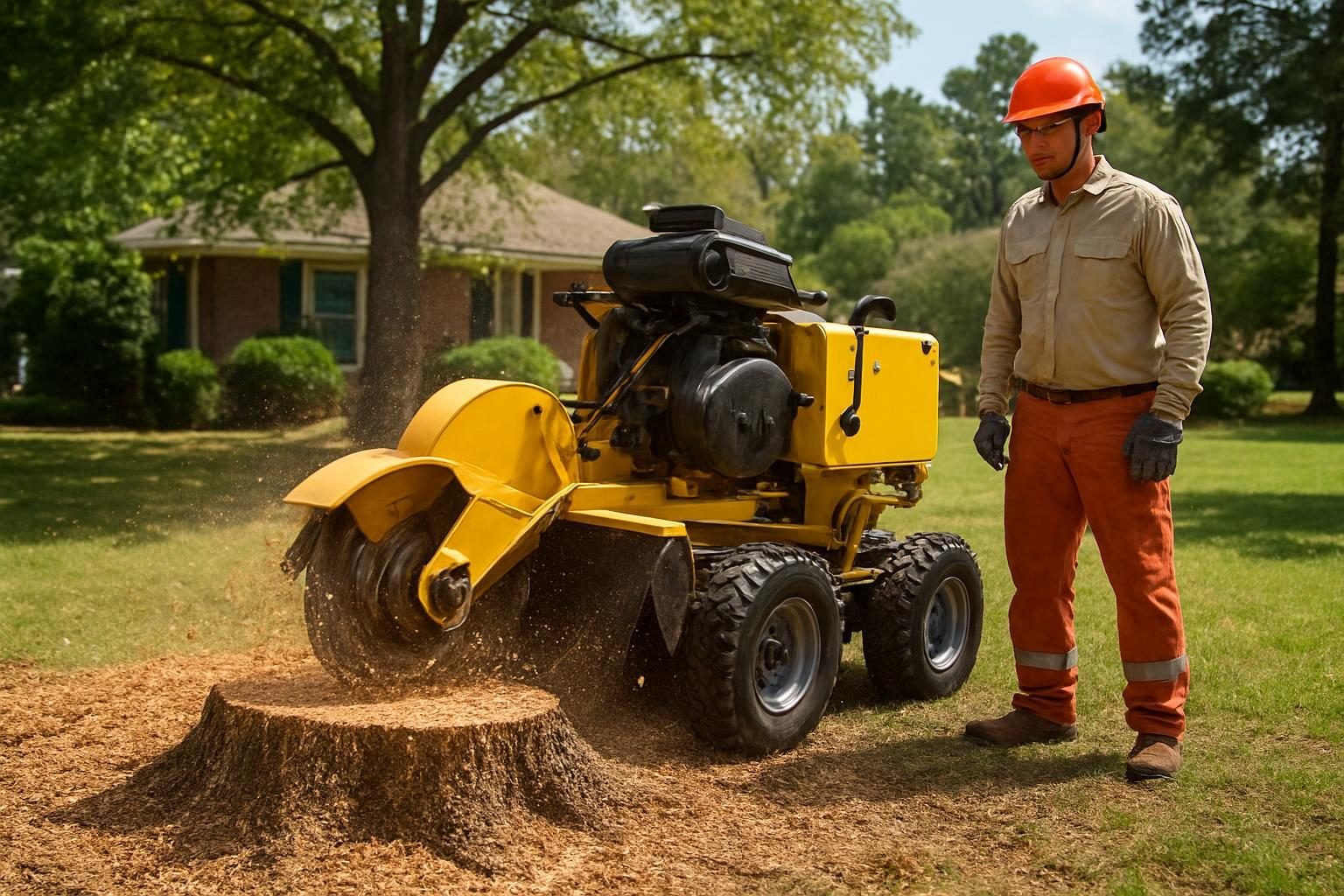
Stump Grinding Cost Per Stump (and Per Inch) in Fayetteville
Stump grinding cost per stump in Fayetteville, NC: how pros price by inch, minimum fees, multi-stump discounts, and how to…
-
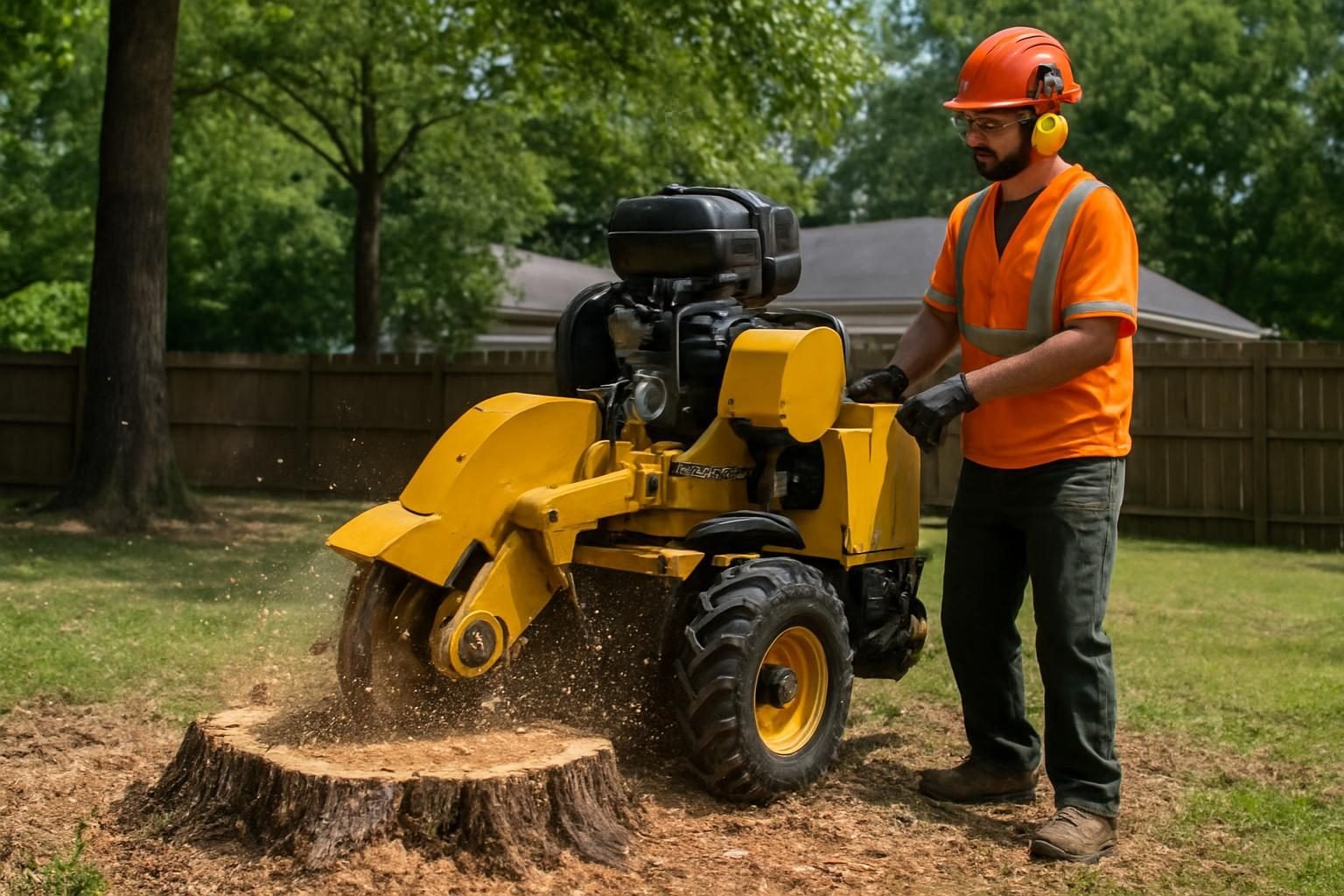
Stump Grinding vs Stump Removal: Which Is Right for Your Yard?
Stump grinding vs stump removal in Fayetteville, NC: process, cost estimates, yard damage, regrowth, and which option fits your lawn,…
More services
Other tree services in Fayetteville
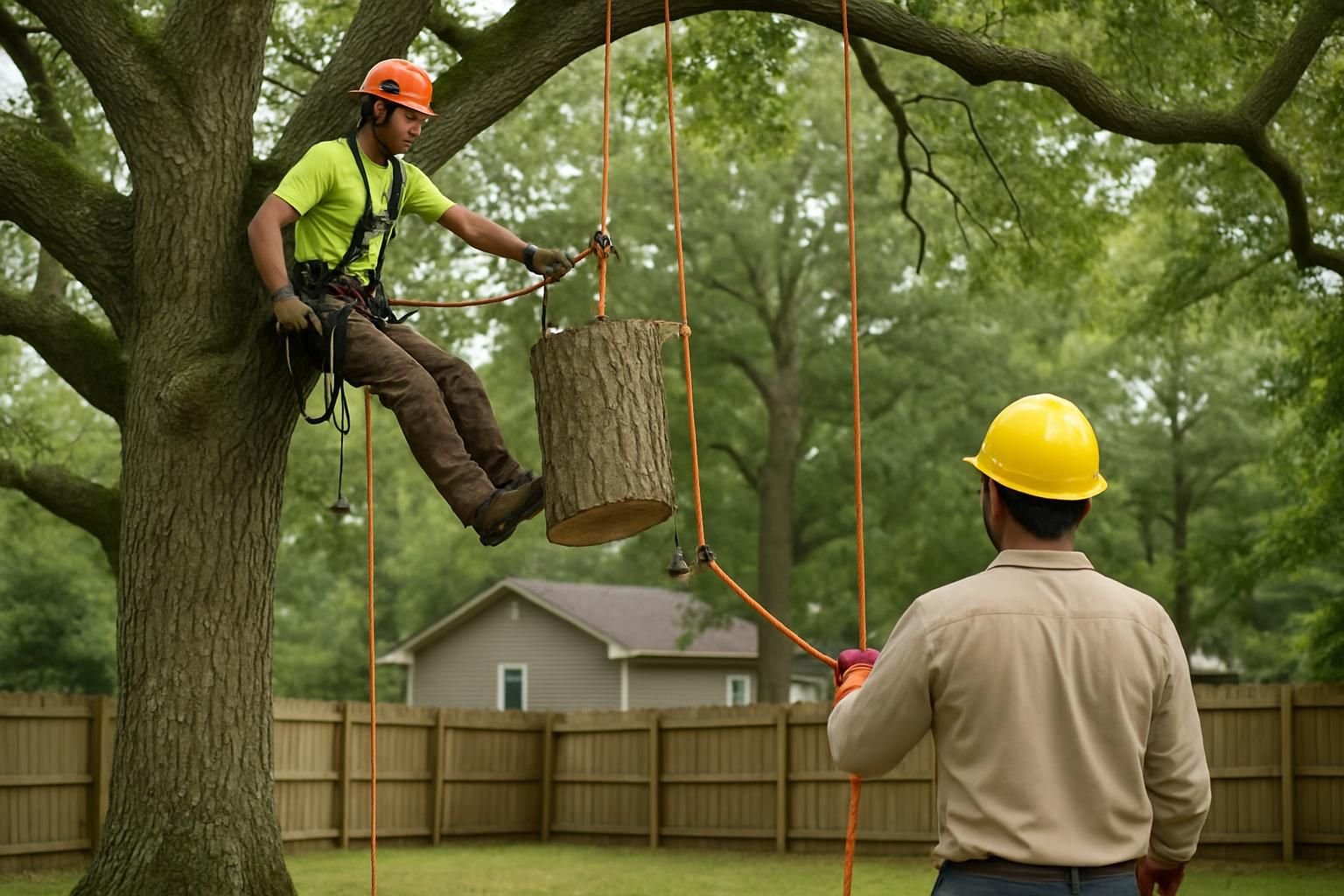
Tree Removal
Safe removal of dead, leaning or unwanted trees, including tight spots near homes and power lines.
Learn more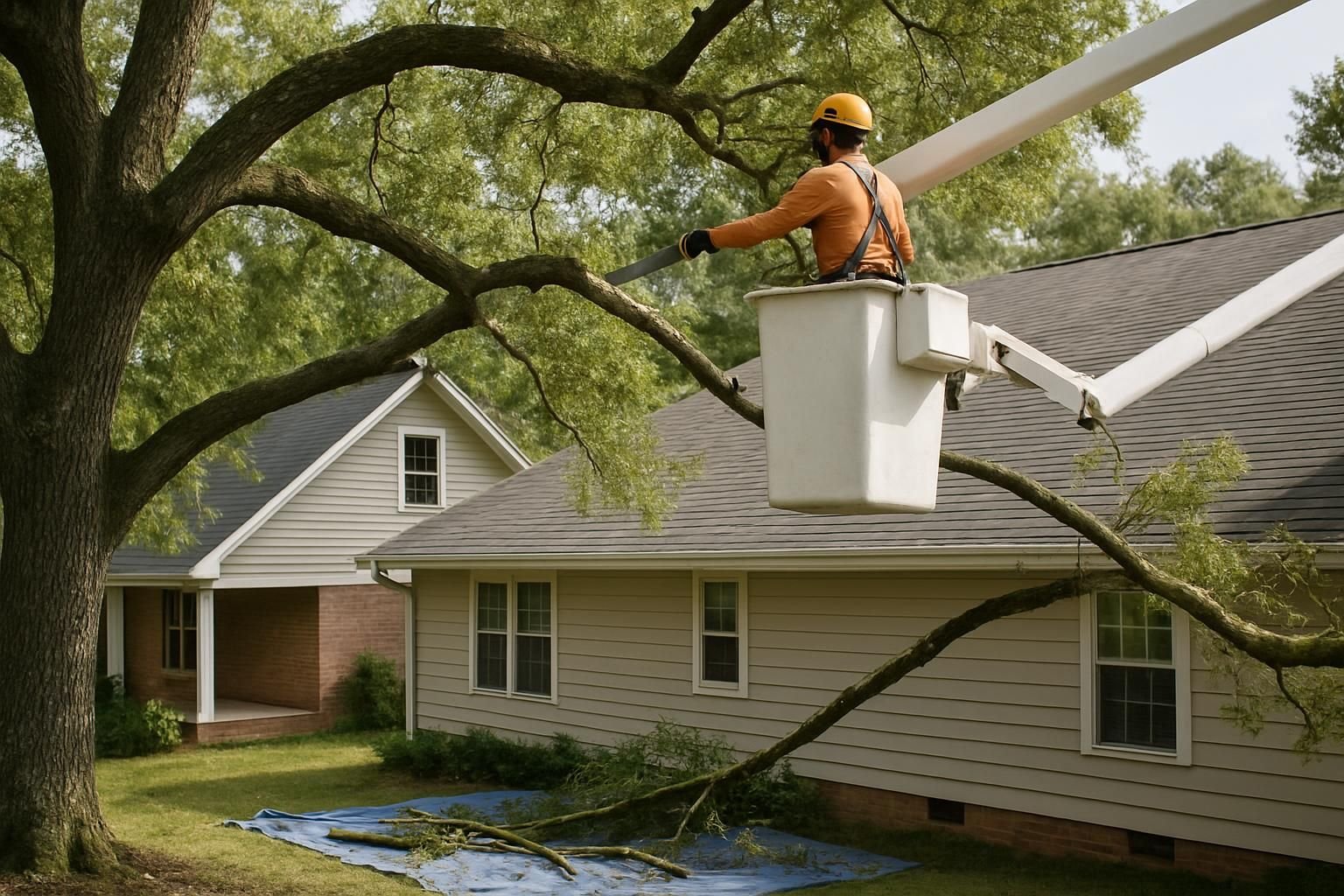
Tree Trimming & Pruning
Crown thinning, deadwood removal and clearance pruning that keeps trees healthy and roofs clear.
Learn more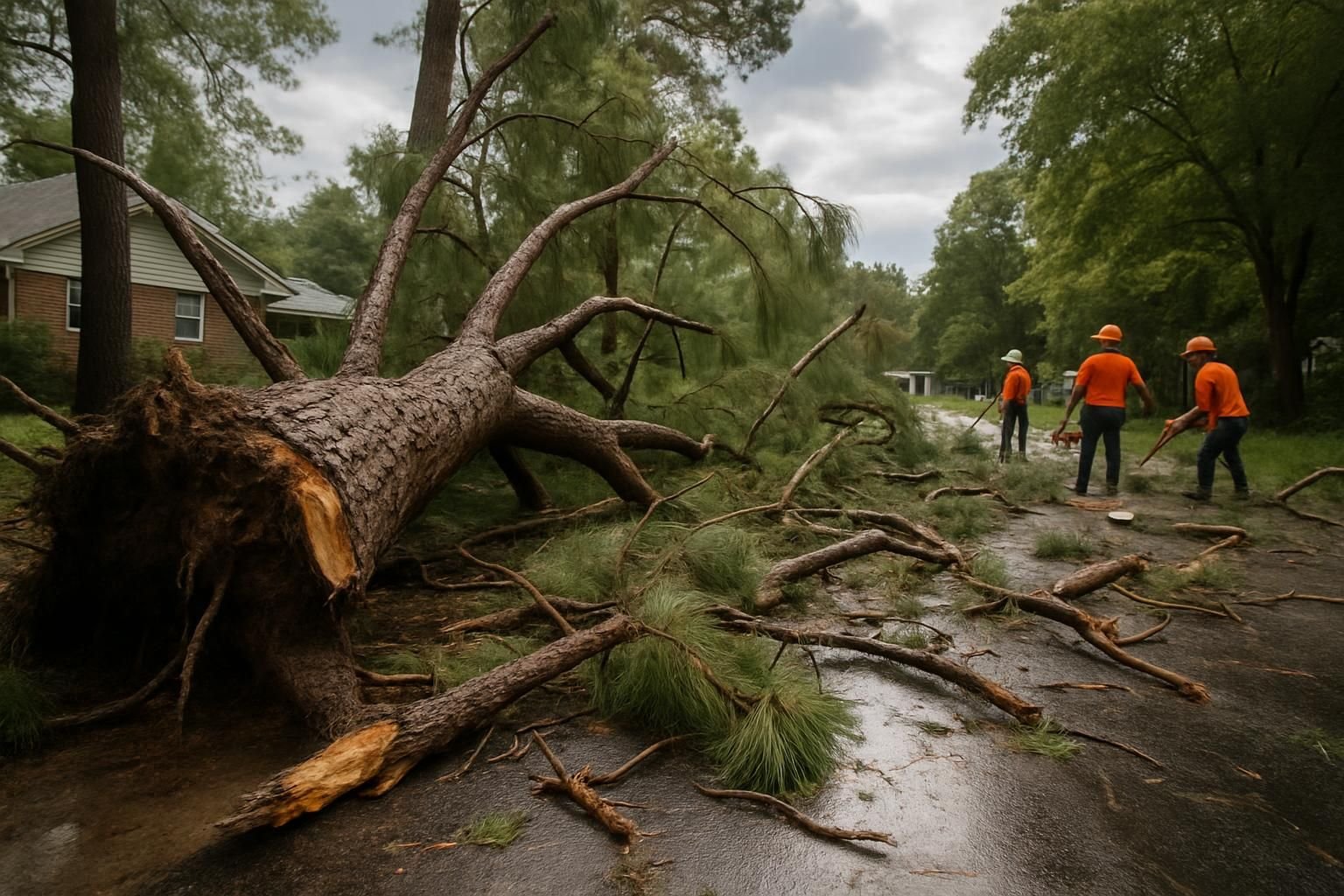
Emergency Storm Tree Removal
Fast help when a storm drops a tree on your roof, car, driveway or fence.
Learn more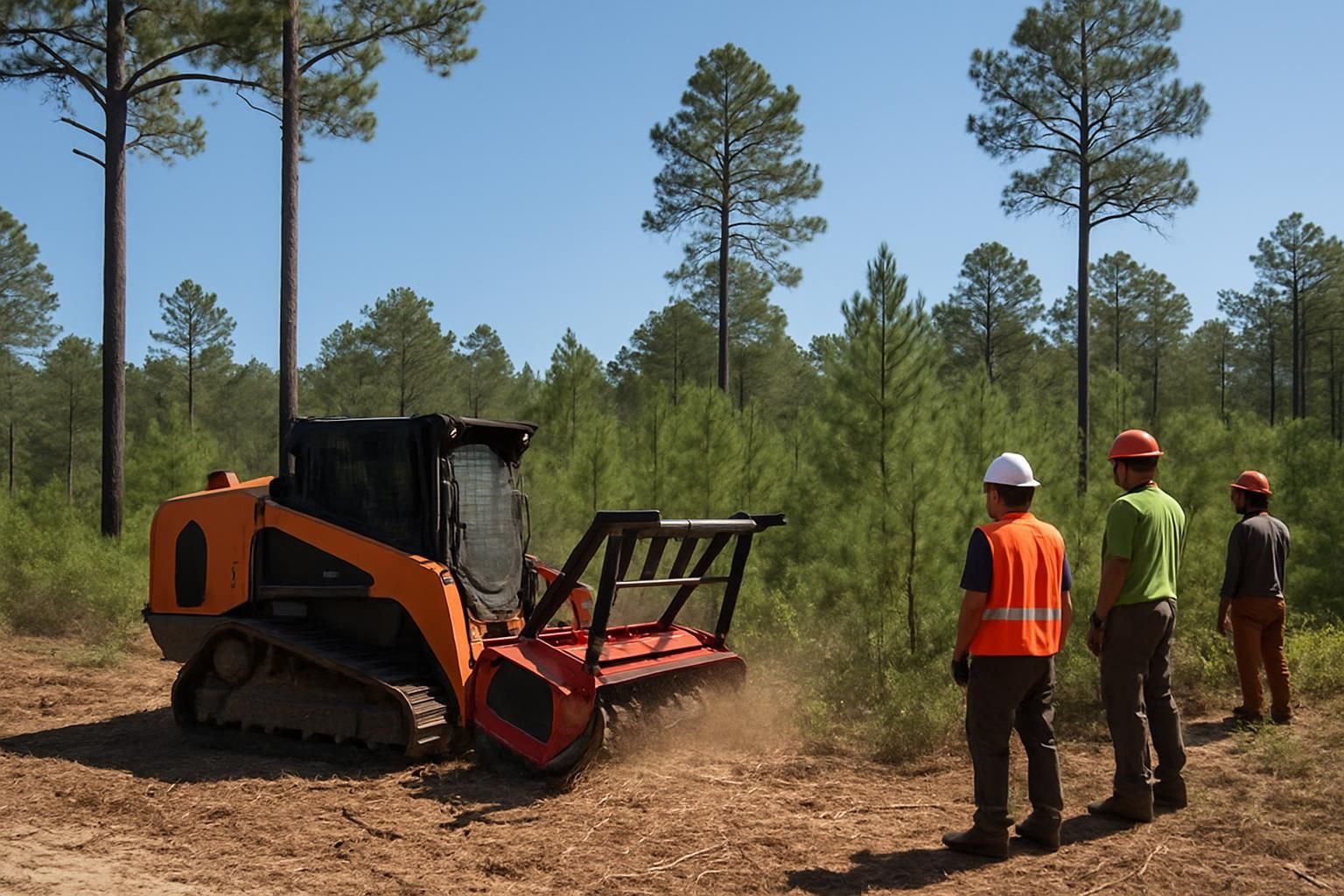
Land & Lot Clearing
Lot and brush clearing for new builds, fence lines, pastures and overgrown acreage.
Learn more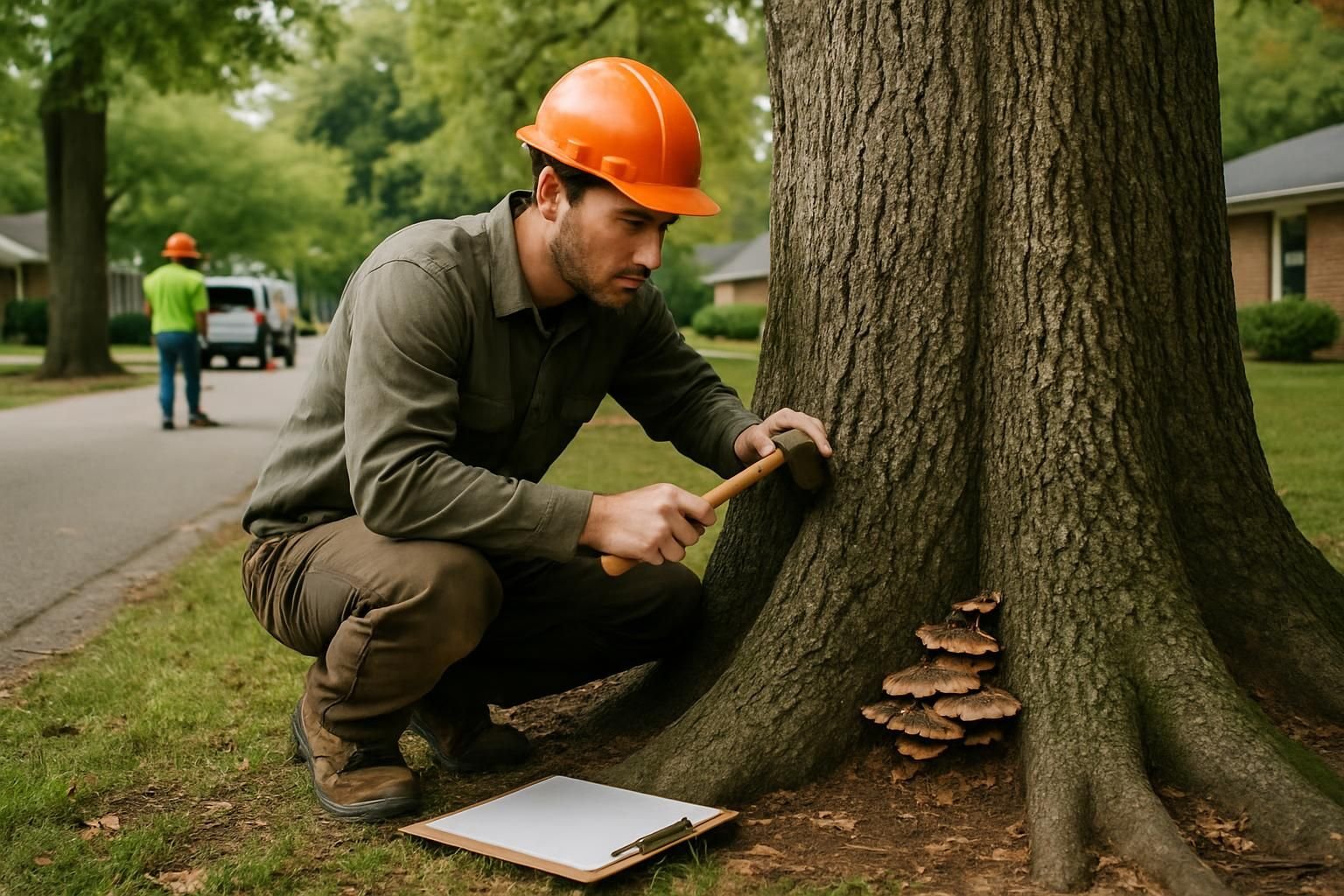
Arborist Tree Assessment
Get a tree’s health and risk checked before you decide to prune, treat or remove it.
Learn moreWhere we connect homeowners with pros
Serving all of Cumberland County
FAQ
Stump Grinding FAQ
How deep does stump grinding go?
Most crews grind about 6 to 12 inches below the soil surface, which is enough for grass, sod or a flower bed. If you plan to set a patio, fence post or new tree in the same spot, ask for a deeper grind and get it written on the estimate. Deeper grinding takes more time and may cost more.
Will the roots grow back after the stump is ground?
Pines like loblolly and longleaf do not resprout from roots, so a ground pine stump is done. Sweetgum, Bradford pear, red maple and some oaks can send up sprouts from remaining roots for a season or two. Cutting or mowing the sprouts as they appear usually wears the roots out.
How long until I can plant grass where a stump was?
You can lay topsoil and seed or sod right away once most of the grindings are removed and the hole is filled and tamped. Wood chips left mixed in the soil tie up nitrogen as they break down, so the patch may need extra fertilizer. Expect some settling over the first few months, especially in sandy yards.
Is stump grinding included when I have a tree removed?
Often it is not. Many tree companies quote removal and stump grinding as separate line items, and some subcontract the grinding. Ask each pro whether the stump is included, how deep they grind and whether they haul away the grindings.
Do I need my HOA’s permission to grind a stump?
Grinding a stump on your own lot rarely needs approval, but some HOAs have rules about removing trees, replanting or working in common areas. If the stump sits near a street, sidewalk or shared space, check with your HOA and the City of Fayetteville or your town before work starts.
Ready to compare stump grinding quotes?
Fill out the short form at the top of this page and local pros will reach out with free, no-obligation quotes.