Fayetteville & Cumberland County, NC
Arborist Tree Assessment in Fayetteville, NC
Not sure if that leaning pine or hollow-sounding oak is a real threat? We connect Cumberland County homeowners with local tree pros who can inspect it and give a clear answer.
- Free, no-obligation quotes
- Local Cumberland County pros
- Takes about a minute
Get Free Quotes for an Arborist Tree Assessment
Tell us about your trees and we’ll connect you with local tree pros who can schedule an inspection and send you a quote.
An arborist tree assessment answers a simple question: is this tree healthy and safe, or is it a problem waiting to happen? In Fayetteville, where tall pines and big water oaks often stand within falling distance of houses, cars and fences, an hour with a trained eye can save you from a costly mistake. That mistake could be removing a sound tree, or ignoring one that’s failing. Cumberland Tree Pros doesn’t do the work ourselves. We connect you with independent, locally owned tree companies that offer inspections across Cumberland County.
What an Arborist Tree Assessment Includes
An assessment is an inspection, not a cutting job. The arborist looks at the whole tree, from roots to crown, and at what it could hit if it failed. Most assessments cover:
- Root zone and soil: heaving soil, exposed or cut roots, mushrooms at the base, standing water and recent grading or trenching.
- Trunk: cracks, cavities, seams, oozing sap, loose bark, cankers and signs of internal decay.
- Branch structure: weak V-shaped unions, included bark, dead or hanging limbs and heavy overextended branches.
- Crown health: thinning, browning needles, early leaf drop and dieback at the top.
- Pests and disease: pitch tubes and boring dust from pine beetles, root rot symptoms and hollowing in oaks.
- Targets: your house, driveway, play areas, a neighbor’s roof and nearby power lines.
- Recommendations: leave it, monitor it, prune it, support it or remove it, ranked by urgency.
Some homeowners only need a verbal walk-through. Others need a written report for an HOA, insurance company, home sale or neighbor dispute. Say which one you need when you ask for quotes, because the price differs.
Signs You Should Get a Tree Assessed
- A tree has started leaning, or the lean has changed, especially after heavy rain.
- Soil or roots are lifting on one side of the trunk.
- A pine has turned yellow-green or reddish-brown, or has small popcorn-like resin blobs on the bark.
- Mushrooms or conks are growing at the base or on the trunk.
- A large oak sounds hollow, has a cavity, or drops big limbs on calm days.
- A long crack or split runs down the trunk or through a main fork.
- The tree survived a storm but lost large limbs or now looks lopsided.
- Construction, a new driveway or a septic repair cut through the root zone.
- You’re buying a home with large trees close to the house.
If a tree is actively cracking, has partly failed or is resting on a structure, skip the assessment and look at emergency storm tree removal in Fayetteville instead.
How a Professional Assessment Is Done
The process
- Conversation: The arborist asks what worries you, the tree’s history and any recent changes like storms, digging or new structures.
- Site walk: They look at the tree from a distance on all sides to judge lean, crown shape and what’s in the fall zone.
- Close inspection: They check the root flare, trunk and lower limbs by hand and eye.
- Testing if needed: Suspected decay may call for more than a visual check.
- Findings: You get a plain explanation of the risk level and options, and a written report if you requested one.
Equipment
Most assessments use simple tools, such as binoculars for the upper canopy, a mallet to sound the trunk for hollow spots, a probe or trowel for the root collar, and a diameter tape. For trees with suspected internal decay, some arborists use a resistance drill, which bores a very thin hole to measure wood density, or sonic tomography to map decay inside the trunk. A few will take a soil sample or a small tissue sample for lab diagnosis. Ask in advance whether any of these are included or cost extra.
Safety
Assessments are usually done from the ground, so they’re low-risk. A careful pro will keep you clear of any tree that looks unstable. They won’t climb or prune near energized lines. If branches are in or near power lines, the utility handles line clearance. That’s PWC for much of Fayetteville, and Duke Energy or an electric co-op such as Lumbee River EMC or South River EMC in other areas.
Fayetteville Factors That Affect Your Trees
Sandy soil vs. clay
Cumberland County sits on the edge of the Sandhills. West of town, toward Fort Bragg, Spring Lake and Raeford, soils are deep and sandy. They drain fast, so trees there get drought stress in summer, and some develop shallow root plates. Toward the Cape Fear River, in areas like Eastover and parts of Haymount, soils shift to heavier loam and clay that hold water. A waterlogged clay root zone invites root rot. A good assessor reads the soil as closely as the trunk.
Common local trees and their weak points
- Loblolly and longleaf pine: Southern pine beetle and Ips engraver beetles can kill a stressed pine fast. Tall pines also catch a lot of wind.
- Water oak: These are common, fast-growing and often hollow by middle age. They’re one of the most-assessed trees in Fayetteville yards.
- Willow and southern red oak: These are generally sturdier, but big limbs over roofs still need checking.
- Bradford pear: Weak branch unions make it split easily, often in its first big storm after reaching full size.
- Sweetgum, tulip poplar, red maple and pecan: All of these can drop large limbs, and pecans get heavy when loaded with nuts.
Storms
Hurricanes Matthew (2016) and Florence (2018) showed how saturated soil plus wind topples shallow-rooted pines and water oaks. Summer thunderstorms and the occasional ice storm bring down limbs every year. Late spring, before hurricane season, is a sensible time to get large trees near your home checked.
Tight lots and HOAs
Many neighborhoods in Lake Rim, Hope Mills and newer subdivisions have tall trees on small lots, so almost any failure hits something. Many HOAs also require documentation before a healthy-looking tree can be removed, and an assessment report is often the easiest way to provide it. Rules for trees in the public right-of-way, historic districts or new developments vary, so check with the City of Fayetteville or your town or county before acting. For off-post homes around Fort Bragg, the pros we connect you with can help. Trees in on-post family housing go through the installation housing office.
Local pros serve the whole county, including tree service in Hope Mills and tree service in Spring Lake.
Arborist Tree Assessment Cost in Fayetteville
The prices below are estimates for the Fayetteville area. They vary with tree size, access, hazards and the level of detail you need. Real quotes decide the price.
| Service | Estimated Cost | Notes |
|---|---|---|
| Basic visual assessment (1-2 trees) | $100-$200 | Walk-through with verbal findings |
| Multi-tree or whole-property assessment | $200-$350 | More trees, more time on site |
| Written risk report | Toward the top of the $100-$350 range or added on | Often needed for HOAs, insurance or a home sale |
| Advanced testing (resistance drill, tomography, lab samples) | Quoted separately | Only when decay or disease is suspected |
| Follow-up pruning (if recommended) | $250-$900 per tree; large oaks $800-$1,800+ | Separate job |
| Follow-up removal (if recommended) | $250-$3,000+; leaning over a house $1,800-$5,000+ | Separate job, depends on size and rigging |
Main price drivers
- Number and size of trees being inspected
- Verbal advice vs. a written, signed report
- Diagnostic testing beyond a visual check
- Travel distance, for example out to Stedman or Raeford
- Urgency, such as same-day inspection after a storm
Some companies credit the assessment fee toward any work you hire them for. Ask about that. For broader pricing, see our Fayetteville tree service cost guide.
How to Choose a Pro and What to Ask
North Carolina has no statewide license for tree service companies, so you have to check qualifications yourself. ISA Certified Arborist is a voluntary credential, and the ISA Tree Risk Assessment Qualification (TRAQ) is a further voluntary one focused on risk. Neither is required, but both show training. Ask:
- Who will do the assessment, and are they an ISA Certified Arborist? What’s the certification number?
- Can you show proof of general liability and workers’ compensation insurance?
- Is a written report included, and what will it contain?
- Does the fee cover testing, or is that extra?
- Do you credit the fee toward recommended work?
- If you recommend removal, what options short of removal did you consider?
One caution: a company that assesses and also removes trees may have an incentive to recommend removal. That doesn’t make them dishonest, but if you’re told a large, healthy-looking tree must come down, a second opinion is reasonable. Comparing more than one local pro is the easiest way to get it. You can request free quotes from tree companies we work with.
What Happens on Assessment Day
- Arrival: The arborist checks in and confirms which trees you’re concerned about. Unlock gates and move cars from under the trees if you can.
- Inspection: Expect 30 minutes to an hour for one or two trees, and longer for a full property or testing.
- Walk-through: Good arborists show you what they found, like the cavity, the fungus or the root damage, so you understand the reasoning.
- Recommendations: You’ll hear the options, the urgency and, often, a quote for any follow-up work.
- Report: If you ordered one, it usually arrives within a few days.
Cleanup
An assessment leaves almost no mess. At most you’ll see a small soil hole near the root flare or a pencil-thin drill hole in the trunk from decay testing. If the arborist recommends work, that’s a separate job with its own cleanup terms, including tree trimming and pruning in Fayetteville for weak limbs and tree removal in Fayetteville for trees that can’t be saved. Get those terms in writing: haul-away, wood left or removed, and whether stump grinding is included.
Ready to find out what’s going on with your tree? Get free quotes for an arborist tree assessment and compare options from local tree pros.
Latest arborist tree assessment guides
-
Best Time to Trim Trees in North Carolina (Month by Month)
Wondering about the best time to trim trees in North Carolina? Our month-by-month Fayetteville guide covers dormant pruning, crepe myrtles,…
More services
Other tree services in Fayetteville
Tree Removal
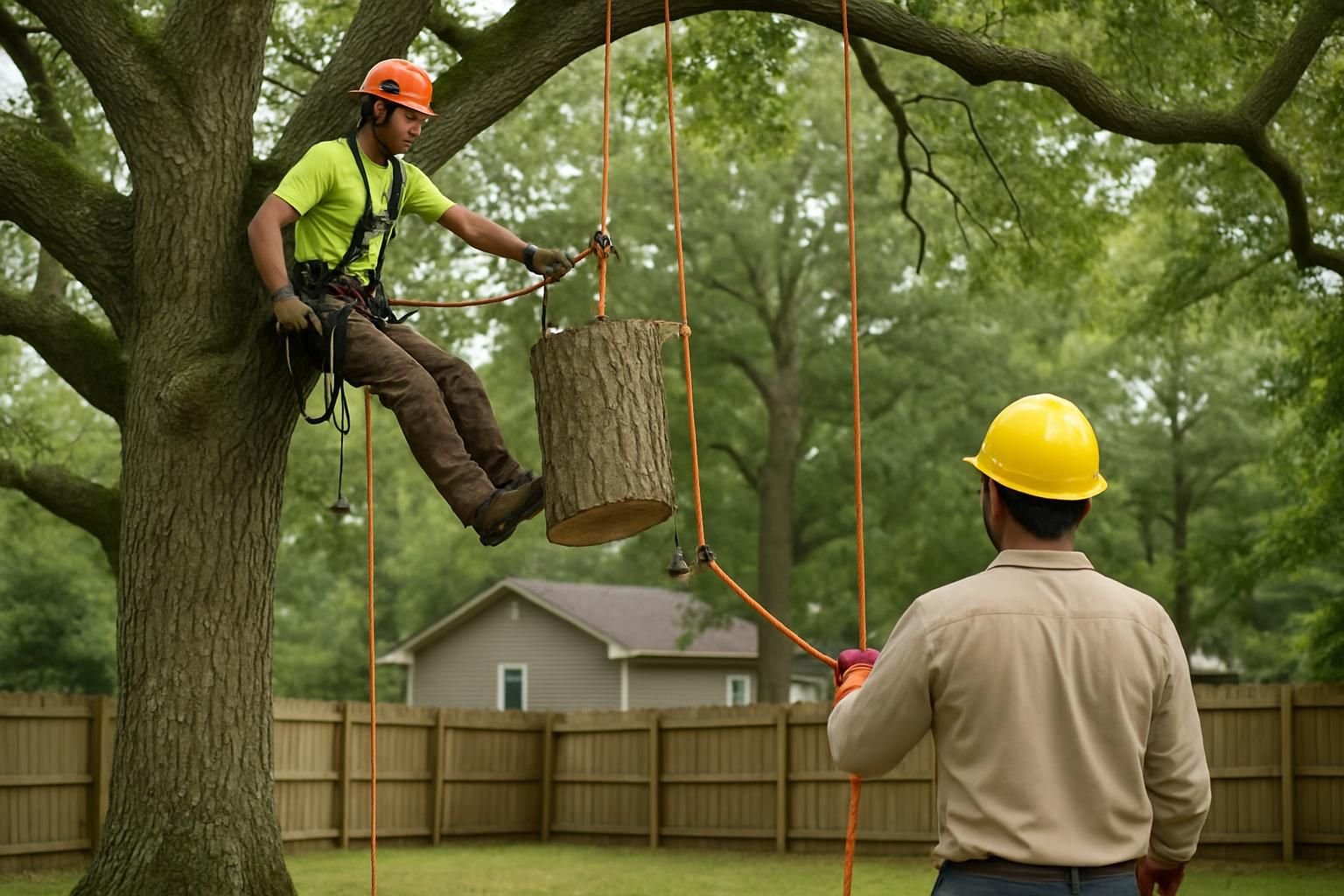
Safe removal of dead, leaning or unwanted trees, including tight spots near homes and power lines.
Learn more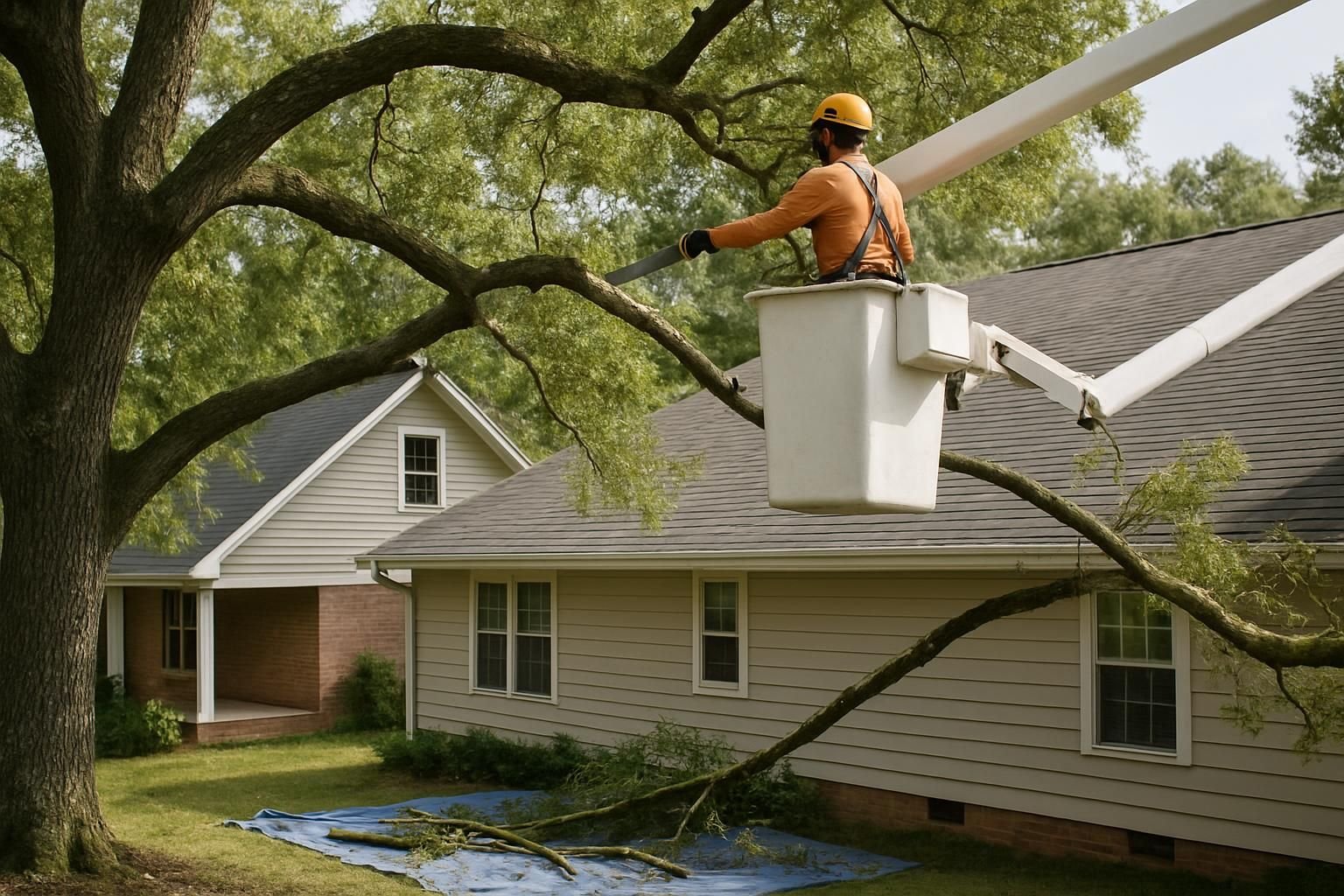
Tree Trimming & Pruning
Crown thinning, deadwood removal and clearance pruning that keeps trees healthy and roofs clear.
Learn more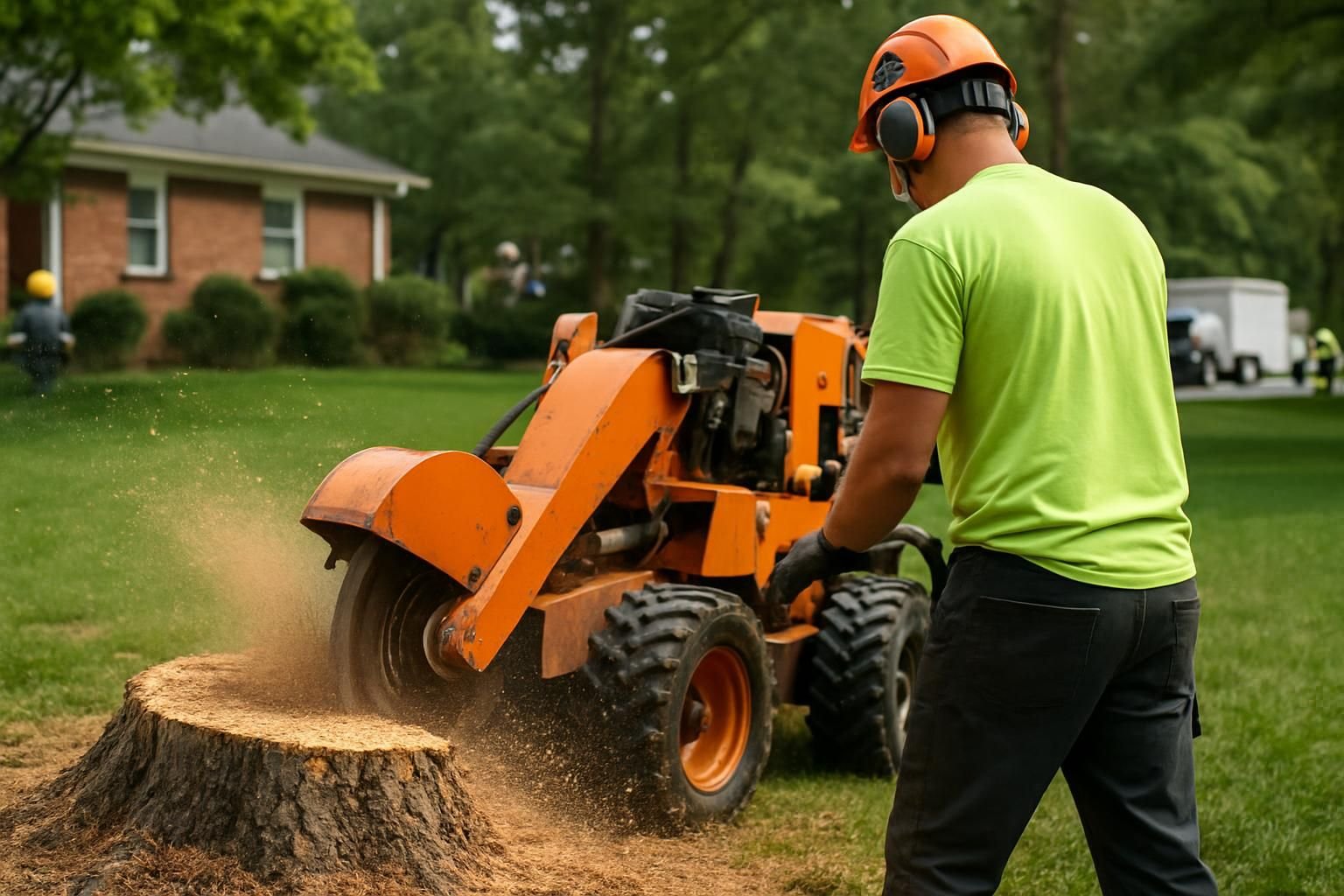
Stump Grinding
Grind stumps below grade so you can replant, reseed, pave or build.
Learn more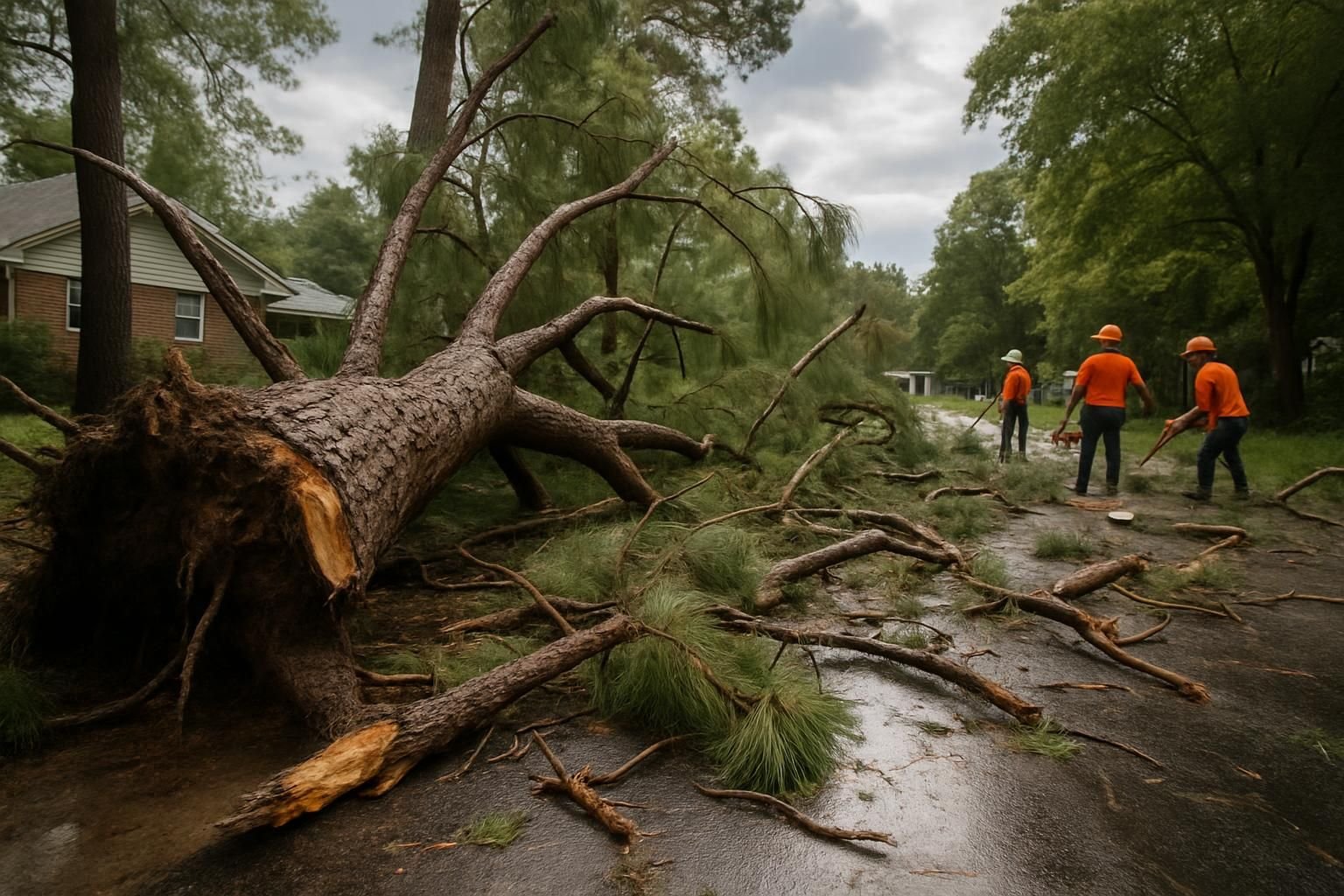
Emergency Storm Tree Removal
Fast help when a storm drops a tree on your roof, car, driveway or fence.
Learn more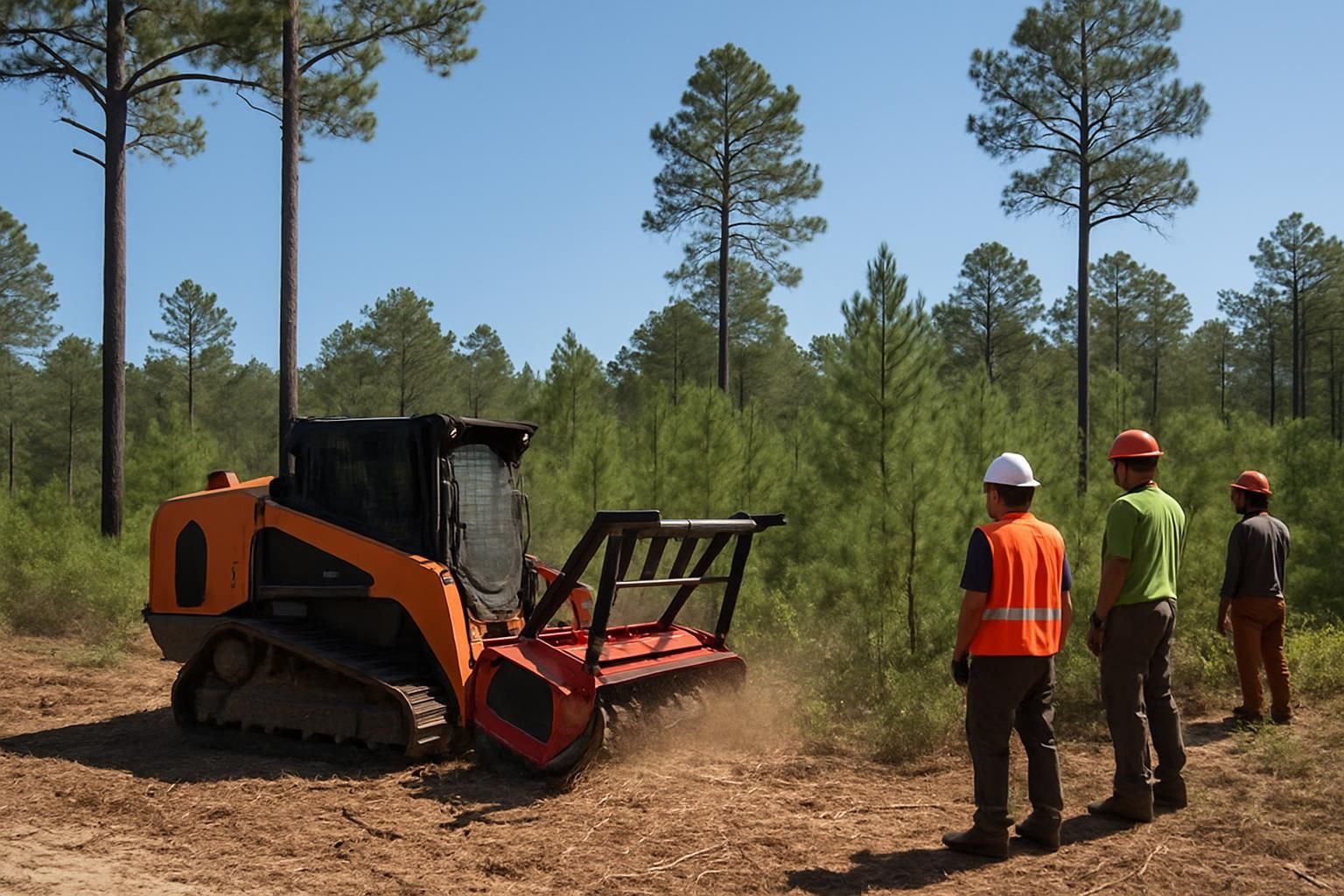
Land & Lot Clearing
Lot and brush clearing for new builds, fence lines, pastures and overgrown acreage.
Learn moreWhere we connect homeowners with pros
Serving all of Cumberland County
FAQ
Arborist Tree Assessment FAQ
How much does an arborist tree assessment cost in Fayetteville?
A typical assessment in the Fayetteville area runs about $100 to $350. The price depends on how many trees are inspected, whether you need a written report, and whether advanced testing like resistance drilling is used. These are estimates, and the quote you receive from a local pro decides the final price.
Is a certified arborist required to assess my tree in North Carolina?
No. North Carolina has no statewide license for tree service companies, and ISA Certified Arborist is a voluntary credential. Many homeowners still prefer a certified arborist for risk assessments, especially when an insurance claim, HOA, or neighbor dispute is involved. Ask for the certification number so you can verify it.
Will the arborist tell me the tree has to come down?
Not necessarily. A good assessment may recommend removal, pruning, cabling, monitoring, or simply leaving the tree alone. If you get a removal recommendation, ask what specifically drove that conclusion and whether any lower-cost options were considered.
Can an arborist assess a tree near power lines?
An arborist can look at a tree near lines from the ground and tell you what they see, but no general tree crew should work near energized lines. If limbs are touching or close to service lines, contact your utility, such as PWC, Duke Energy, or your electric co-op, which handles line clearance.
How long does a tree assessment take?
A visual check of one or two trees usually takes 30 minutes to an hour. A whole-property review or an assessment with drilling or soil testing can take longer, and a written report may follow within a few days.
Ready to compare arborist tree assessment quotes?
Fill out the short form at the top of this page and local pros will reach out with free, no-obligation quotes.