Fayetteville & Cumberland County, NC
Land & Lot Clearing in Fayetteville, NC
Overgrown acreage, a wooded lot you want to build on, or a backyard swallowed by brush? We connect you with local tree pros who clear land across Fayetteville and Cumberland County.
- Free, no-obligation quotes
- Local Cumberland County pros
- Takes about a minute
Get Free Land Clearing Quotes in Fayetteville
Tell us about your lot and we will pass your request to local tree pros who can contact you with quotes.
Land and lot clearing in Fayetteville, NC covers everything from cutting back a few years of overgrowth behind your fence to taking a wooded acre down to bare ground so you can build. Cumberland Tree Pros is a free referral service, not a tree company. We connect you with independent, locally owned tree companies that do this work, so you can compare quotes and pick the crew that fits your project.
What Land Clearing Includes
“Land clearing” means different things to different crews, so it helps to know the main pieces. A job can include any mix of these:
- Brush clearing: removing briars, vines, privet, small saplings and undergrowth.
- Selective clearing: taking out certain trees while keeping healthy, desirable ones such as a mature longleaf pine or a shade oak.
- Full tree removal: cutting down every tree in a defined area. For individual large trees near structures, see our page on tree removal in Fayetteville.
- Forestry mulching: grinding brush and small trees in place into a layer of mulch.
- Grubbing: pulling stumps and roots out of the ground so the soil can be graded or built on.
- Debris handling: chipping, hauling off or cutting logs for firewood.
Signs your property needs clearing
- You are planning to build a house, garage, shed, pool or driveway on wooded land.
- Brush and saplings have taken over a backyard, fence line or back acreage.
- Dead pines from beetle damage are standing on the property.
- Storm debris from fallen trees is still piled up months later.
- You want to open up a lot for a garden, pasture or better sightlines.
- Overgrowth is crowding your house, attracting pests or creating a fire risk.
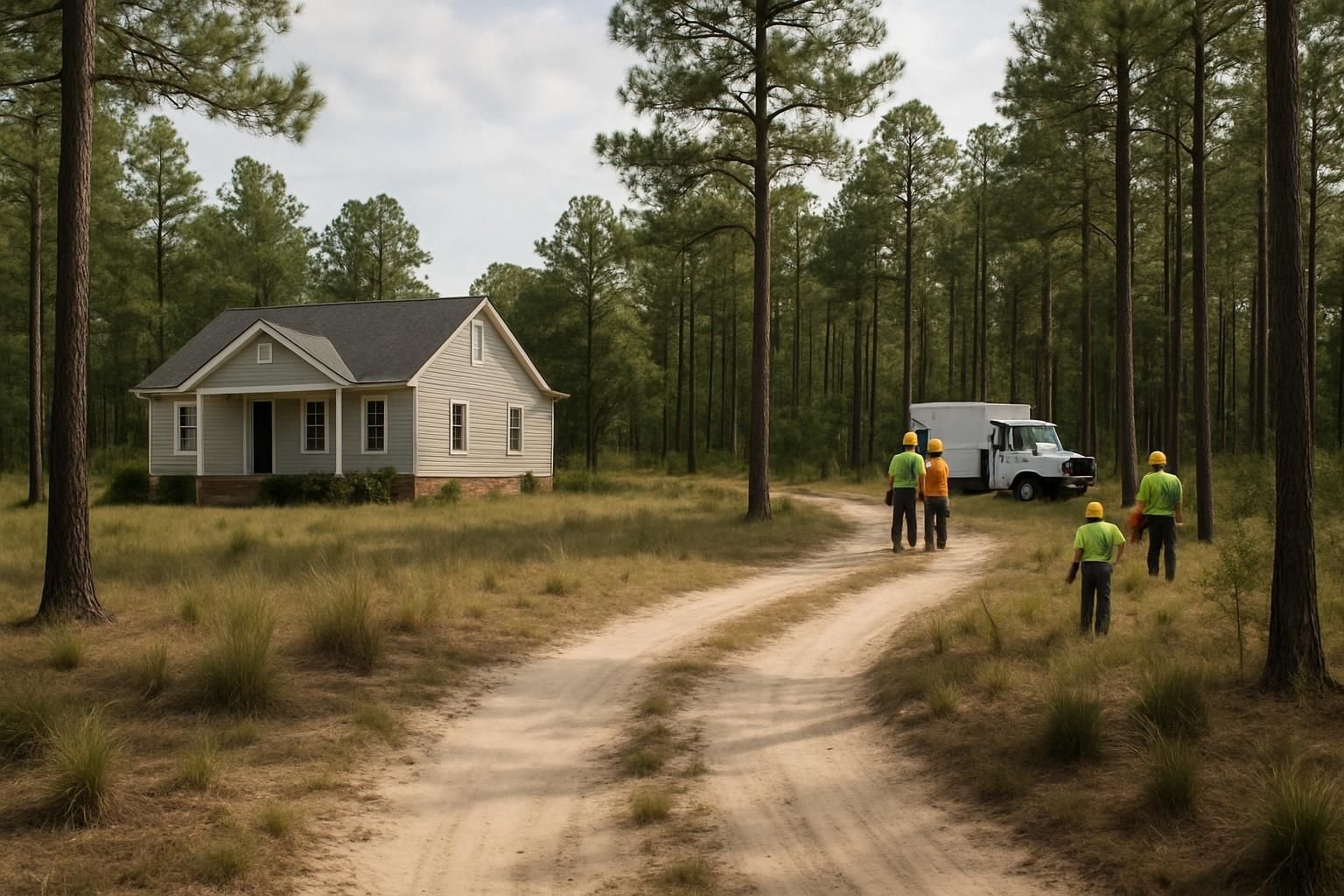
How a Professional Crew Clears Land
Every lot is different, but most clearing jobs follow a similar process.
- Walk the property. The crew looks at the trees, brush density, slope, soil, access points and anything that must be protected, such as wells, septic fields, fences and trees you want to keep.
- Mark boundaries and keepers. Property lines and trees that stay are flagged. If you are not sure where your lines are, a survey before clearing can prevent disputes with neighbors.
- Locate utilities. Underground lines should be marked before any digging or stump pulling. North Carolina’s 811 call-before-you-dig service handles this.
- Clear brush and small trees. This is usually done with a forestry mulcher or a skid steer with a brush cutter.
- Fell larger trees. Trees are cut in sections or dropped in a planned direction, depending on how much open space there is.
- Handle stumps. Stumps are either ground below grade or pulled out with an excavator.
- Process debris. Material is chipped, mulched, hauled away or stacked as firewood.
- Rough grade if needed. Some crews will smooth the surface; finish grading is often a separate contractor.
Common equipment
- Chainsaws for felling and cutting
- Forestry mulchers (on skid steers or tracked machines)
- Excavators for pulling stumps and moving logs
- Wood chippers for limbs and brush
- Stump grinders for stumps that stay in the ground
- Dump trucks or trailers for hauling
Safety on a clearing job
Clearing involves heavy machines, falling trees and flying debris. Good crews keep people and pets well away from the work zone, wear protective gear and plan each fall. If any trees are near power lines, the crew should not work near energized lines. Line clearance is handled by the utility: PWC serves much of Fayetteville, while Duke Energy and electric co-ops such as Lumbee River EMC and South River EMC serve other parts of the area. Contact your utility before any work near lines.
Fayetteville Factors That Affect Land Clearing
Local trees
Most wooded lots around Fayetteville are a mix of loblolly and longleaf pine, water oak, willow oak, southern red oak, sweetgum, red maple and tulip poplar, with dogwood and invasive undergrowth beneath. Pines are tall but relatively quick to fell and process. Big oaks have heavy wood, wide canopies and large root systems, so they take more time and cost more. Sweetgum sprouts back aggressively from roots if stumps are not dealt with.
Sandy vs. clay soil
Cumberland County sits at the edge of the Sandhills. On the west side, toward Spring Lake and the Fort Bragg area, soils are deep and sandy. Machines move well on sand, but it can be loose and erodes easily once vegetation is gone. Toward the Cape Fear River and east toward Eastover, soils are heavier loam and clay. Clay holds water, gets rutted by heavy equipment after rain and makes stump pulling messier. Ask how the crew plans to handle erosion and ruts on your soil type.
Storms and beetles
Hurricanes and tropical storms, including Matthew in 2016 and Florence in 2018, saturated soils here and toppled shallow-rooted pines and water oaks. Many back lots still have old blowdowns tangled in the brush. Southern pine beetle and Ips engraver beetles also leave standing dead pines, and hollow water oaks are common. Damaged or dead trees can break unpredictably during cutting, which adds time and risk. If you are dealing with fresh storm damage, our page on emergency storm tree removal covers that situation.
Tight lots and access
Older neighborhoods like Haymount and many subdivisions have small lots with fences, sheds and neighboring homes close by. Large mulchers and excavators may not fit through a gate, which means more hand work and higher cost. Rural lots in Stedman, Gray’s Creek and out toward Raeford usually have better access but more acreage and denser growth.
HOAs and local rules
If you live in an HOA community such as parts of Lake Rim or Hope Mills, check your covenants before removing trees. Many HOAs require approval or limit removal of healthy trees. Rules for trees in the public right-of-way, in historic districts or on new development also vary, so check with the City of Fayetteville or your town or county before clearing.
Land Clearing Costs in Fayetteville
These are estimates for the Fayetteville area. Actual prices vary with tree size, access, hazards and how much cleanup you want. Real quotes from local pros are what decide your price.
| Job | Typical estimate | Notes |
|---|---|---|
| Light brush and small trees | About $1,500-$3,000 per acre | Undergrowth, saplings, a few small trees |
| Moderate brush and small trees | About $3,000-$6,000 per acre | Denser growth, more trees, some stumps |
| Heavily wooded lot | Above $6,000 per acre | Mature pines and oaks; priced by quote |
| Individual large tree (60-80+ ft) | $1,200-$3,000+ | When a few big trees need removal |
| Tree leaning over a house (rigging or crane) | $1,800-$5,000+ | Common with tall pines near structures |
| Stump grinding | $100-$400 per stump | Often about $3-$5 per inch of diameter, $100-$150 minimums |
| Arborist assessment before clearing | $100-$350 | Helps decide which trees to keep |
Main price drivers
- Density: how much brush and how many trees per acre.
- Tree size and species: large oaks cost more than young pines.
- Stumps: leaving, grinding or pulling them changes the price a lot.
- Access: gates, fences, slopes and soft ground limit equipment.
- Hazards: dead trees, storm tangles, nearby houses or power lines.
- Debris: mulching in place is usually cheaper than hauling everything off.
- Selective vs. full clearing: working around keeper trees takes more care.
For more detail on pricing across all tree work, see our Fayetteville tree service cost guide.
How to Choose a Land Clearing Pro
North Carolina has no statewide license for tree service companies, so it is up to you to check out who you hire. ISA Certified Arborist is a voluntary credential that shows tree knowledge, which helps on selective clearing. Questions worth asking:
- Can you show proof of general liability and workers’ compensation insurance?
- Will I get a written estimate that spells out exactly what is included?
- Does the price include stumps? Ground or pulled?
- What happens to debris: mulched on site, hauled away or left in piles?
- What equipment will you bring, and will it fit through my access?
- How will you protect my driveway, lawn, septic field and keeper trees?
- How do you handle ruts and erosion, especially after rain?
- Have you cleared lots like mine in this area?
Get more than one quote. Scope differences matter more than the bottom-line number, so compare line by line. When you are ready, request free quotes from local tree pros.
What Happens on Job Day
Before the crew arrives, move vehicles, outdoor furniture and anything else out of the work area. Keep kids and pets inside. Let neighbors know there will be noise and equipment.
On the day, the crew typically walks the site with you to confirm boundaries and keeper trees, then starts with brush and small growth before felling larger trees. Expect loud machinery and a fair amount of wood chips in the air. Larger jobs may run several days, and rain can pause work if the ground gets too soft.
Cleanup and what you are left with
What the lot looks like afterward depends on what you agreed to:
- Mulched clearing: a layer of wood chips over the ground, with stumps cut low.
- Cleared and hauled: bare ground, possibly with stumps still in place.
- Grubbed: stumps and roots removed, holes filled and surface roughly leveled.
If stumps are left, you can handle them later with stump grinding in Fayetteville. Seed or straw bare soil soon, especially on sandy ground, to limit erosion.
Whether you have a backyard in Spring Lake or acreage near the Spring Lake and Fort Bragg area, the right crew makes a big difference. Tell us about your lot and we will connect you with local tree pros who can quote the job.
Latest land and lot clearing guides
-

Whose Tree Is It? Property Line and Neighbor Tree Rules in North Carolina
Who is responsible for a tree on the property line in North Carolina? Learn how trunk location, trimming rights, liability…
-
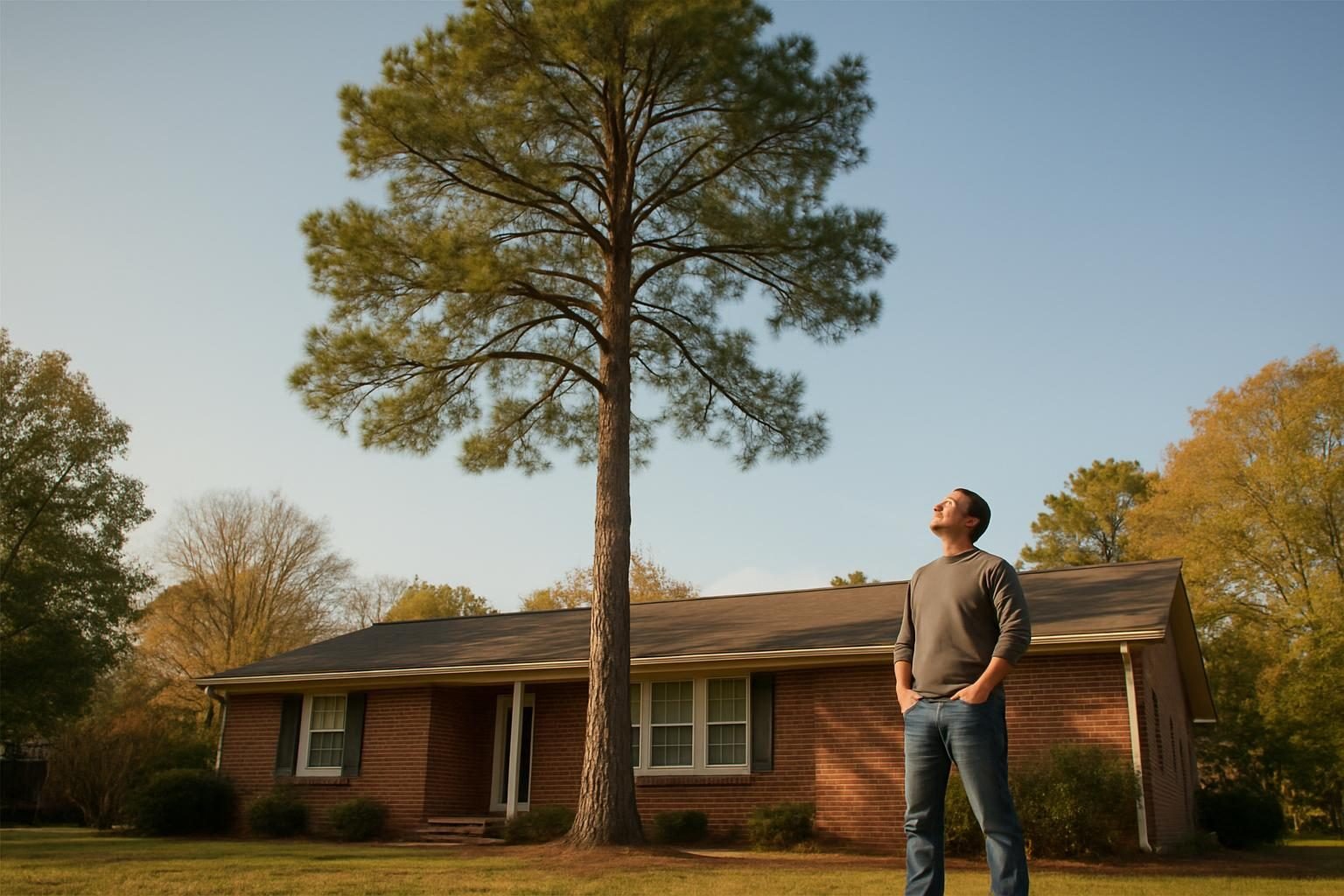
When Should You Remove a Pine Tree Near Your House?
Not every pine near your house has to go. Learn the warning signs, distance rules of thumb and when to…
-
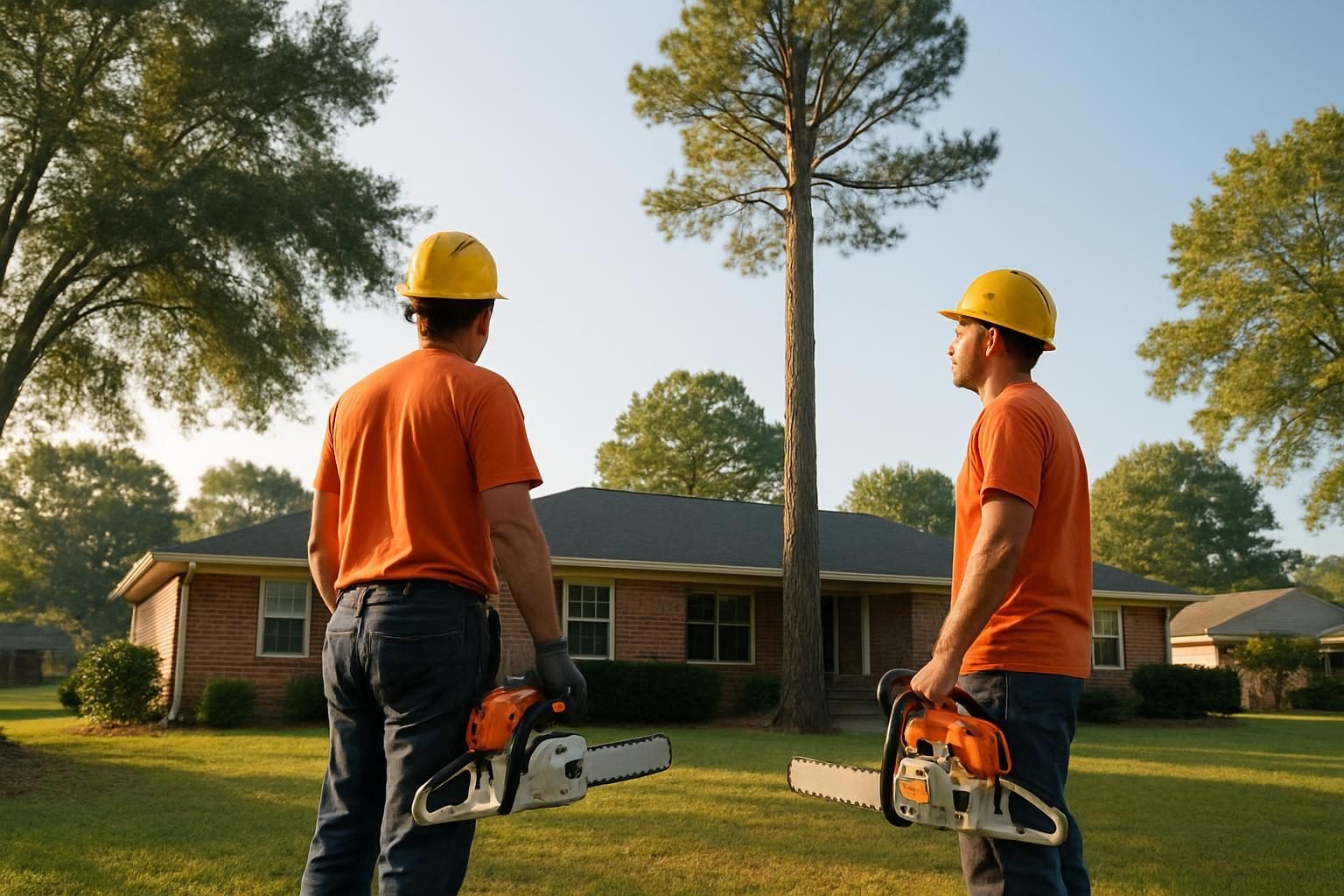
Do You Need a Permit to Remove a Tree in Fayetteville, NC?
Do you need a permit to remove a tree in Fayetteville, NC? Learn when rules may apply and how to…
More services
Other tree services in Fayetteville
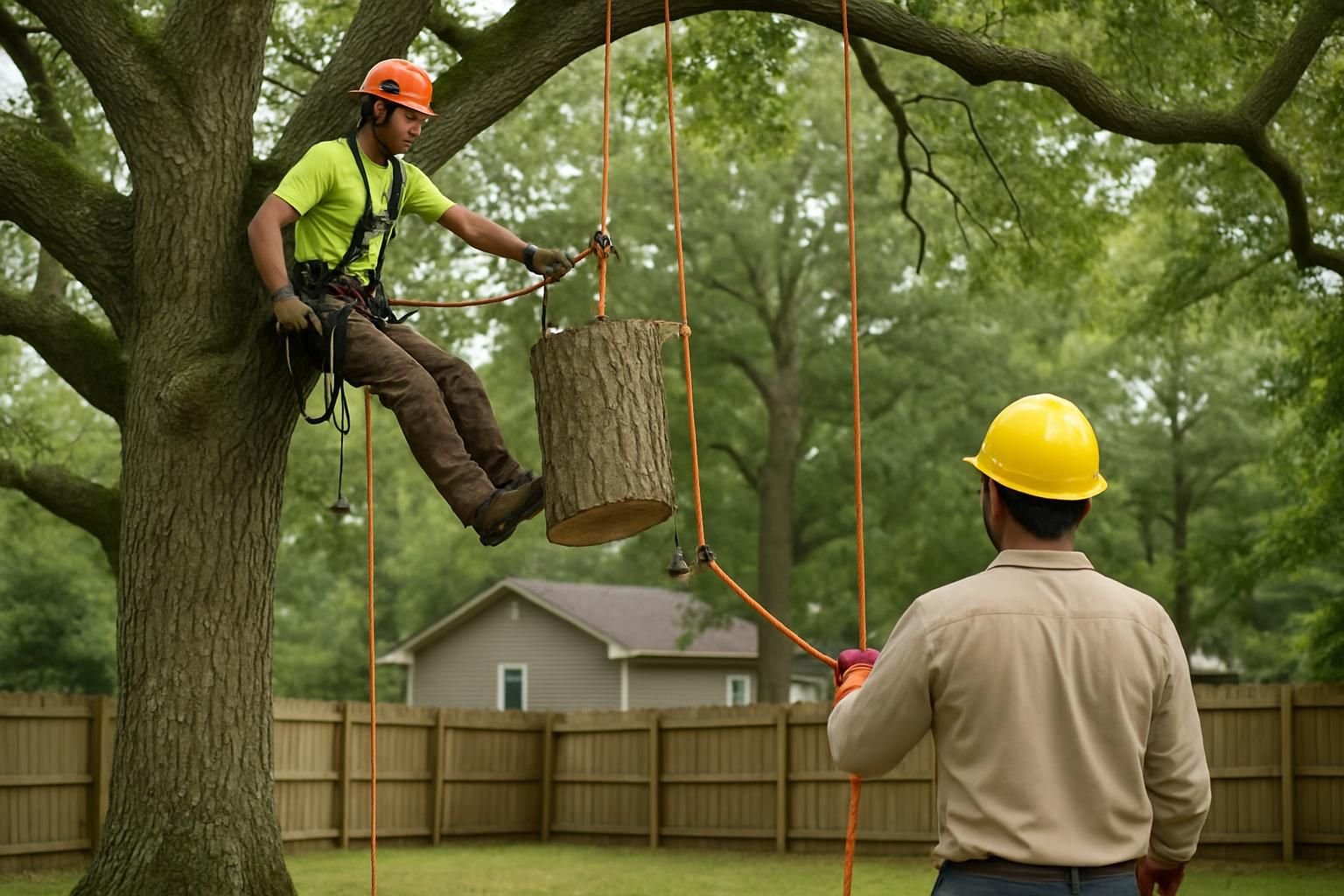
Tree Removal
Safe removal of dead, leaning or unwanted trees, including tight spots near homes and power lines.
Learn more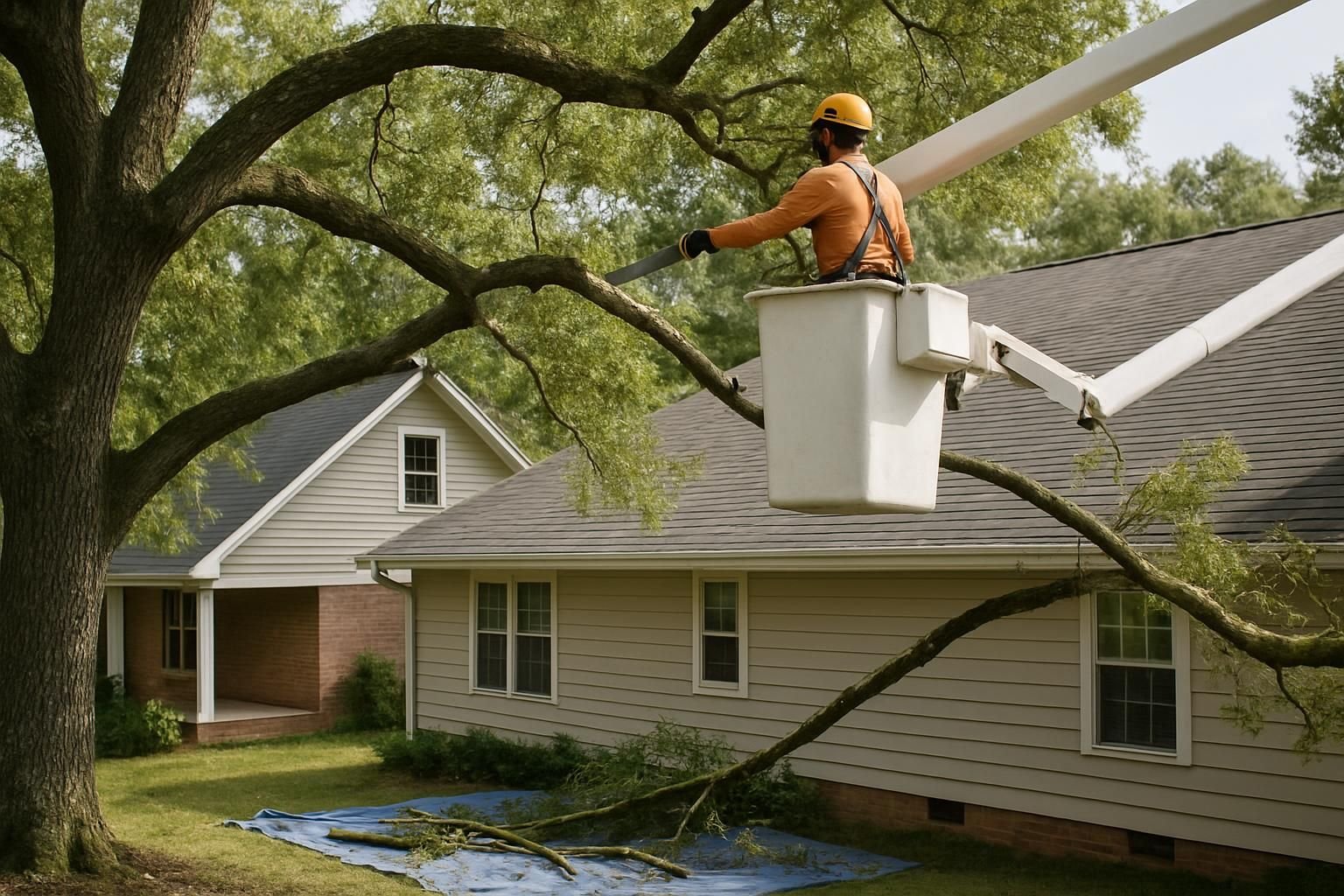
Tree Trimming & Pruning
Crown thinning, deadwood removal and clearance pruning that keeps trees healthy and roofs clear.
Learn more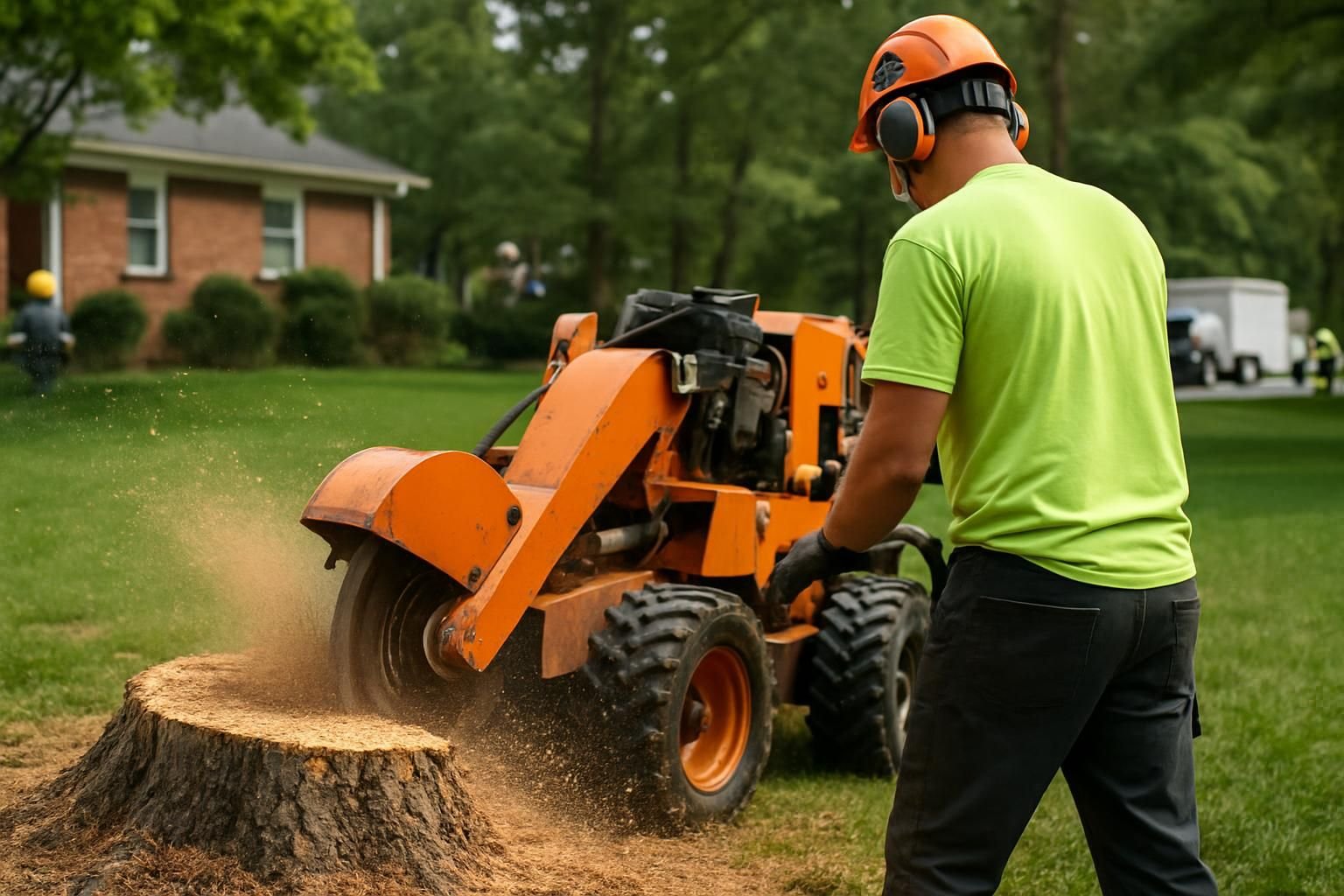
Stump Grinding
Grind stumps below grade so you can replant, reseed, pave or build.
Learn more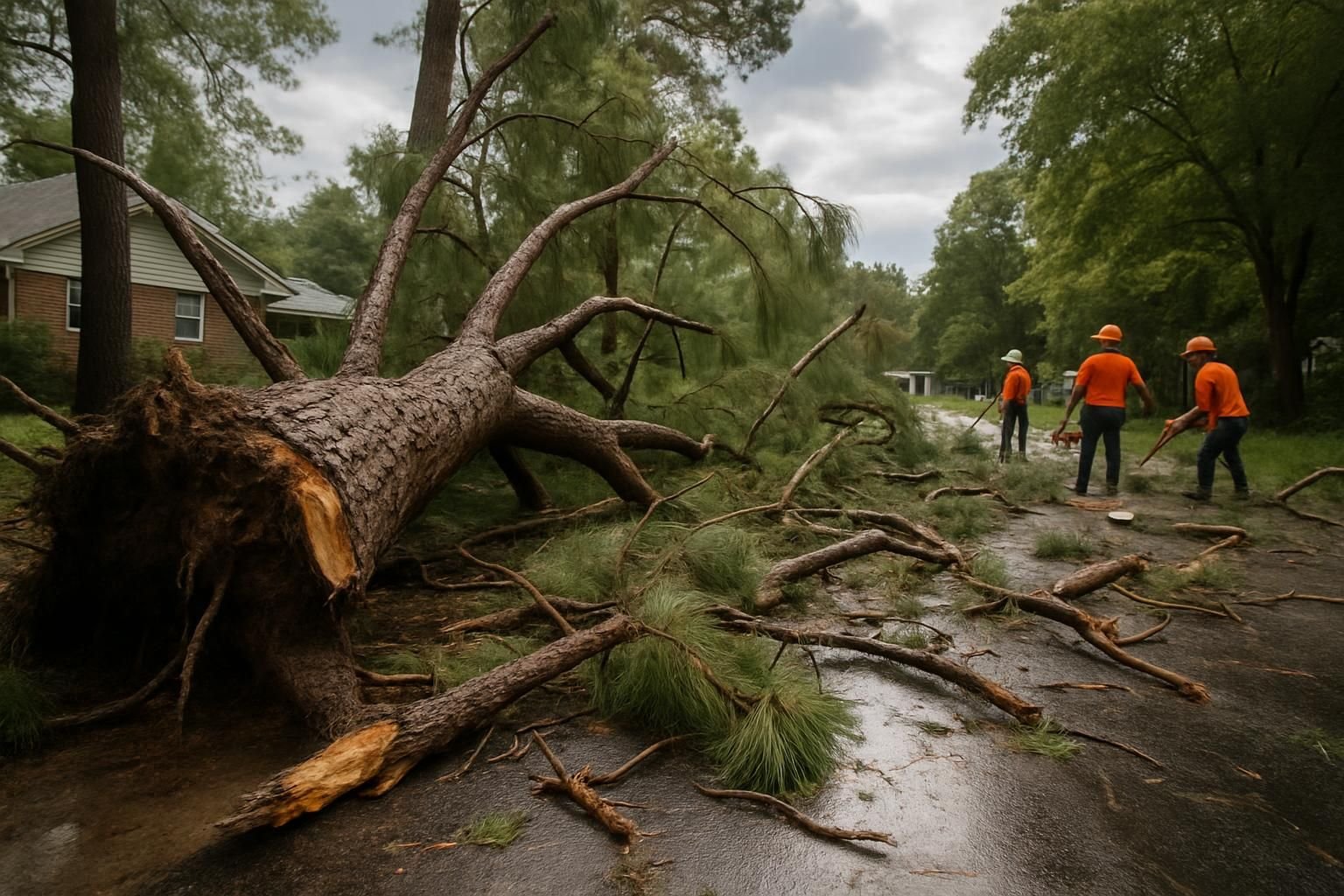
Emergency Storm Tree Removal
Fast help when a storm drops a tree on your roof, car, driveway or fence.
Learn more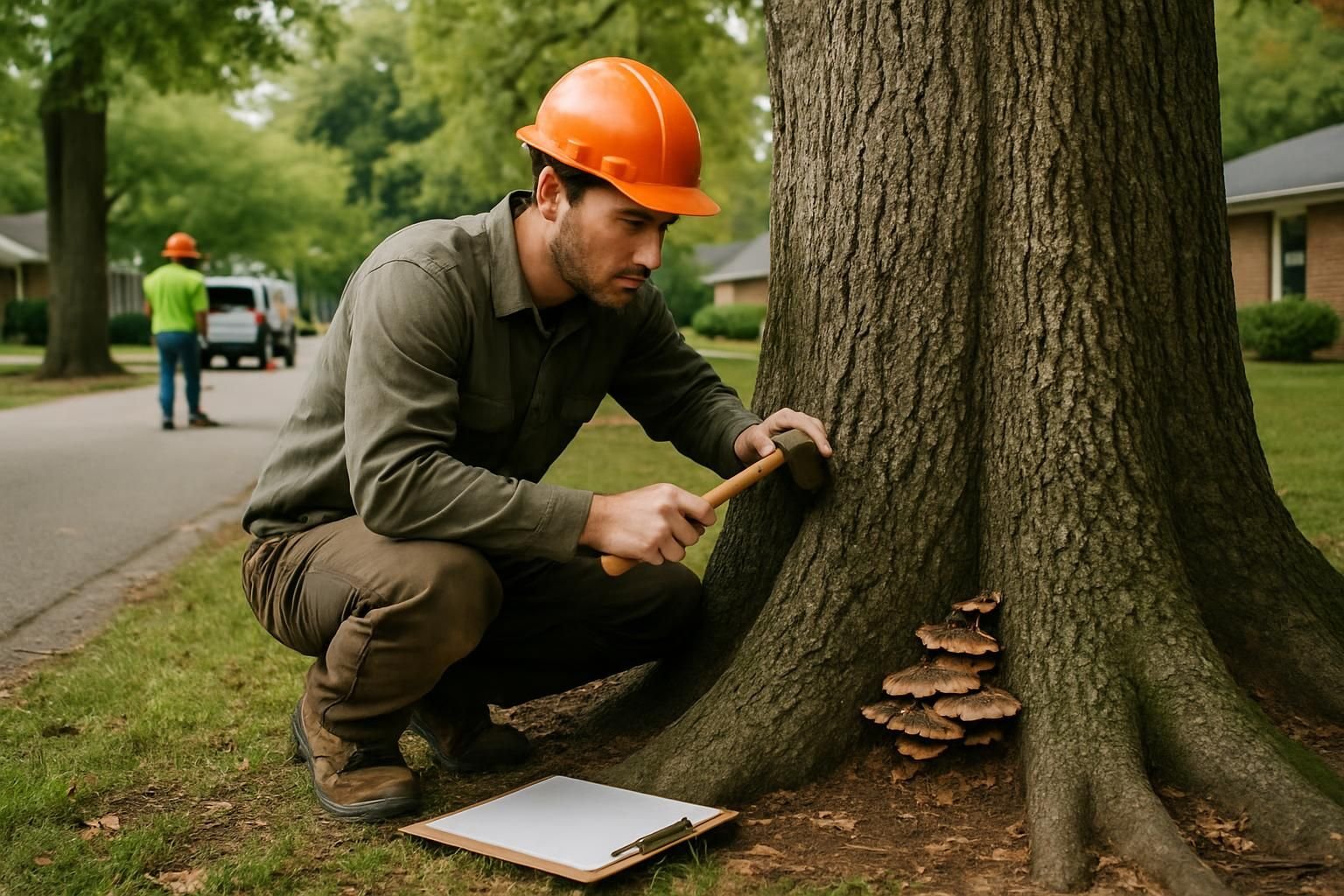
Arborist Tree Assessment
Get a tree’s health and risk checked before you decide to prune, treat or remove it.
Learn moreWhere we connect homeowners with pros
Serving all of Cumberland County
FAQ
Land & Lot Clearing FAQ
Do I need a permit to clear land in Fayetteville?
It depends on where the property is, how much land you disturb and what you plan to build. Larger clearing jobs, lots near streams or wetlands, historic districts and new development can all have extra requirements. Check with the City of Fayetteville, your town or Cumberland County before work starts, and ask the pro you hire whether they have handled permits for similar jobs.
How long does it take to clear a lot?
A small residential lot with light brush can often be cleared in a day. A wooded acre with mature pines and oaks may take several days, especially if stumps are being pulled or ground and debris is hauled off. Wet ground after heavy rain can also delay heavy equipment.
What happens to the trees and brush after clearing?
Common options are chipping or mulching on site, hauling debris away, or cutting usable logs for firewood. Some crews mulch everything in place with a forestry mulcher, which leaves a layer of wood chips on the ground. Open burning is regulated, so confirm local and state rules before agreeing to any burn plan.
Does land clearing include stump removal?
Not always. Some quotes only cover cutting trees and brush to ground level, while others include grinding stumps or pulling them out with the root ball. If you plan to build, pour a slab or plant a lawn, ask for stump grinding or full grubbing to be written into the estimate.
Should I clear pines that have beetle damage?
Pines killed or heavily attacked by southern pine beetle or Ips engraver beetles usually should come down, since dead pines become brittle and beetles can spread to nearby trees. Removing infested trees promptly and getting them off the property or processed is often recommended. If you are unsure which trees are affected, an arborist assessment before clearing can help you decide what to keep.
Ready to compare land and lot clearing quotes?
Fill out the short form at the top of this page and local pros will reach out with free, no-obligation quotes.