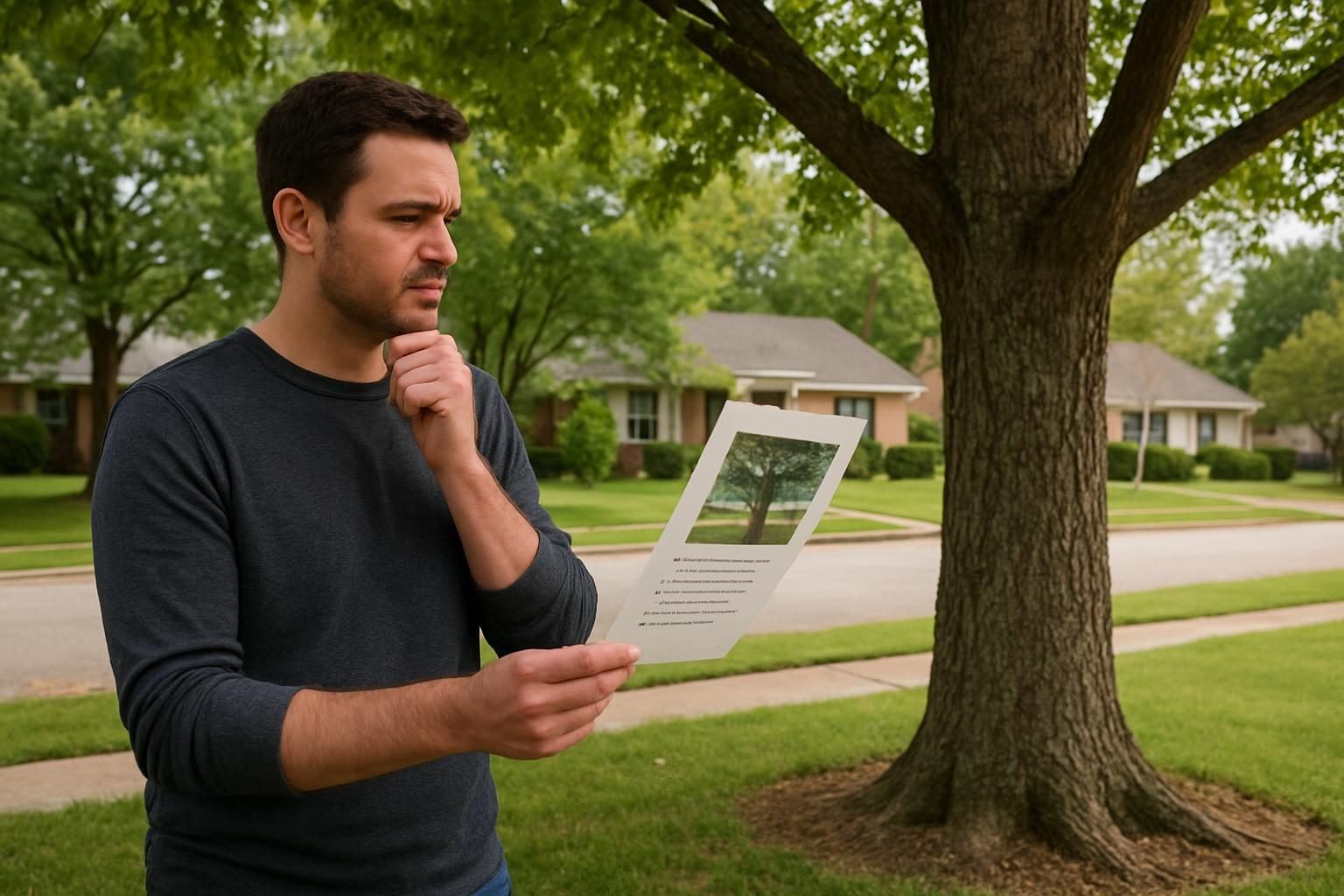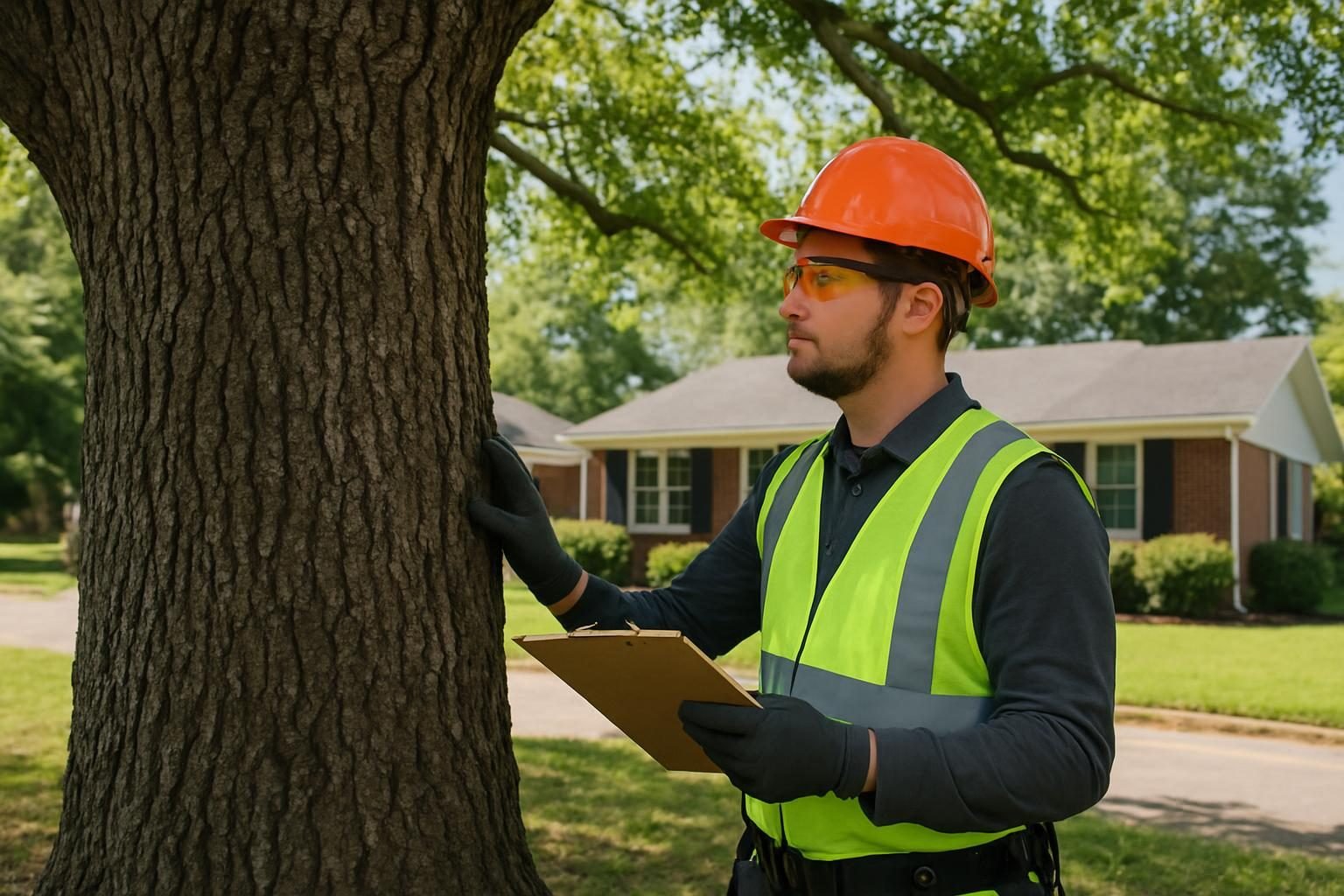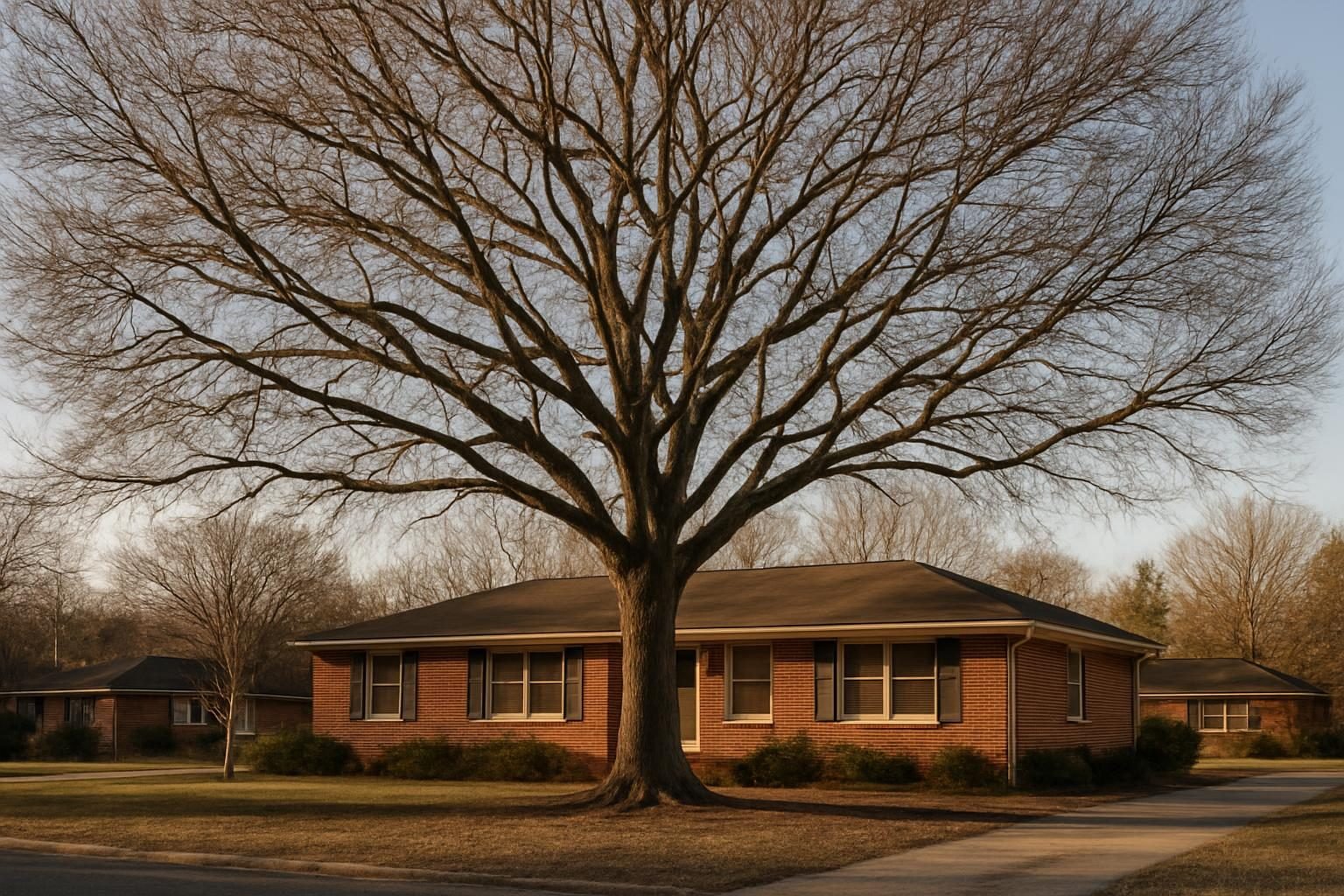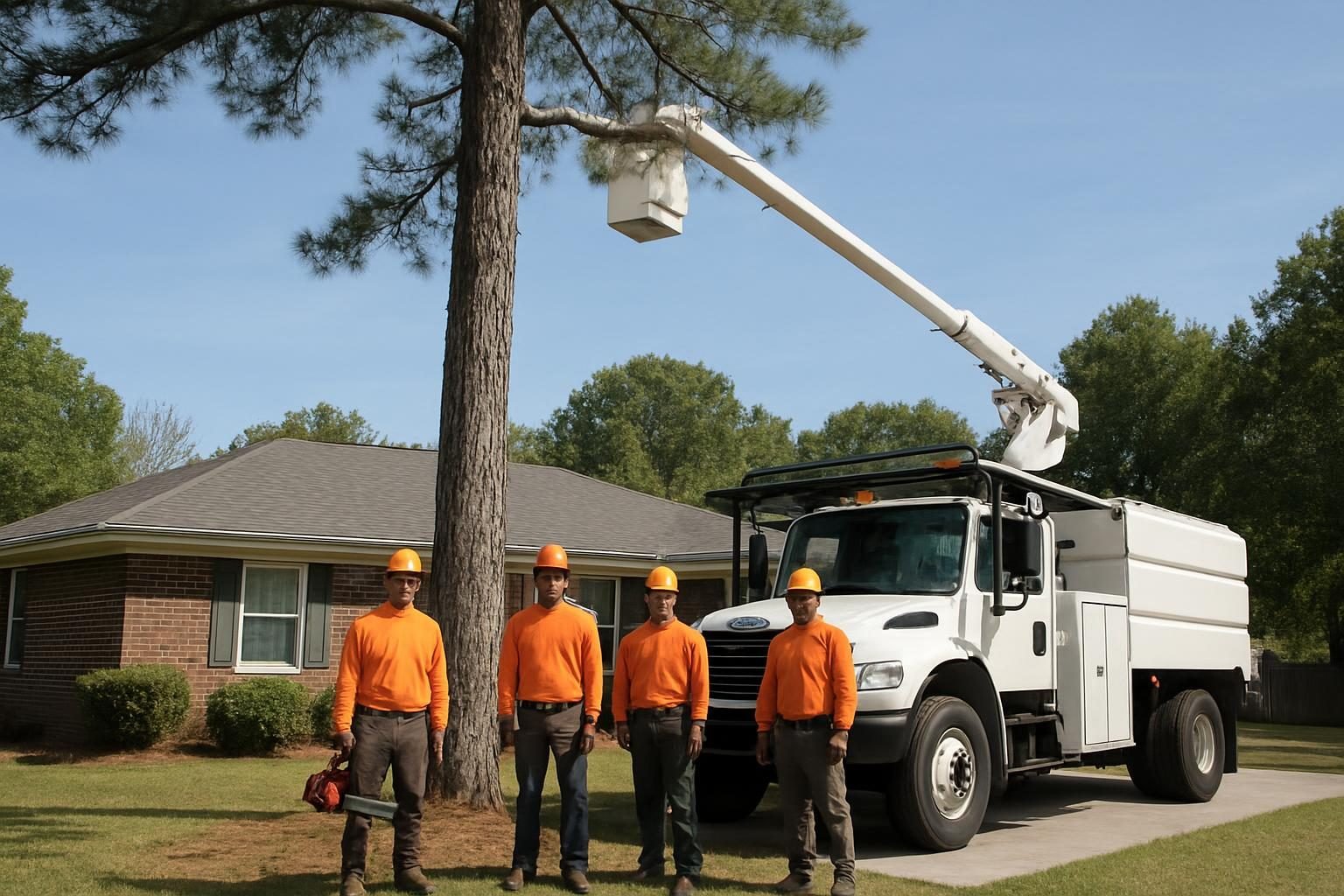
Quick answer: To prepare for tree removal, clear a wide path to the tree, move vehicles out of the driveway and street frontage, pick up yard items and anything fragile near the work zone, keep kids and pets indoors, and mark irrigation lines, buried utilities and invisible pet fences. Then plan to be reachable on job day so the crew can confirm details. Most of this takes an hour or two, and it can noticeably speed up the job.
Key takeaways
- Give the crew a clear, wide path from the street to the tree, including gates and side yards.
- Move cars out of the driveway, off the curb in front of the property and away from the drop zone.
- Keep kids and pets inside, and tell the crew about irrigation heads, septic lids and pet fence wires.
- Walk the site with the crew lead before work starts and confirm what is and isn’t included.
- Photograph your yard beforehand so you have a record of its condition.
If you live in Fayetteville, Hope Mills or Spring Lake, a little prep work matters even more than usual. Many lots here have mature pines and oaks close to houses, fences and power lines, so crews need room to work safely. Ready to line up a crew? You can request free quotes from local tree service companies using the form on this page.
Why Preparing for Tree Removal Matters
A crew that arrives to a clear, accessible yard can start cutting within minutes. A crew that spends the first hour moving patio furniture and hunting for a locked gate is burning time, and on hourly-priced jobs that can show up on your bill.
Prep also protects your property. Most damage during removal comes from things that were in the wrong place: a bike under the drop zone, a sprinkler head hidden in tall grass, a vehicle parked where limbs landed.
- Faster job: less setup time for the crew.
- Safer site: fewer surprises for people working with chainsaws, ropes and heavy limbs.
- Fewer disputes: a walk-through and photos keep everyone on the same page.
If you haven’t yet read it, our overview of what happens on tree removal job day pairs well with this checklist.
A Week Before: Confirm the Details
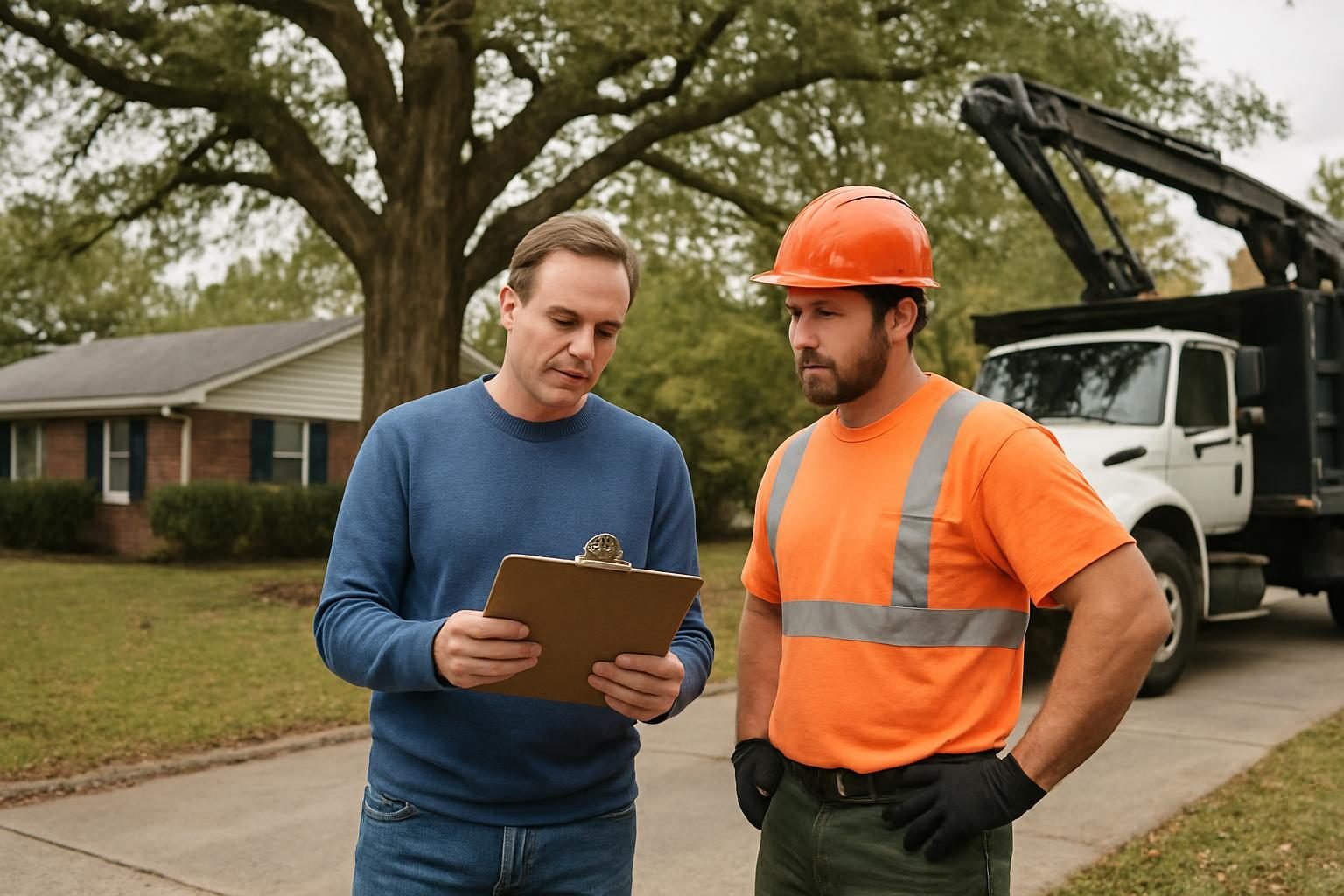
The best prep starts before the crew shows up. A few phone calls and a quick look around the property can prevent most day-of problems.
- Confirm the date and arrival window. Weather in Cumberland County can shift schedules, especially during summer thunderstorm season and after tropical systems.
- Review your written quote. Check whether it includes cleanup, hauling away wood and brush, and stump grinding. Our guide to what’s included in tree removal quotes and what costs extra explains the common gaps.
- Verify insurance. Ask for proof of liability and workers’ compensation coverage, as outlined in our article on verifying tree service insurance in North Carolina.
- Check permit and HOA rules. Some properties have restrictions. See whether you need a permit to remove a tree in Cumberland County before work is scheduled.
- Ask about equipment. Bucket trucks, chippers and cranes are large. Ask what size vehicles will arrive so you can plan access.
Pro tip: Ask the crew lead what time they expect to start and how long they estimate the job will take. That tells you when to move cars and when to keep pets inside.
Most tree-removal surprises come from things left in the wrong place, not from the tree itself.
Clearing Access to the Tree
Crews need a safe path for equipment and a way to move cut wood out. Walk the route from the street to the tree and look at it the way a truck driver would.
- Gates: unlock them and make sure they open fully. Measure if you have a narrow side gate, since chippers and carts can be wider than expected.
- Fences and low branches: flag anything that might block equipment. Tell the crew about it ahead of time rather than on the day.
- Landscaping: consider where a crew is likely to walk and stage equipment. Delicate beds, small shrubs and new plantings along the path may get trampled.
- Overgrown areas: mow or trim tall grass and brush near the tree so the crew can see the ground, including stumps, holes and hoses.
- Tight backyards: if equipment can’t reach the tree, the crew may have to climb and carry pieces out by hand, which takes longer and can raise the price.
Rural lots around Raeford and Stedman often have long driveways and soft ground. After heavy rain, tell the crew about wet spots so a heavy truck doesn’t get stuck or leave deep ruts.
Moving Vehicles and Yard Items
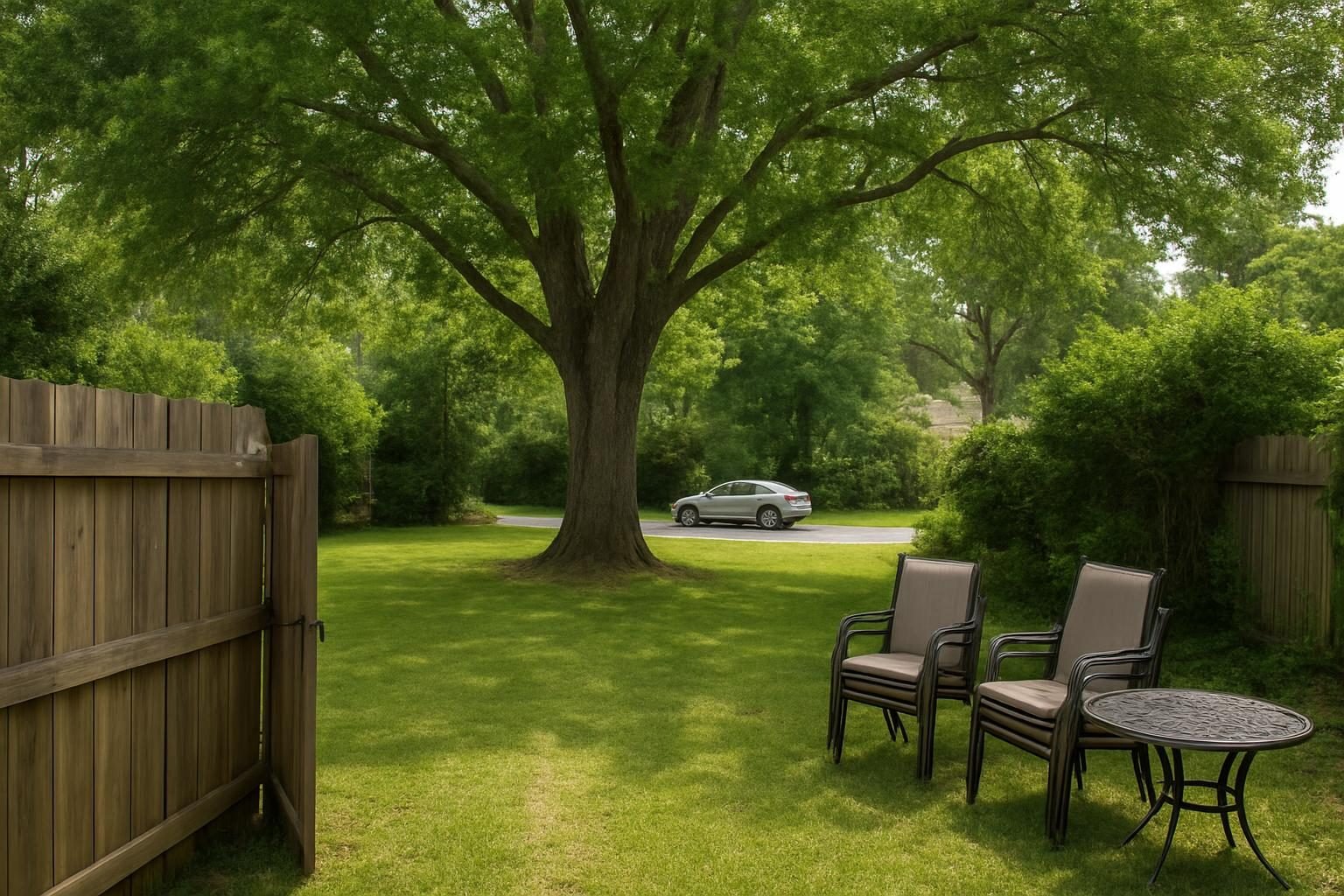
Think of the area around the tree as a work zone. Anything inside it, or in the path of falling limbs, should move before the first cut.
What to move
- Vehicles: clear the driveway and the street in front of your home. Crews often need curb space for trucks and a chipper. Move cars at least a full tree-height away from the work area when possible.
- Outdoor furniture and grills: relocate them to the garage or a far corner of the yard.
- Kids’ toys, bikes and trampolines: a trampoline in the drop zone is a common casualty, so ask the crew if it needs to move.
- Potted plants, garden decor and bird feeders: these are easy to break and easy to move.
- Trash and recycling bins: roll them out of the way so debris can be staged.
What to protect inside the house
- Vibration from falling wood can rattle shelves and wall hangings, so secure fragile items near exterior walls.
- Close windows facing the work area to keep sawdust out.
- Consider moving cars and valuables out of the garage if the tree is close to the house.
Treat the area around the tree as a work zone, and assume anything left in it can be damaged.
Pets, Kids and Safety on Job Day
Tree work is loud and unpredictable, and falling limbs can travel farther than you’d expect. The safest plan is to keep everyone out of the yard.
- Keep children indoors and away from windows facing the work area. Curious kids and chainsaws are a bad combination.
- Secure pets inside, ideally in a quiet room away from the noise. Dogs left in a fenced yard may bolt if a gate is opened.
- Check on neighbors. If the tree is near a shared fence or property line, give your neighbor a heads-up. Our article on who pays when a tree falls on a neighbor’s property in North Carolina explains why communication helps.
- Plan for noise. If you work nights, have a newborn or care for someone sensitive to noise, plan an alternative place to be during the job.
- Stay out of the work zone. Watch from inside, and approach the crew only when the lead signals it’s safe.
Marking Utilities, Irrigation and Hidden Hazards
What’s underground matters as much as what’s overhead, especially if stump grinding is part of the job. Grinders cut several inches below the surface, so shallow lines can be damaged.
- Irrigation: mark sprinkler heads, valves and visible lines with flags or paint. Shut off the system the day before.
- Invisible pet fences: locate the buried wire and tell the crew. Mark it with flags if you can.
- Septic components: flag tank lids, drain fields and risers. Heavy equipment shouldn’t cross a drain field.
- Landscape lighting and low-voltage wiring: mark fixtures and known runs.
- Overhead lines: point out power, phone and cable lines running near the tree. Work near energized lines is a specialized job, and crews may need extra precautions.
- Buried utilities: for any serious digging or deep stump work, North Carolina’s 811 service can locate public utility lines for free. See the NC811 site for how to request a locate.
If you’re also planning stump work, read stump grinding vs. stump removal so you know what the crew will do below ground.
What to Expect From the Crew and Cleanup
A professional crew will usually start with a walk-around, confirm the plan with you and set up the work zone before cutting. Expect rope, harnesses, chainsaws and possibly a bucket truck or crane for larger trees. The tree removal service in Fayetteville typically follows this order:
- Walk-through: the lead confirms which tree is coming down and any no-go areas.
- Setup: cones, ropes, drop zone and equipment positioning.
- Cutting: limbs come down first, then the trunk in sections, unless there’s room to fell it whole.
- Processing: brush goes through the chipper, and wood is cut into rounds or hauled off based on your quote.
- Cleanup: raking, blowing and a final walk-through with you.
Be present or reachable. If something unexpected shows up, such as rot, a hidden wasp nest or a crack in the trunk, the crew may need to change the plan and talk to you first.
Disposal is worth settling in advance. If you want to keep the firewood or mulch, say so. If you want it all hauled away, confirm it’s in the price. Our guide to yard waste and tree debris disposal in Cumberland County covers your options.
After the job
- Walk the property with the lead and check fences, roofs, lawns and irrigation.
- Photograph any concerns before the crew leaves.
- Get a written receipt or invoice, and keep your insurance and quote paperwork together.
Costs vary with tree size, access and cleanup. For rough local numbers, see tree service costs in Fayetteville, and treat any figures as estimates until you have a written quote.
Want help finding a crew that fits your property? Request a free tree removal quote through the form on this page and compare local options with no obligation.
Frequently Asked Questions
Do I need to be home during tree removal?
It’s not always required, but it helps. Being home lets you answer questions, approve changes and do a final walk-through. If you can’t be there, make sure the crew has your phone number and clear written instructions about gates, access and cleanup.
How far should I move my car from the tree?
Move vehicles out of the driveway and away from the street in front of the property. As a rule of thumb, keep them at least a full tree-height from the work area, and ask the crew lead for guidance on your specific lot.
Should I water or mow before the crew arrives?
Mowing is a good idea so hazards on the ground are visible. Skip heavy watering, which can leave soft ground that gets rutted by equipment. If you have an irrigation system, turn it off the day before.
Does the crew handle permits and utility lines?
Usually permits are the homeowner’s responsibility unless your quote says otherwise, so check local and HOA rules first. For anything near power lines, tell the company during the quote stage so they can plan safely. Your utility provider may also need to be involved.
Get a free tree removal quote in Cumberland County
A local tree service company will contact you with a free, no-obligation quote and help you plan job day.