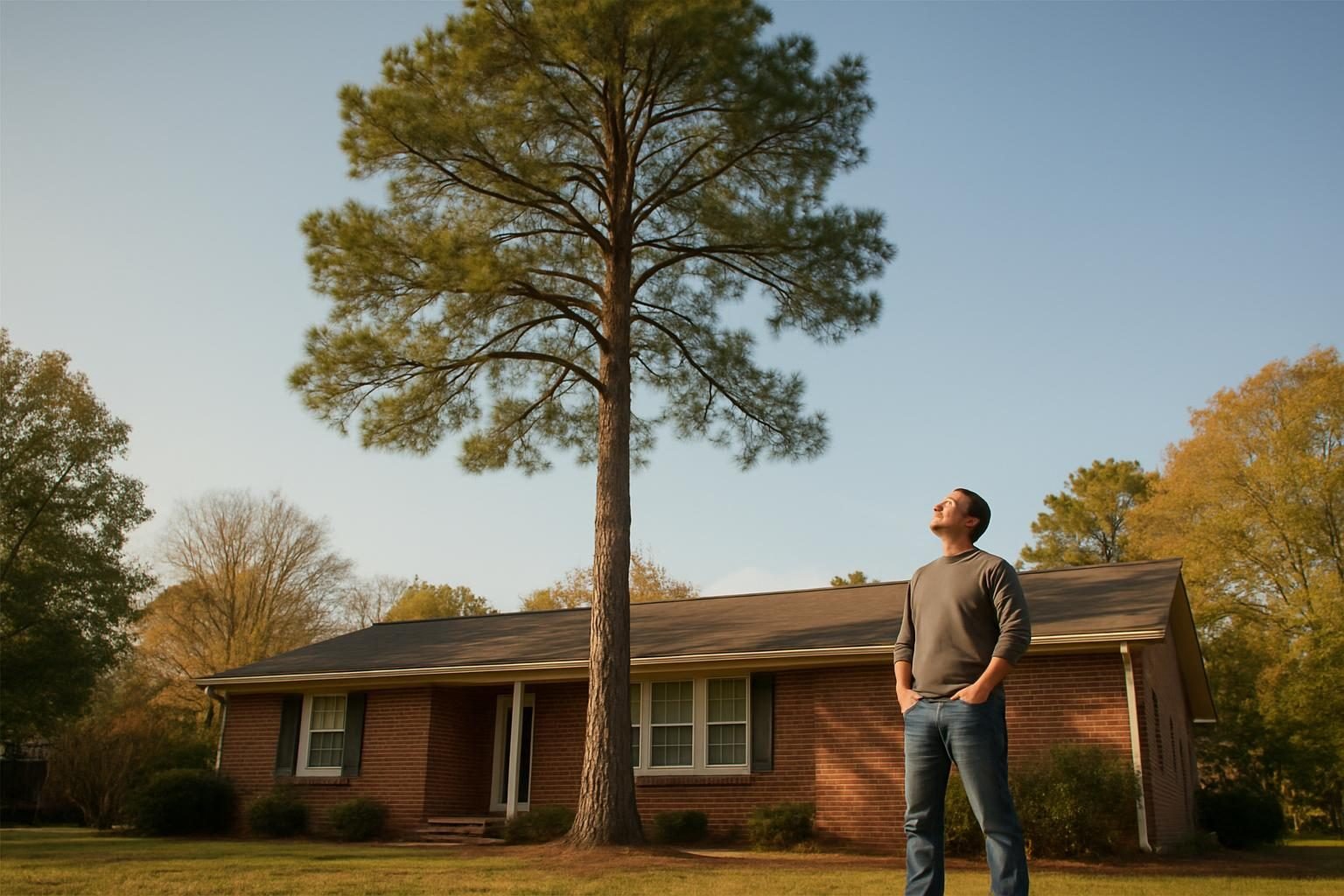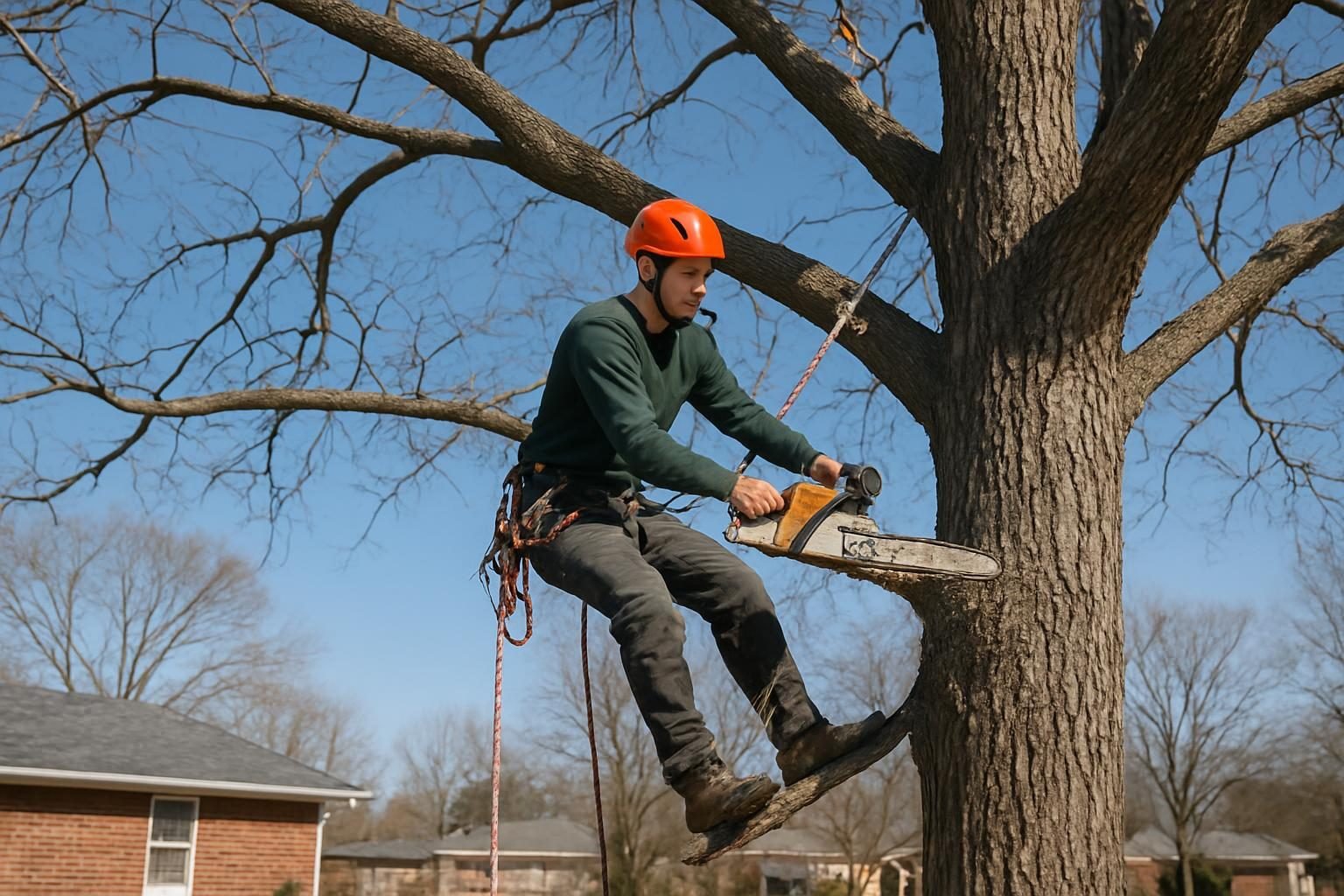
Quick answer: Stump grinding shreds the stump a foot or so below the surface and is the right call for most Fayetteville yards because it is faster, cheaper, and leaves far less damage. Full stump removal pulls out the whole stump and major roots, which makes sense mainly when you are pouring a foundation or need a large, clean void.
Key takeaways
- Grinding is the default: it is usually quicker, less invasive, and lower cost than full removal.
- Removal is for construction: foundations, pools, and footings need the wood gone, not just ground down.
- Neither kills regrowth by itself: some species sprout from leftover roots, so plan a follow-up.
- Fayetteville’s sandy soil makes digging easier but also means more settling over a grinding hole.
If you live in Fayetteville, Hope Mills, or Spring Lake and just had a tree cut down, the stump is the part that lingers. It trips mowers, hosts termites and fungus, and keeps sending up suckers. This guide compares the two ways of dealing with it so you can pick the right one for your yard. When you are ready to compare prices, you can request a free stump quote using the form on this page.
What Is the Difference Between Stump Grinding and Stump Removal?
The two terms get mixed up constantly, but they are different jobs with different results.
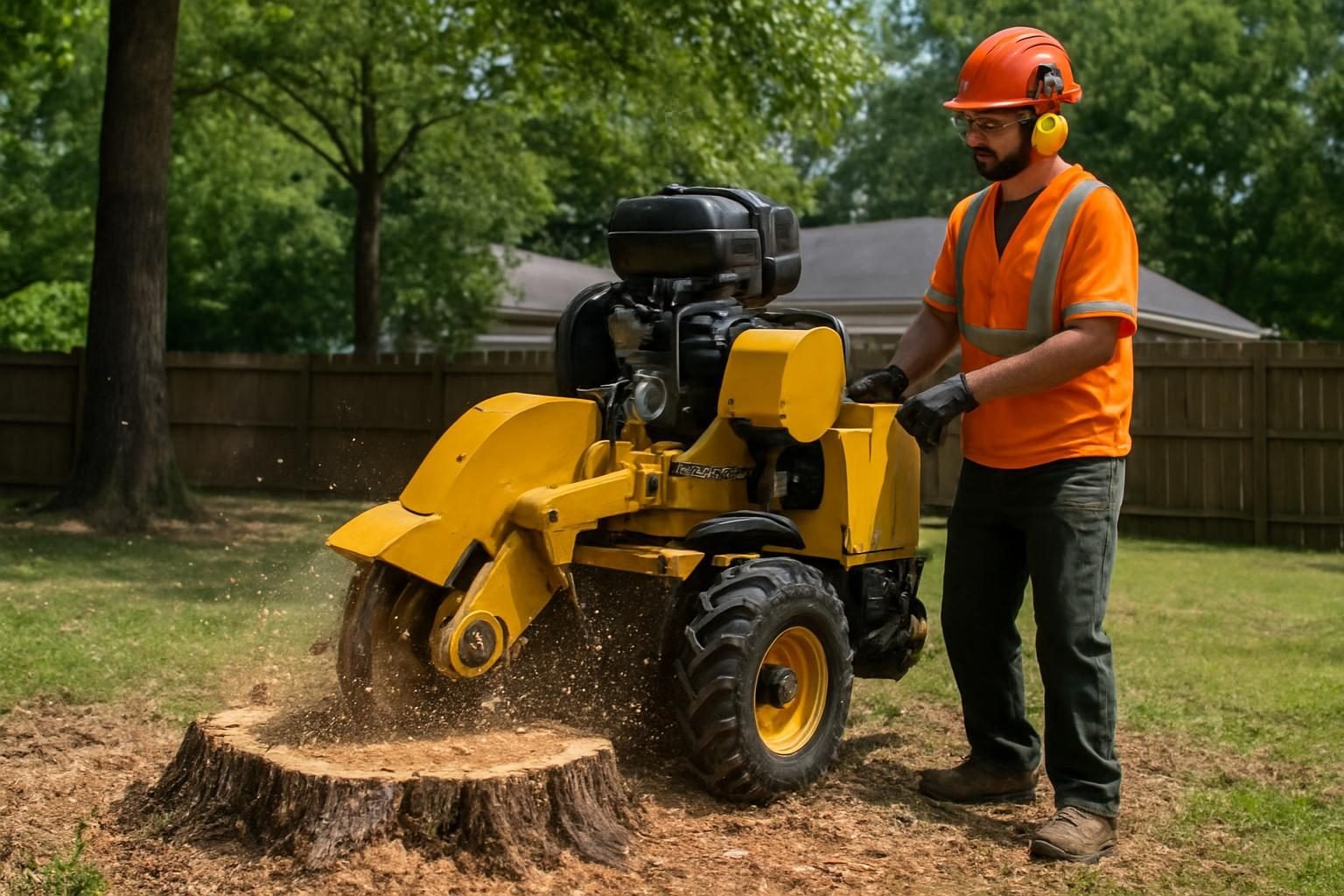
- Stump grinding: a machine with a spinning, toothed cutting wheel chews the stump into wood chips, typically 6 to 12 inches below grade. Roots below that depth stay in the ground and decay slowly.
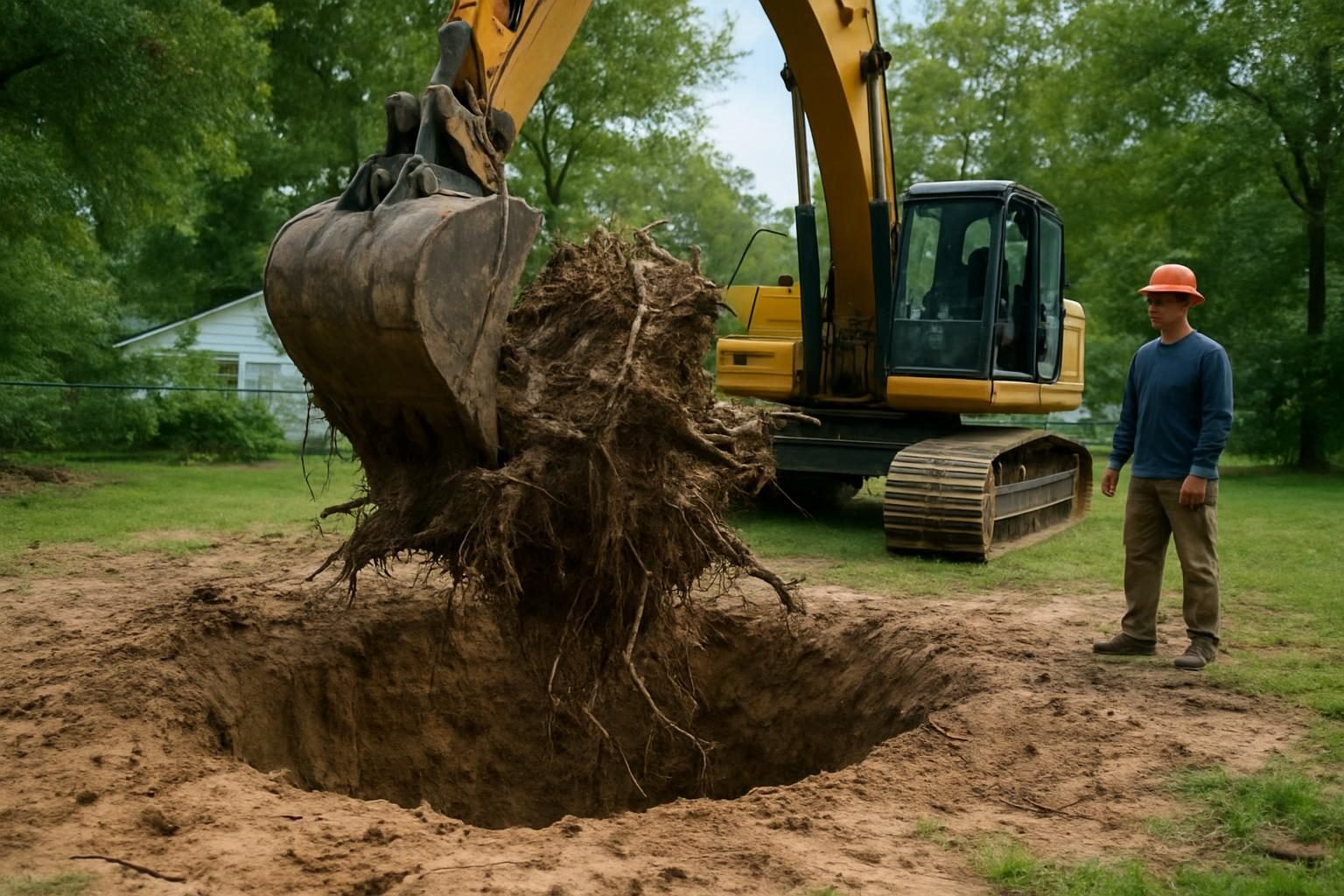
- Stump removal: the whole stump and the main root ball are dug or pulled out, usually with an excavator, backhoe, or skid steer. You are left with a large hole that needs fill.
For a deeper look at how the grinding process works and what crews bring, see our stump grinding service page.
How Each Process Works
Stump grinding, step by step
- The crew marks underground utilities and checks for hazards like irrigation lines.
- They cut the stump as low as possible with a chainsaw.
- The grinder sweeps side to side, cutting down in layers.
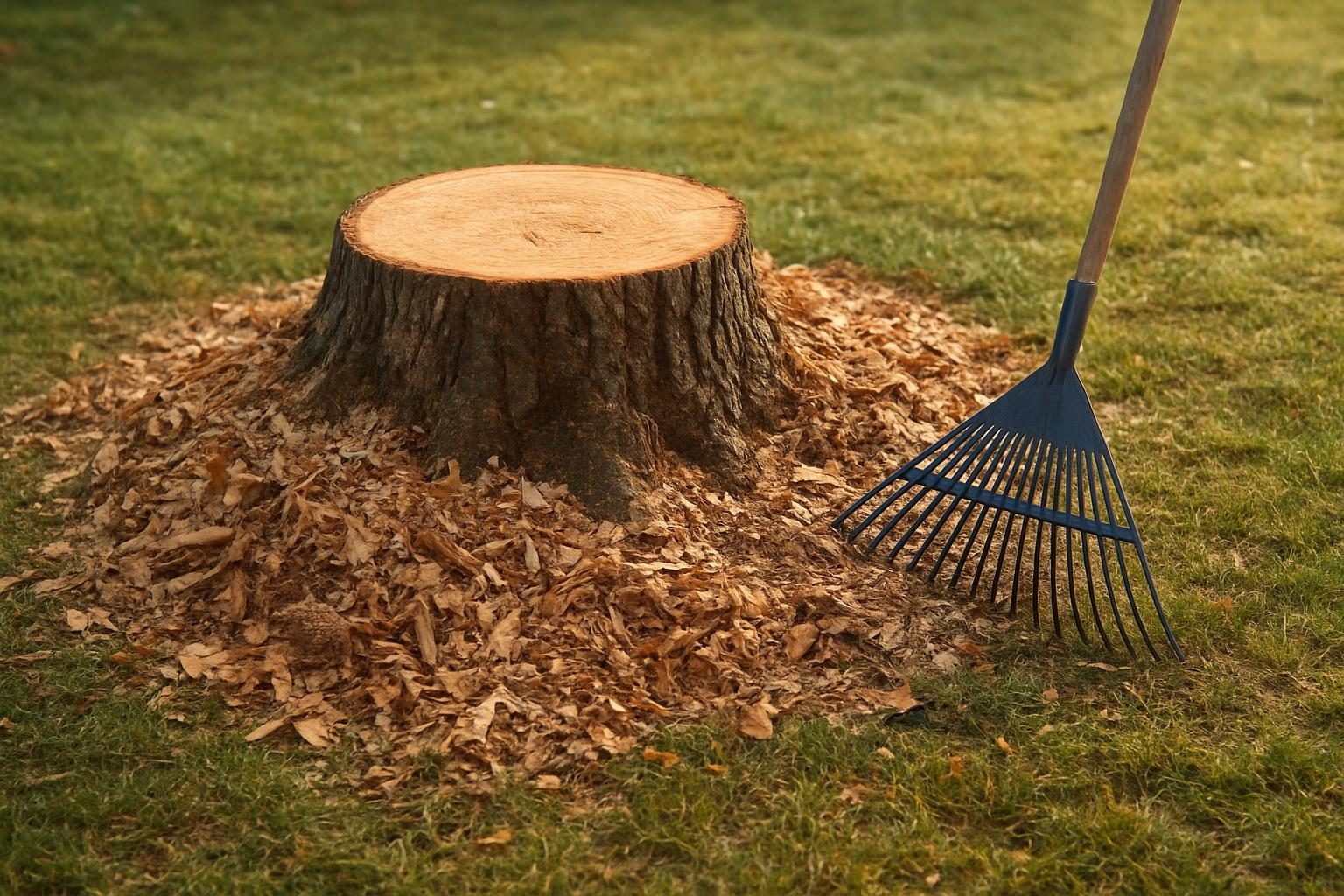
- Chips are raked back into the hole or hauled off.
A typical residential stump takes roughly 30 minutes to a couple of hours, depending on diameter and root flare.
Stump removal, step by step
- Crews dig around the stump to expose the major roots.
- Roots are cut, and the stump is levered or pulled out with heavy equipment.
- The hole is backfilled with soil and compacted.
- The stump and root mass are hauled away.
This needs machine access, so a tight backyard behind a fence can limit your options or add cost.
Cost Estimates: Grinding vs Removal
Prices vary by company, stump size, and access, so treat these as rough estimates only and get written quotes.
- Stump grinding: often around $100 to $400 for a typical residential stump, with large or multiple stumps costing more. Many companies price by diameter and may set a minimum fee.
- Full stump removal: commonly several hundred dollars and up per stump, since it takes heavy equipment, more labor, backfill, and hauling.
Things that push the price up include big oaks with wide root flares, stumps on slopes or behind gates, rocks or old fence wire in the wood, and having many stumps in one visit. Discounts for multiple stumps are common. Our tree service cost guide for Fayetteville covers how pricing works across all services, and our look at pine tree removal costs is helpful if your stump came from a loblolly or longleaf.
Grinding removes what you see; removal removes what is underneath, and that difference is most of the price gap.
Yard Damage, Regrowth, and Replanting
Here is how the two stack up on the things homeowners worry about most.
- Yard damage: grinding leaves a mound of chips and a patch of disturbed soil, usually a few feet across. Removal leaves a deep crater plus tracks from heavy equipment, so expect more lawn repair.
- Regrowth: neither method guarantees the tree will not sprout. Species such as sweetgum, oak, and some others can send up suckers from leftover roots. Cut shoots back promptly, and ask a pro about treatments if sprouting persists.
- Replanting a tree: do not plant a new tree in the same spot right after grinding. Decaying roots and wood chips can interfere with young roots. Either remove the chips and fill with clean soil, or plant a few feet away.
- Time: grinding is usually done in one short visit. Removal can take half a day or more, plus backfilling and settling.
Pro tip: Ask the crew to haul away the chips from the grinding hole and fill it with topsoil if you plan to seed or sod. Pure wood chips pull nitrogen from the soil as they break down and can leave a weak, yellow patch.
Which Is Right for Your Situation?
Match the method to what you plan to do with the spot.
- New lawn or sod: choose grinding. Grind deep, remove the chips, add topsoil, and seed or sod over it.
- Building a structure, patio, or pool: choose full removal, or at minimum very deep grinding approved by your contractor. Wood left under a slab or footing can decay and cause settling.
- Garden bed: grinding works well. Mix the chips with good soil in a limited amount, or haul them off and bring in garden mix.
- Just want it gone, no plans: grinding is the budget-friendly pick.
- Tree stump near a driveway, pipe, or foundation: grinding is gentler since it avoids pulling roots that might be intertwined with utilities.
If you are still deciding whether the tree itself should come down, start with our tree removal guide and our list of signs a tree is dying. For a larger project with many stumps, a land clearing crew may handle everything at once.
If concrete or a foundation is going over the spot, do not settle for a shallow grind.
Fayetteville Sandy Soil Notes
Much of Cumberland County, including areas around Hope Mills, Stedman, and Raeford, sits on sandy, well-drained soil in the Coastal Plain. That affects stump work in a few ways.
- Easier digging: sandy soil is generally easier for equipment to work through, which can make full removal less laborious than in heavy clay.
- More settling: loose sand and decaying roots mean a ground-out stump area often sinks over time. Plan to top it off with soil once or twice.
- Fast drainage: new grass over a grinding site can dry out quickly, so water it more often while it establishes.
- Pine stumps: resinous longleaf and loblolly stumps are common here and can be slow to rot, which is another reason many homeowners prefer grinding.
- Storm cleanup: after hurricanes or heavy storms, many stumps and root balls come out of saturated sandy ground. Our emergency storm tree removal page explains how crews handle those.
Always have underground lines marked before any digging or grinding. You can call 811, the free national service, to request marking before work begins. If you are in or near the city, check our tree service in Fayetteville page for local coverage, and see whether you need a permit before removing a tree.
Next up, you may want to read about stump grinding cost per stump and what to do after stump grinding. When you are ready to compare local prices, request a free stump grinding or removal quote through the form on this page.
Frequently Asked Questions
Is stump grinding cheaper than stump removal?
In most cases, yes. Grinding is typically faster and uses lighter equipment, so it generally costs less. Exact prices depend on stump size and access, so get a written quote.
Will a ground stump grow back?
It can, depending on the species. Some trees sprout from the roots left in the ground. Cutting new shoots promptly or asking a professional about treatment can help.
How long until I can plant grass or a tree over a ground stump?
You can usually seed or sod soon after grinding once the chips are removed and topsoil is added. For a new tree, many pros suggest planting a few feet away or waiting until the area is clean fill.
Can I build over a ground-out stump?
Not safely without guidance. Remaining wood and roots decay and can settle. For slabs, footings, or pools, talk with your builder and consider full removal.
Get a free stump grinding or removal quote
A local tree service company will contact you with a free, no-obligation quote for your stump.