Fayetteville & Cumberland County, NC
Tree Removal in Fayetteville, NC
Need a dead, leaning or problem tree taken down? We connect Cumberland County homeowners with independent local tree pros so you can compare free quotes.
- Free, no-obligation quotes
- Local Cumberland County pros
- Takes about a minute
Get Free Tree Removal Quotes in Fayetteville
Tell us about your tree and we’ll connect you with local tree pros who can give you a quote.
Taking down a tree is one of the riskiest jobs around a home, and it is not a weekend project once a tree is tall, close to the house or near wires. Cumberland Tree Pros is a free referral service: we connect homeowners in Fayetteville and across Cumberland County with independent, locally owned tree companies. This page explains what tree removal involves, what it tends to cost locally and how to hire the right pro.
What Tree Removal Includes
A standard removal quote from the tree companies we work with usually covers:
- Cutting the tree down, either in one piece or in sections, depending on space.
- Cutting the trunk and limbs into manageable pieces.
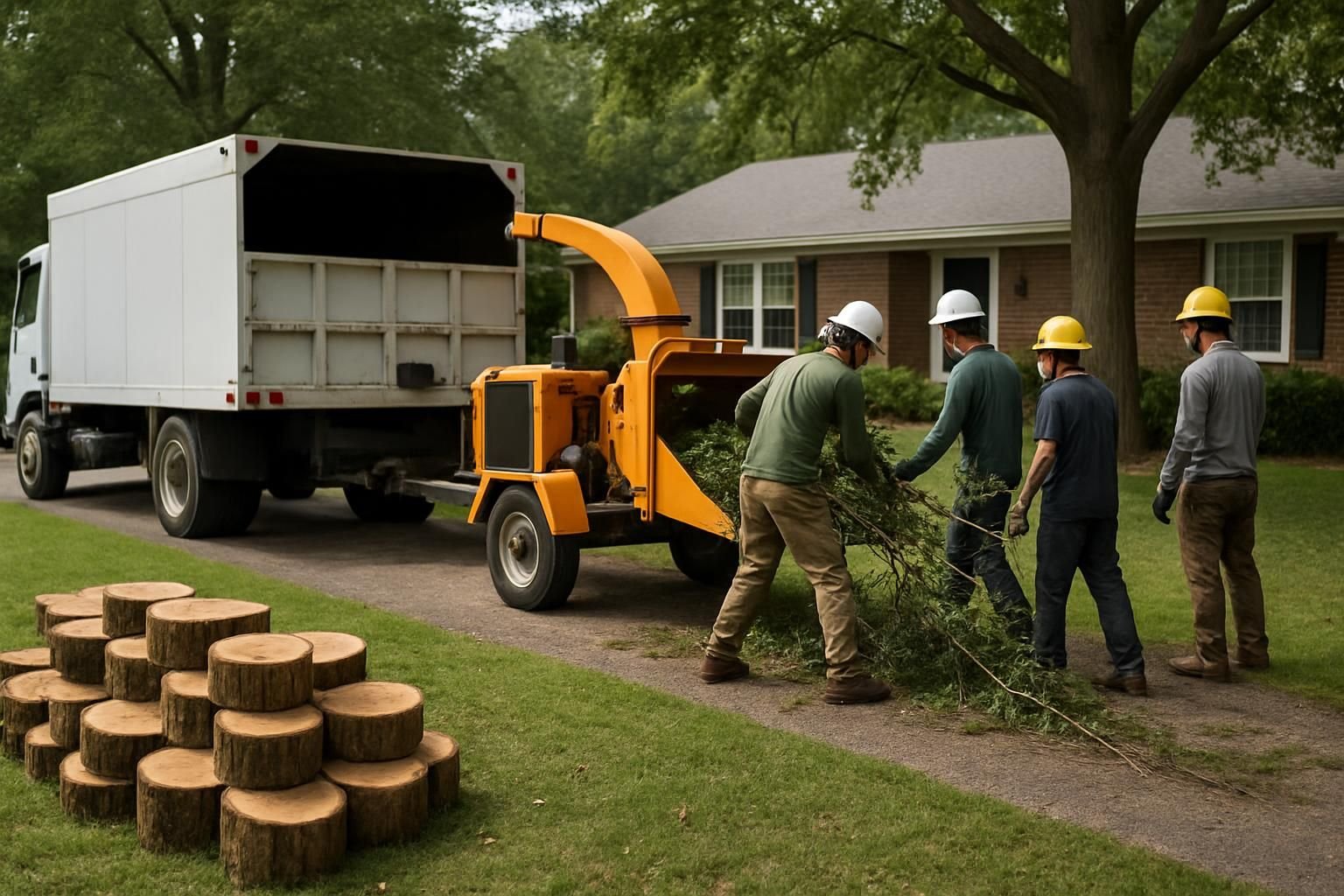
- Chipping brush and hauling away wood and debris, or leaving firewood rounds if you ask.
- Raking and blowing the work area clean.
- A stump cut low to the ground. Grinding it out is usually a separate line item, so ask about stump grinding in Fayetteville if you want the spot replanted or mowed flat.
Always read the written estimate to see what is and is not included. “Removal” can mean very different things from one quote to the next.
Signs a Tree Needs to Come Down
Not every damaged tree has to go. Pruning can fix many problems. But these signs often point to removal:
- The tree is dead or mostly dead. Brittle bare limbs, no leaves in season, or a pine whose needles have turned reddish brown.
- Pine beetle activity. Small pitch tubes or sawdust on the bark of pines can mean southern pine beetle or Ips engraver beetles. Infested pines usually die and can spread beetles to nearby trees.
- Trunk decay or hollows. Water oaks in particular often rot from the inside. Mushrooms at the base, cavities or soft wood are warning signs.
- A new or worsening lean, especially with cracked or heaving soil on the opposite side of the trunk.
- Large splits or cracks in the trunk or where big limbs meet. Bradford pears are known for splitting apart.
- Root damage from construction, trenching or root rot.
- Bad location. Trees rubbing the roof, lifting a foundation or driveway, or crowding a septic field.
If you are unsure, an arborist tree assessment can tell you whether a tree can be saved before you pay to remove it.
How Professional Tree Removal Works
Assessment and planning
A good crew starts by walking the site. They check the tree’s lean, decay, limb weight and what sits underneath: the house, fences, sheds, septic lines, gardens and power lines. That decides the method.
Removal methods
- Straight felling. If there is a clear drop zone, the tree is notched and dropped in one piece. This is the fastest and cheapest option.
- Sectional removal. A climber or bucket truck takes the tree down from the top in pieces when there is no room to fell it.
- Rigging. Ropes, pulleys and lowering devices control heavy limbs and trunk sections so they do not hit the roof or yard.
- Crane removal. For big trees leaning over a house, a crane can lift sections out and set them down in a safe spot.
Equipment you may see
- Chainsaws and pole saws
- Climbing gear, ropes and rigging hardware
- Bucket trucks or aerial lifts
- Wood chippers and dump trucks
- Skid steers or loaders for moving heavy logs
- Cranes for the hardest jobs
Safety basics
Professional crews wear helmets, eye and ear protection and chainsaw chaps, set up a marked drop zone and keep people and pets well back. They should never work near energized power lines. In Fayetteville, PWC serves much of the city, while Duke Energy and electric co-ops such as Lumbee River EMC and South River EMC serve other areas. If a tree touches or hangs over lines, contact your utility first. The utility handles line clearance, and the tree pro can take over once it is safe.
Fayetteville Factors That Affect Tree Removal
Local trees
Most removal calls around Cumberland County involve tall loblolly and longleaf pines, water oaks, willow oaks, southern red oaks, sweetgums, tulip poplars and pecans. Tall pines can be dropped fast in open yards but need climbing and rigging in tight spaces. Large oaks are heavy and spread wide, so they often take longer and cost more. Bradford pears tend to split and are frequently removed after storms.
Sandy soil vs. clay
The west side of the county sits at the edge of the Sandhills, with deep sandy soil toward Spring Lake, the Fort Bragg area and Hoke County. Heavier loam and clay are more common toward the Cape Fear River and places like Eastover. Soil type matters. Saturated sandy or clay soils can let shallow-rooted pines and water oaks tip over, and soft ground can limit where heavy trucks and cranes can safely set up.
Storms
Hurricanes Matthew in 2016 and Florence in 2018 flooded the area and toppled many trees. Summer thunderstorms and occasional ice storms also drop limbs. Removing a weak or leaning tree before storm season is usually cheaper and safer than dealing with it after it falls. If a tree is already down on your house, see emergency storm tree removal.
Tight lots, HOAs and local rules
Many neighborhoods in Haymount, Lake Rim and Hope Mills have trees close to homes, fences and neighbors’ property, which often means sectional removal instead of felling. Some HOAs require approval before removing a tree. Rules for trees in the public right-of-way, historic districts or new developments vary, so check with the City of Fayetteville or your town or county before work begins.
If you live in on-post family housing at Fort Bragg, tree issues go through the installation housing office. Our Fort Bragg area tree service page is for off-post homes. Homeowners in Spring Lake, Raeford and Gray’s Creek can request quotes the same way as Fayetteville residents.
Tree Removal Cost in Fayetteville
These are estimates for the Fayetteville area. Prices vary by tree size, access, hazards and cleanup, and only a real quote after someone sees the tree will tell you your actual price.
| Job | Typical estimated range |
|---|---|
| Small tree (under 30 ft) | $250 – $700 |
| Medium tree (30 – 60 ft) | $600 – $1,500 |
| Large tree (60 – 80+ ft) | $1,200 – $3,000+ |
| Tall pine or oak leaning over a house (rigging or crane) | $1,800 – $5,000+ |
| Stump grinding (per stump) | $100 – $400 |
| Emergency storm removal | Often 1.5x – 3x normal rates |
The main things that push the price up or down:
- Height and trunk diameter. Bigger trees take more time and equipment.
- Access. Backyards behind fences or with no truck access mean more hand-carrying.
- What is underneath. Roofs, pools, sheds and power lines call for rigging or a crane.
- Tree condition. Dead or rotten trees can be unsafe to climb and may need a lift or crane.
- Cleanup choices. Full haul-away costs more than leaving wood on site.
- Number of trees. Removing several at once can lower the per-tree price.
For a deeper breakdown, see our Fayetteville tree service cost guide.
How to Choose a Tree Removal Pro
North Carolina has no statewide license for tree service companies, so you have to do a little checking yourself. ISA Certified Arborist is a voluntary credential that shows training in tree care. Before you hire, ask:
- Can you show proof of general liability and workers’ compensation insurance? Ask for certificates, not just a verbal yes. Without workers’ comp, an injury on your property could become your problem.
- Will I get a written estimate? It should list the trees, method, cleanup, stump work and price.
- How will you take the tree down? A clear answer about felling, rigging or a crane shows they have thought about your property.
- What cleanup is included? Ask about chips, logs, raking and small debris.
- Who handles any permits or HOA paperwork? Know who is responsible before work starts.
- What happens if something gets damaged? Understand how they handle it.
Be careful with door-to-door crews after storms who ask for full payment up front. Getting two or three quotes helps you spot prices that are far too high or suspiciously low. You can request free quotes from local tree pros through the form on this page.
What Happens on Job Day
- Arrival and walkthrough. The crew confirms which tree or trees are coming down and reviews the plan with you.
- Site setup. Vehicles are parked, a drop zone is marked and anything movable, like patio furniture or grills, should be cleared beforehand. Keep kids and pets inside.
- Removal. Limbs come off first on sectional jobs, then the trunk is taken down in pieces or felled.
- Processing. Branches go through the chipper, and the trunk is cut into rounds or logs.
- Cleanup. Wood and chips are hauled away or left as agreed, and the area is raked and blown.
- Final check. Walk the yard with the crew before they leave to make sure everything matches the estimate.
Expect some ruts or flattened grass where heavy equipment was used, especially on soft or wet ground. If you want the stump gone, many crews can schedule grinding the same day or soon after.
Whether it is a beetle-killed pine in Stedman or a hollow water oak over your roof in Fayetteville, the first step is the same: get a few qualified opinions and a written price. Tell us about your tree and we will connect you with local tree pros who serve your area.
Latest tree removal guides
-
Whose Tree Is It? Property Line and Neighbor Tree Rules in North Carolina
Who is responsible for a tree on the property line in North Carolina? Learn how trunk location, trimming rights, liability…
-
When Should You Remove a Pine Tree Near Your House?
Not every pine near your house has to go. Learn the warning signs, distance rules of thumb and when to…
-
Do You Need a Permit to Remove a Tree in Fayetteville, NC?
Do you need a permit to remove a tree in Fayetteville, NC? Learn when rules may apply and how to…
More services
Other tree services in Fayetteville
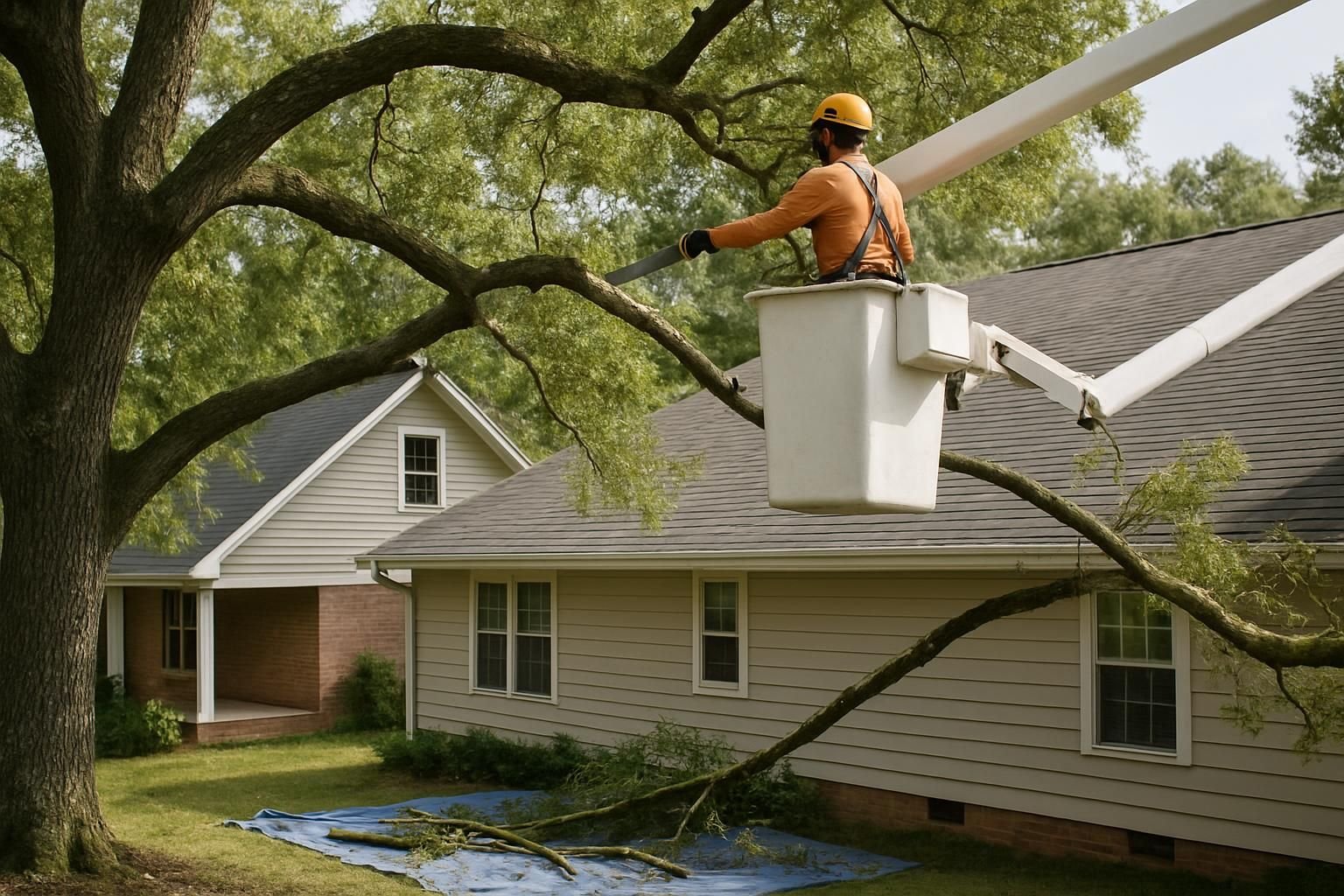
Tree Trimming & Pruning
Crown thinning, deadwood removal and clearance pruning that keeps trees healthy and roofs clear.
Learn more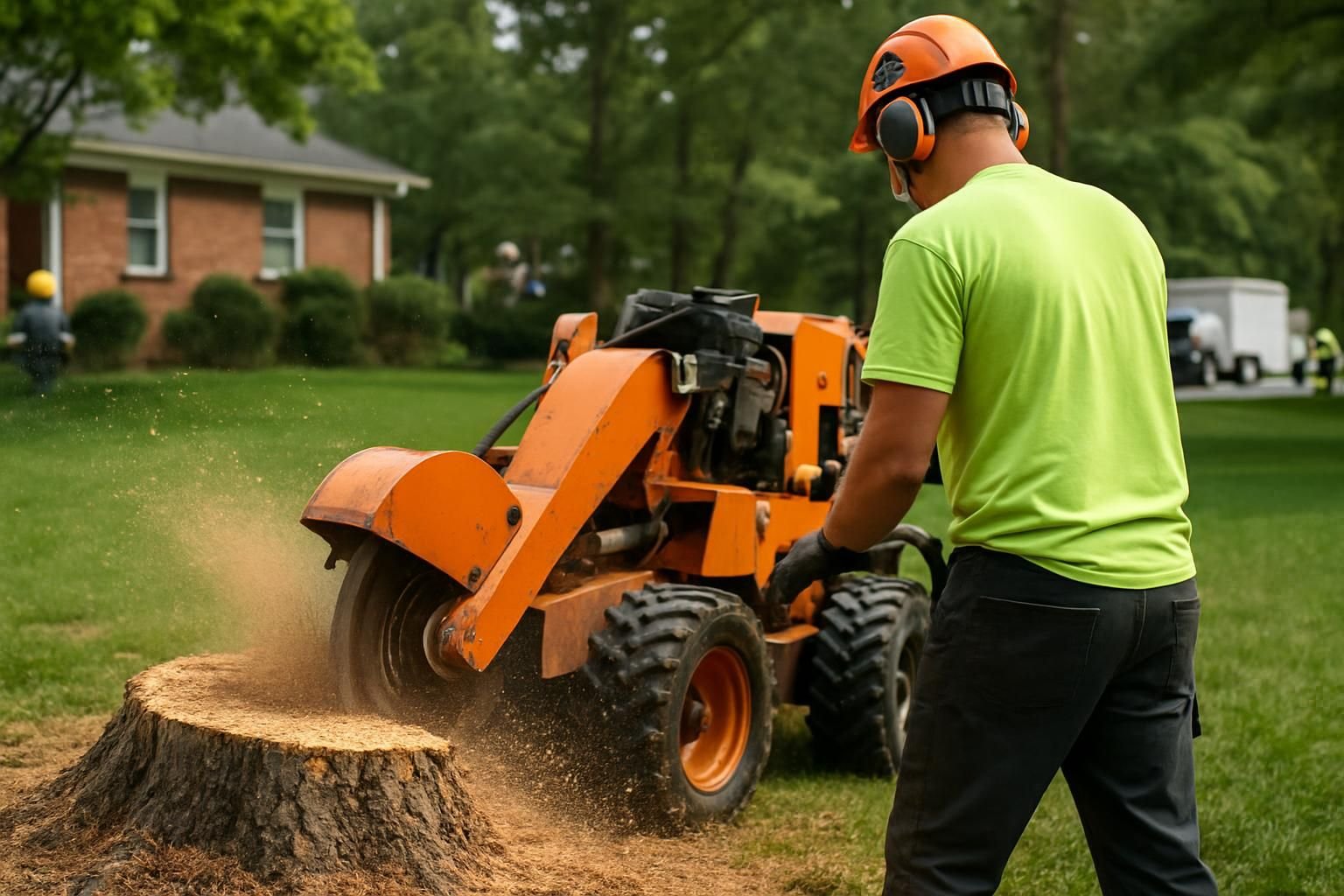
Stump Grinding
Grind stumps below grade so you can replant, reseed, pave or build.
Learn more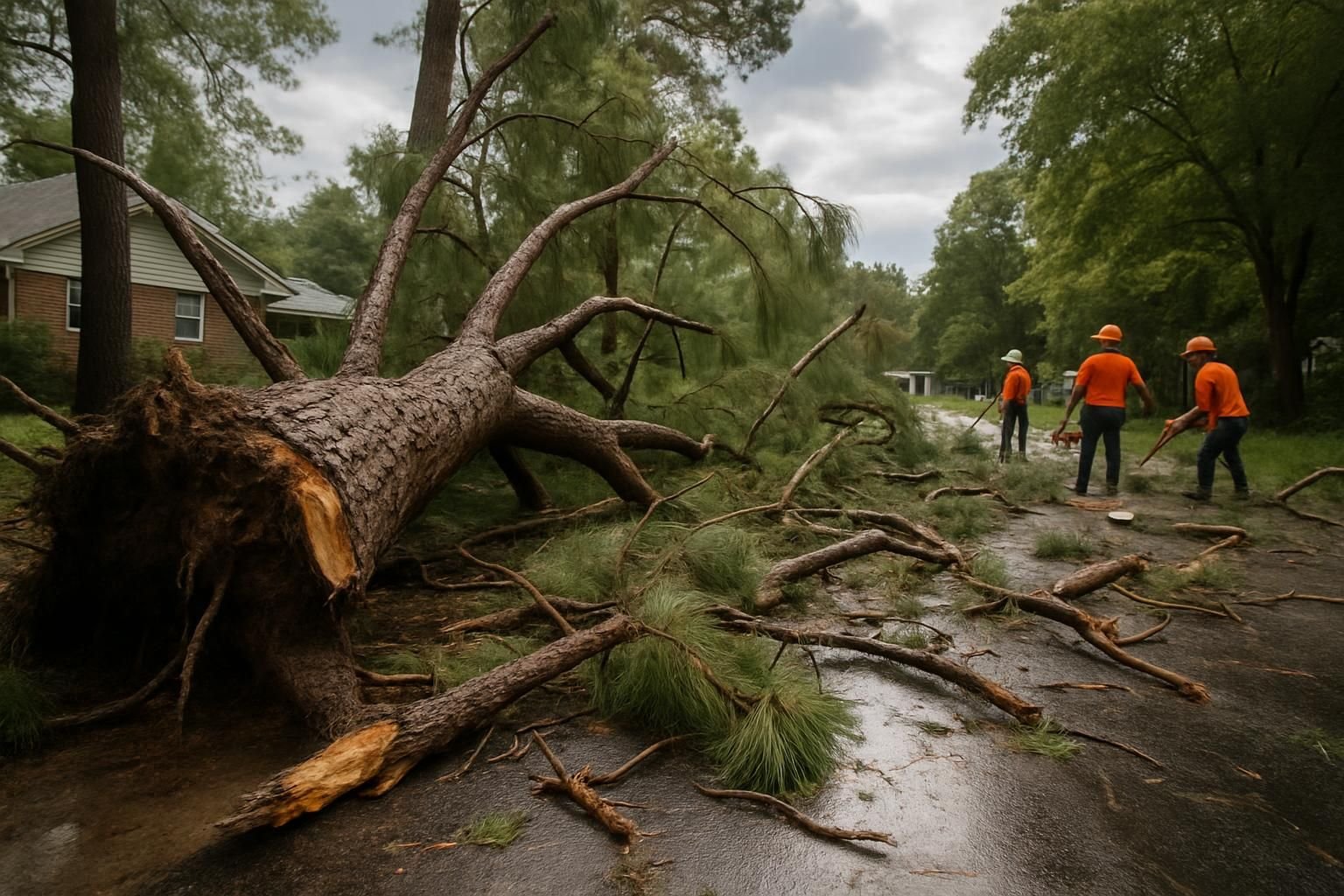
Emergency Storm Tree Removal
Fast help when a storm drops a tree on your roof, car, driveway or fence.
Learn more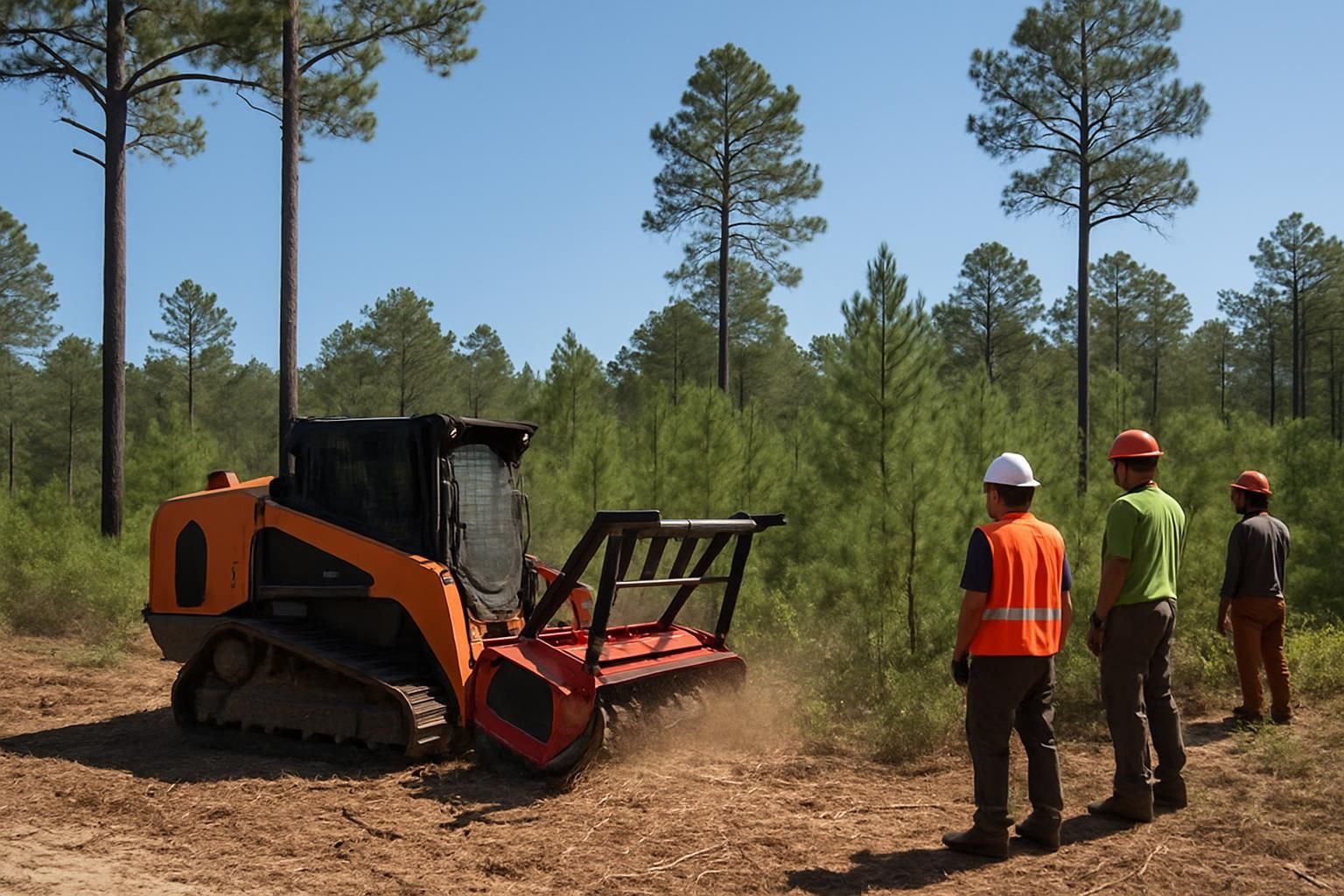
Land & Lot Clearing
Lot and brush clearing for new builds, fence lines, pastures and overgrown acreage.
Learn more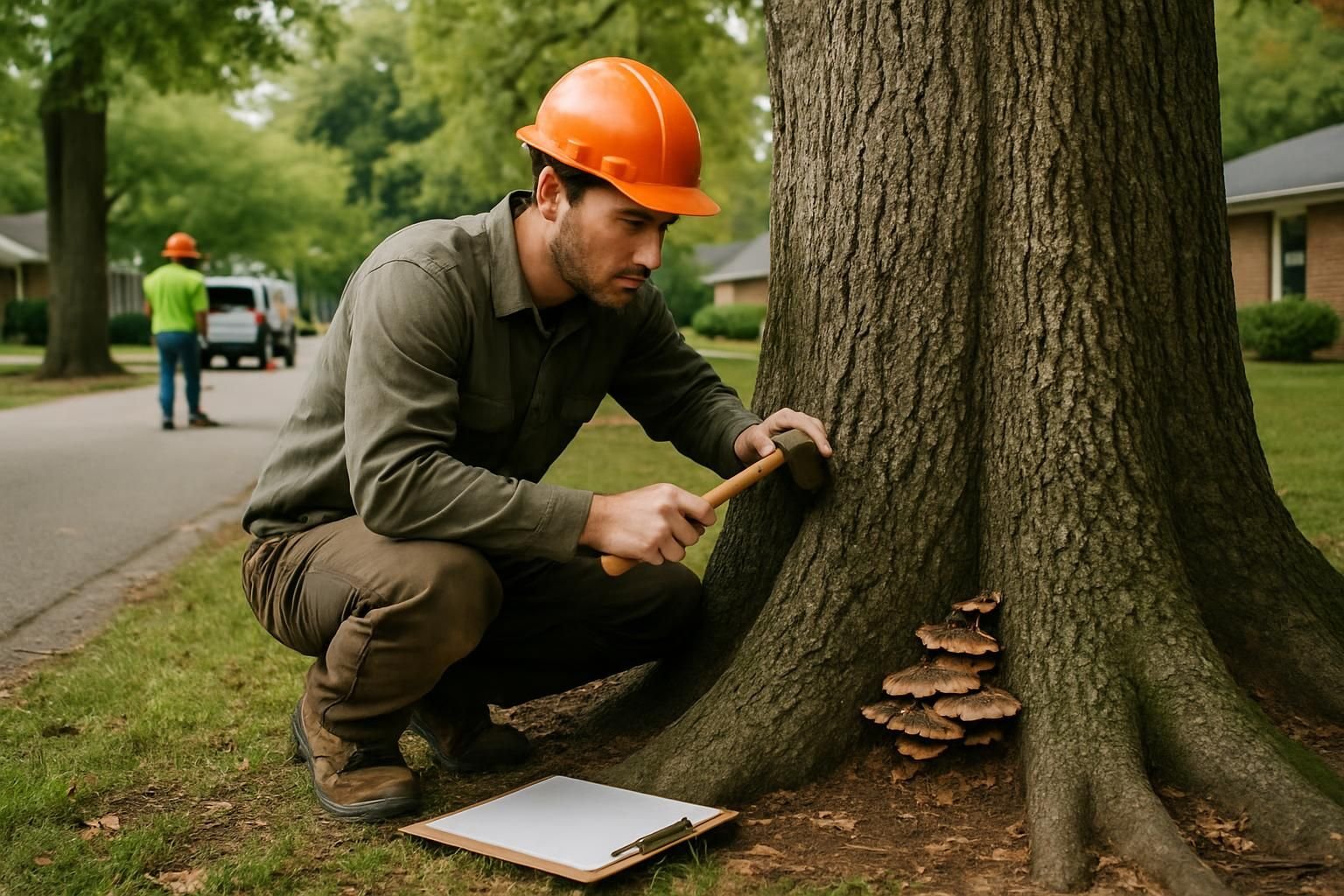
Arborist Tree Assessment
Get a tree’s health and risk checked before you decide to prune, treat or remove it.
Learn moreWhere we connect homeowners with pros
Serving all of Cumberland County
FAQ
Tree Removal FAQ
Do I need a permit to remove a tree on my property in Fayetteville?
It depends on where the tree is and where you live. Trees in the public right-of-way, in historic districts or on newly developed lots can fall under different rules. Check with the City of Fayetteville or your town or county before work starts, and check your HOA rules too. Many local tree pros can tell you what to look into, but the final answer comes from the local government.
Is stump grinding included in the tree removal price?
Usually not, unless the estimate says so. Most removal quotes cover cutting the tree down and hauling the wood and brush, leaving a stump close to the ground. Stump grinding is often priced separately at roughly $100-$400 per stump in the Fayetteville area, so ask for it as its own line item if you want it.
How long does it take to remove a tree?
A small, open-access tree can take an hour or two. A large pine or oak over a house that needs climbing and rigging can take most of a day, and crane jobs depend on setup time. Cleanup is usually done the same day for single-tree jobs.
Will homeowners insurance pay for tree removal?
It depends on your policy and the situation. Many policies help pay to remove a tree that falls on a covered structure, such as the house or a garage, but usually not for removing a healthy or dead tree before it falls. Call your insurer to confirm your coverage, and take photos of any damage before work begins.
Can I cut down a tree that is near a power line?
No. Homeowners and general tree crews should not work near energized lines. Contact the utility that serves your home, such as PWC, Duke Energy or your electric co-op, which handles line clearance. Once the lines are safe or cleared, a tree pro can handle the rest of the tree.
Ready to compare tree removal quotes?
Fill out the short form at the top of this page and local pros will reach out with free, no-obligation quotes.