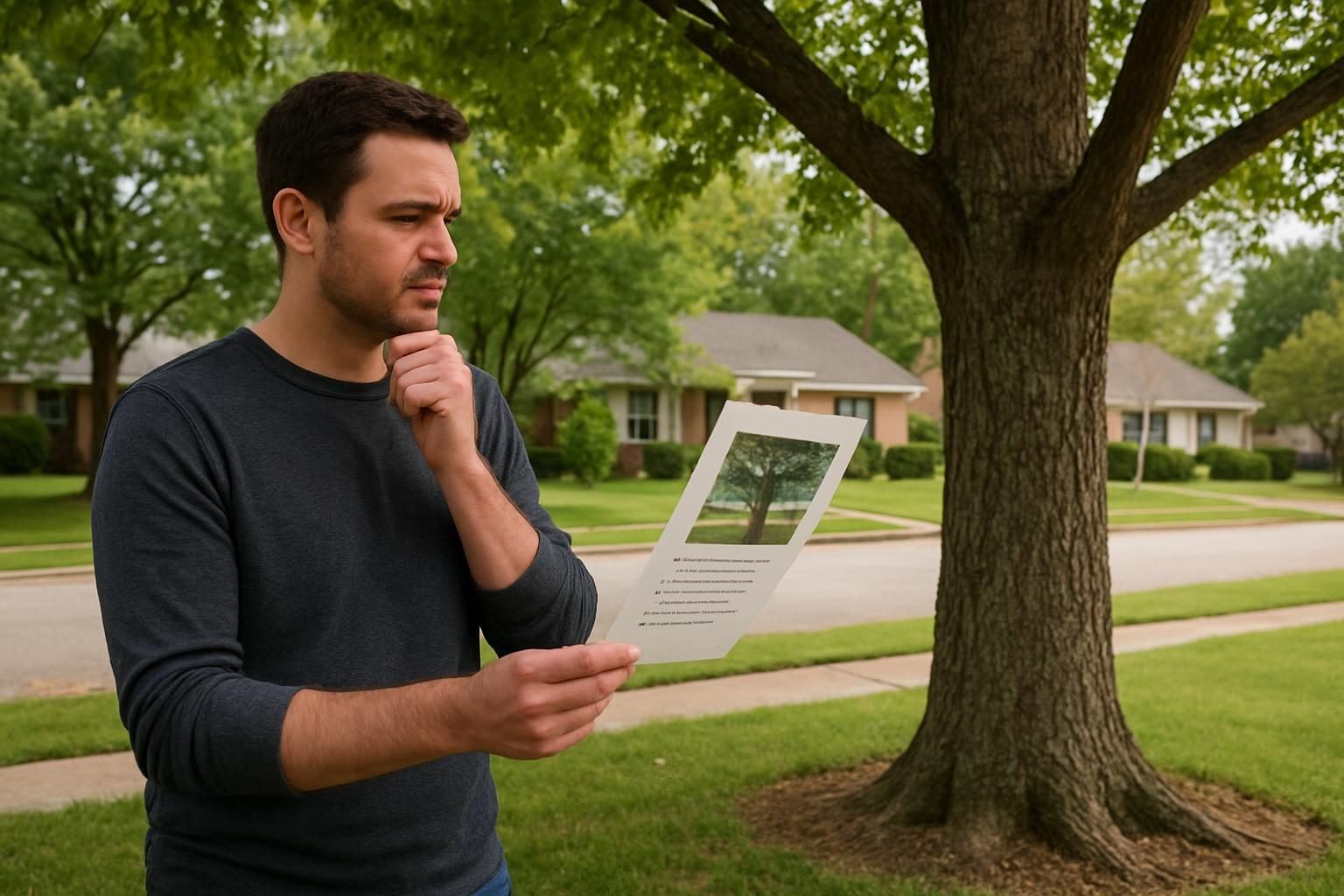
Quick answer: Tree root damage to a foundation and driveway is real but usually slower and less dramatic than people fear. Roots most often lift pavement, crack walkways and invade old or leaky pipes, and they sometimes contribute to foundation movement by changing soil moisture. Whether root pruning, tree removal or simply monitoring makes sense depends on the tree, the distance and the damage, so a pro opinion is worth getting before you decide.
Key takeaways
- Roots rarely “crack” a sound foundation by force; they more often lift driveways, walks and patios, and enter damaged pipes.
- Fayetteville’s sandy soils and dry spells can pull moisture away from the ground near big trees, which may affect nearby structures.
- Cutting large roots can destabilize or kill a tree, so pruning decisions should be made by a qualified arborist.
- Removal is one option among several, not the automatic answer.
- Get written opinions from a tree pro and, for structural or plumbing concerns, the right specialist.
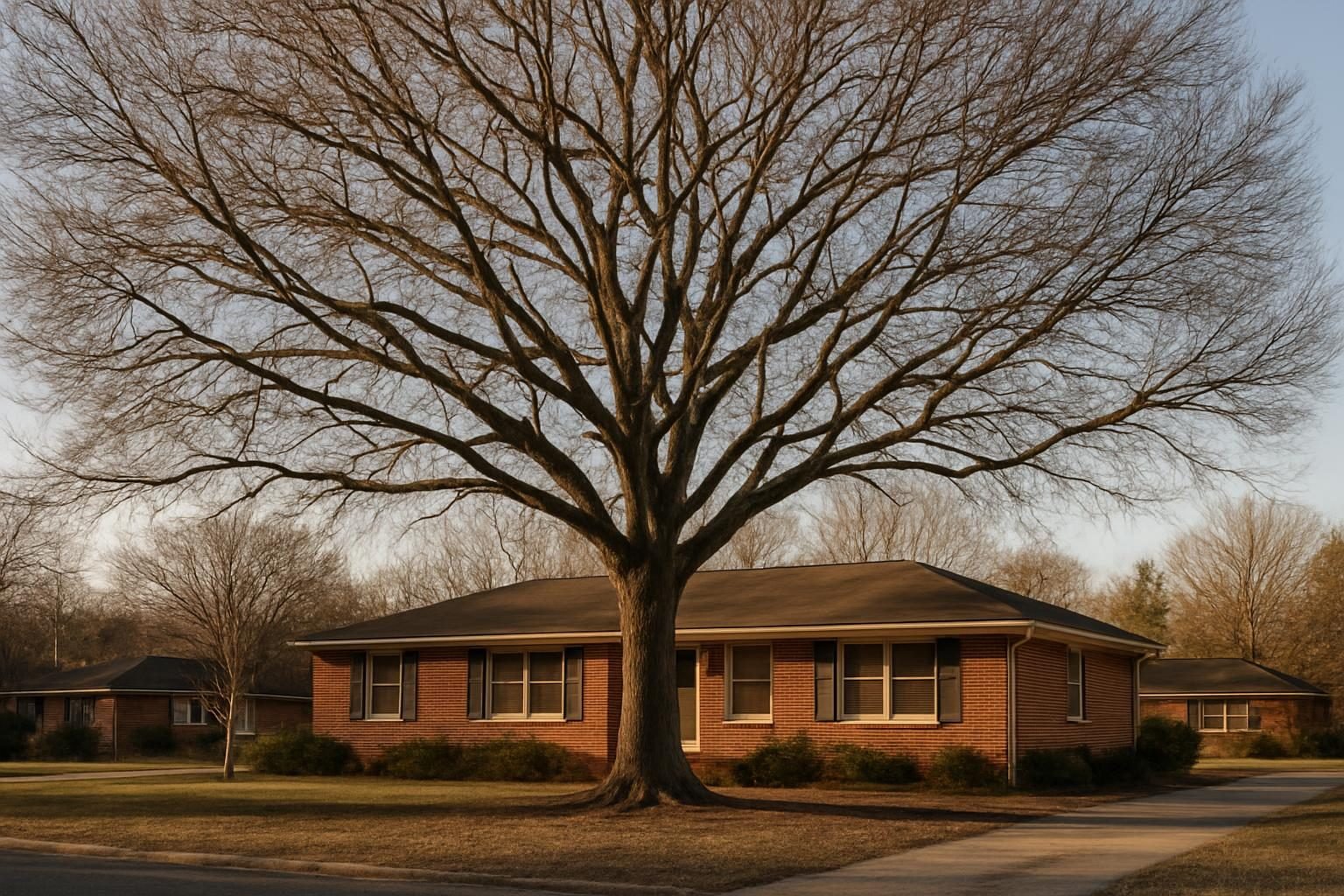
If you live in Fayetteville, Hope Mills or Spring Lake, you probably have mature oaks, pines, sweetgums or maples close to your home. They shade the yard and add value, which makes any root problem a tough call. This guide explains how roots affect hardscape and plumbing, what warning signs to look for, and how to weigh your options without guesswork.
Not sure what you are looking at? You can request a free consultation using the form on this page and compare local tree service opinions at no cost.
How Roots Actually Affect Foundations, Driveways and Pipes
Roots grow where they find oxygen and moisture, which is usually in the top 12 to 24 inches of soil. They spread far wider than most people expect, often reaching well past the edge of the canopy. That shallow, wide pattern is why driveways and walkways take the first hit.
- Driveways, sidewalks and patios: As roots thicken, they push up on slabs and pavers. Concrete cracks, lifts and creates trip hazards.
- Foundations: Direct root pressure is uncommon on a solid, well-built foundation. The more common concern is soil moisture. Thirsty trees can dry out soil under or near a slab or footing, which may contribute to settling in some soil types.
- Plumbing and sewer lines: Roots are drawn to moisture. They typically enter through existing cracks, loose joints or aging clay and cast-iron pipes, then grow into a mass that slows or blocks flow.
- Septic systems: Rural lots near Raeford and Stedman often have septic fields, where roots can clog distribution lines.
For a deeper look at the local picture, see our related guide, Are Tree Roots Damaging Your Foundation, Driveway or Sewer Line?
Warning Signs of Tree Root Damage to Your Foundation and Driveway
Root problems tend to announce themselves gradually. Catching them early gives you more options and usually lowers the cost of any fix.
Around the house
- New or widening cracks in interior drywall, especially near door and window corners
- Doors and windows that start sticking or no longer latch
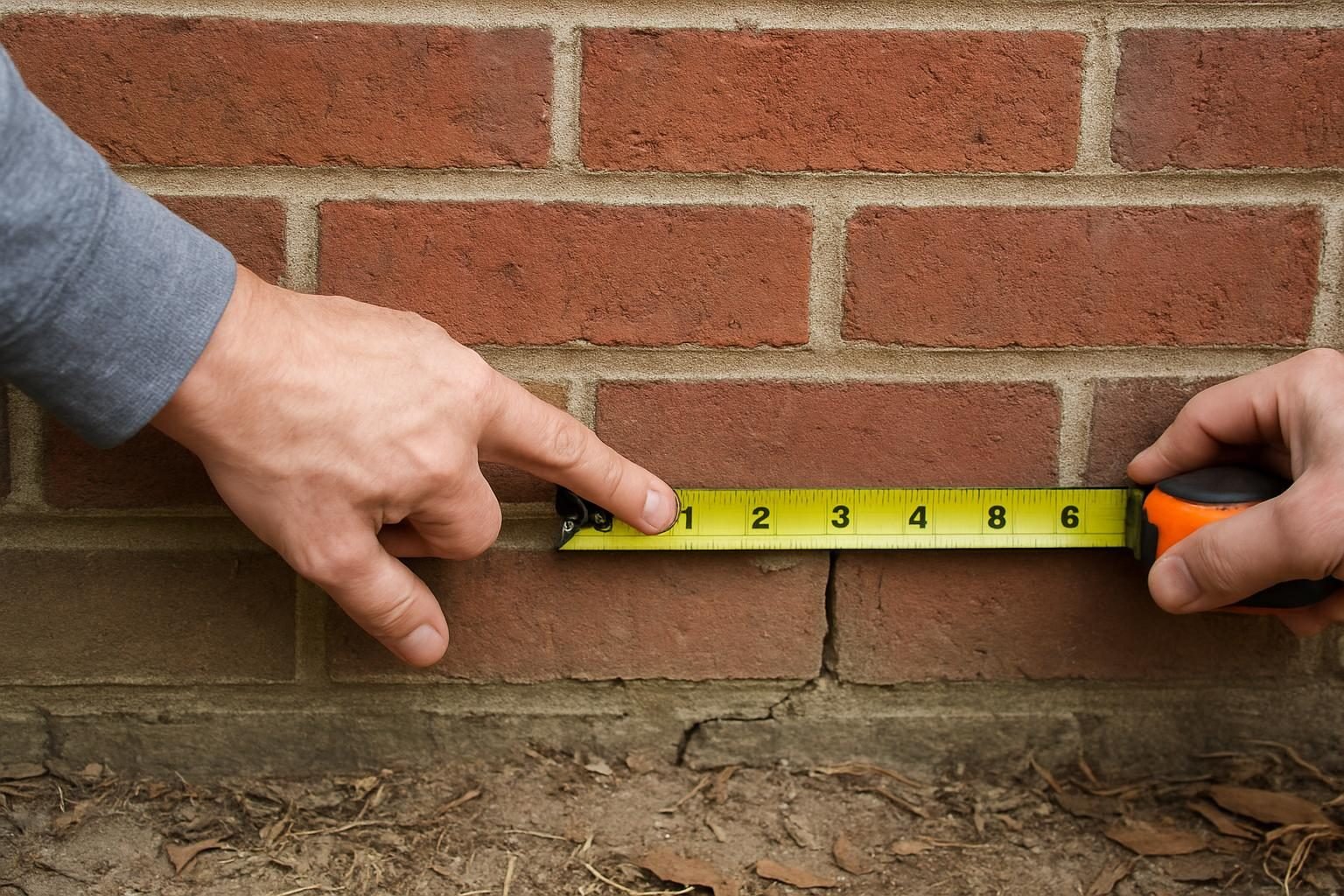
- Stair-step cracks in brick or block walls
- Gaps opening between walls and ceilings or floors
Outside
- Driveway or sidewalk slabs that are lifting, tilting or cracking near a tree
- Visible roots surfacing in the lawn or pushing up pavers
- Uneven patio or pool decking
In the plumbing
- Slow drains or gurgling toilets throughout the house
- Repeated sewer backups
- Unusually lush, green patches in the yard above a line
Pro tip: Take dated photos of cracks and measure them with a ruler every few months. A record of whether damage is stable or growing helps any professional give you a more useful opinion.
Keep in mind that cracks have many causes, including normal settling, poor drainage and construction quality. Roots are one possible factor, not the only one.
Most root damage starts small and slow, which is exactly why early documentation pays off.
Root Pruning vs. Tree Removal: How the Decision Is Usually Made
There is no single right answer, and anyone promising a guaranteed outcome is overselling. Arborists generally weigh a handful of factors.
- Tree health and species. A healthy, valuable tree is often worth trying to save. A declining or structurally weak tree may point toward removal.
- Root size and location. Cutting a large root close to the trunk can destabilize the tree or cause decline. Small roots farther out are generally lower risk to prune.
- Distance from the structure. A big tree a few feet from the house raises different concerns than one thirty feet away.
- Type and severity of damage. A slightly lifted walkway is a very different problem from recurring sewer blockages or progressive structural cracking.
- Safety. A tree that is leaning or could fail after root cutting changes the whole equation.
Your Options, From Least to Most Invasive
These are common approaches, not a prescription. Which ones fit depends on your site and the tree.
- Monitor and document: Appropriate when damage is minor and stable. Photos, measurements and a yearly check go a long way.
- Repair the hardscape: Grinding down a raised sidewalk edge or replacing a section of concrete can address trip hazards, though roots may return if the cause is not addressed.
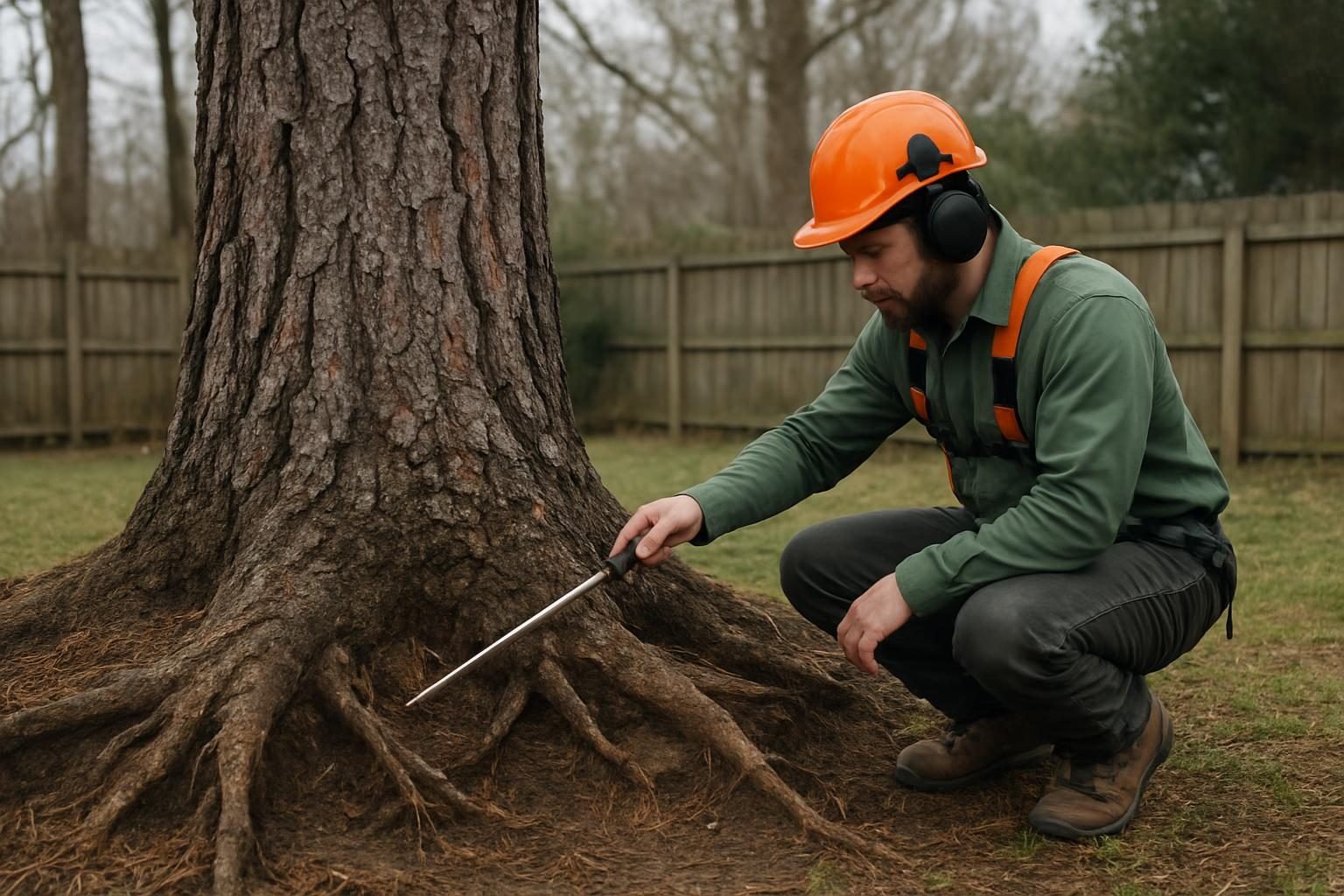
- Targeted root pruning: An arborist cuts selected roots, ideally with care taken to protect the tree’s stability. Poor pruning is one of the faster ways to harm a tree.
- Root barriers or redirected growth: Sometimes used when planting new trees, or alongside repairs, to steer roots away from pavement.
- Crown reduction or trimming: Reducing canopy weight can help a stressed tree cope, though it does not stop roots from growing. See our overview of tree trimming and pruning.
- Tree removal: The most permanent solution, usually reserved for trees that are unhealthy, unsafe or causing ongoing damage that cannot be reasonably managed. Learn more about tree removal in Fayetteville.
If a tree comes down, remember the roots do not vanish. Leaving a large stump means roots can keep sending up sprouts and eventually decay unevenly. Stump grinding removes the stump below grade, though it does not remove the entire root system, and you can compare it with other approaches in Stump Removal vs. Stump Grinding.
Removal is one tool in the box, not the automatic answer to every root complaint.
Getting a Professional Opinion Before You Cut Anything
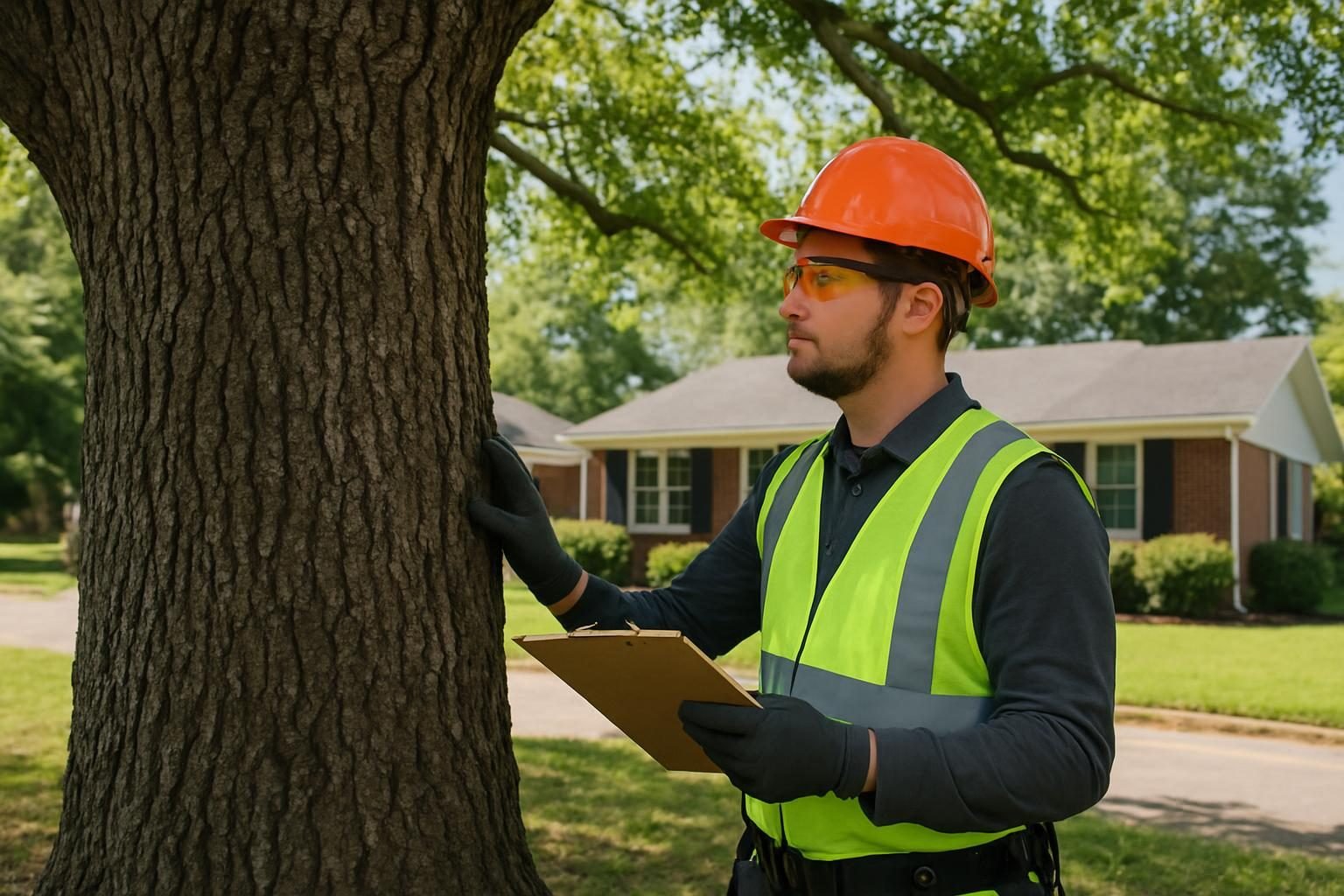
Because root work can cost you the tree, get advice before anyone picks up a saw. A certified arborist can assess whether a tree is healthy enough to tolerate pruning and whether removal is realistic. Our page on arborist tree assessment explains what that visit usually covers.
You may also need other specialists, depending on the symptoms:
- Foundation or structural cracks: A licensed structural engineer or foundation contractor can tell you whether movement is related to soil, drainage or something else.
- Slow drains or backups: A plumber can run a camera through the line to see whether roots are present and where.
- Insurance questions: Root damage coverage varies by policy, so ask your insurer directly. Our guide on homeowners insurance and tree removal covers common rules.
Questions worth asking any tree company
- Is the person assessing the tree a certified arborist?
- How will cutting roots affect this tree’s health and stability?
- What are the alternatives to removal?
- Can I see proof of insurance? (See what to verify before you hire.)
- Is the estimate written and itemized?
For hiring tips, our homeowner checklist walks through the process, and tree service cost in Fayetteville explains what typically drives pricing. As a rough estimate only, many homeowners see a simple tree consultation or assessment run from free to a few hundred dollars, while removal and root work vary widely based on size, access and risk.
Pro tip: If a neighbor’s tree is the source, check the property line rules before acting. Our article on trees on the property line in North Carolina is a good starting point.
Ready to compare options? Request a free quote through the form on this page and local tree service companies serving Fayetteville and Cumberland County can take a look.
Frequently Asked Questions
Can tree roots really crack a foundation?
It is less common than many people believe. Roots rarely break a sound foundation by pushing on it directly, but they can contribute to soil drying and movement in some conditions. An engineer or foundation specialist is the right person to determine the actual cause of cracks.
How far from the house can roots reach?
Roots commonly extend well beyond the tree’s canopy, and often a distance equal to or greater than the tree’s height, though most are concentrated in the upper soil. There is no safe universal distance, since species, soil and water availability all matter.
Is it safe to cut tree roots myself?
It is risky. Cutting major roots can weaken a tree or make it more likely to fall, especially in storms. A certified arborist can advise which roots, if any, can be pruned with reasonable safety.
Will removing the tree stop the problem?
Not always right away. Roots from a removed tree can decay over time, and some species send up sprouts from remaining roots. Removal often reduces new damage, but existing cracks and lifted pavement may still need repair, and results cannot be guaranteed.
Get a free tree root assessment or removal quote
A local tree service company will contact you with a free, no-obligation quote.