Fayetteville & Cumberland County, NC
Emergency & Storm Tree Removal in Fayetteville, NC
A tree on your roof, a pine across the driveway or a split oak hanging over the yard needs fast, careful work. We connect you with local tree pros who handle storm damage.
- Free, no-obligation quotes
- Local Cumberland County pros
- Takes about a minute
Get Free Quotes for Emergency Storm Tree Removal
Tell us what happened and where, and we’ll pass your request to local tree pros who handle storm work so they can contact you with quotes.
When a storm drops a tree on your roof, across your driveway or against your fence, you need help that is fast but not reckless. Cumberland Tree Pros is a free referral service. We don’t do the work ourselves. We connect Fayetteville and Cumberland County homeowners with independent, locally owned tree companies that handle emergency storm tree removal, so you can get quotes quickly and choose who you hire.
Safety first: if a tree or limb is touching a power line, stay away and report it to your electric provider before anyone touches the tree. If the tree has damaged your home’s structure, gas line or exits, get everyone out and call emergency services.
What emergency storm tree removal includes
Storm work covers more than cutting down a fallen tree. Depending on the damage, the tree companies we work with may handle:
- Removing a tree from a roof or structure by cutting it in sections and lowering them with ropes or a crane so the house isn’t damaged further
- Clearing downed trees blocking driveways, sidewalks, yards and access to your home
- Taking down trees that were damaged but are still standing, such as split trunks, uprooted trees with a lifted root plate, or trees leaning toward the house
- Removing hanging limbs (often called “widowmakers”) caught in the canopy
- Cleanup and hauling of wood, brush and debris, or cutting logs to length and stacking them if you want to keep firewood
- Temporary work such as getting a tree off the roof so a roofer or your insurer can tarp the damage
Signs you need emergency help, not a routine appointment
- A tree or large limb is resting on your house, garage, car or shed
- A tree is leaning noticeably more than before the storm, or soil has heaved up on one side of the base
- You can see a fresh crack or split in the trunk or a major fork
- Broken limbs are hanging over a roof, driveway, play area or walkway
- A fallen tree is blocking the only way in or out of your property
If the tree is down in an open part of the yard and threatens nothing, it can usually wait for a standard tree removal in Fayetteville at normal rates. That can save you a good amount of money.
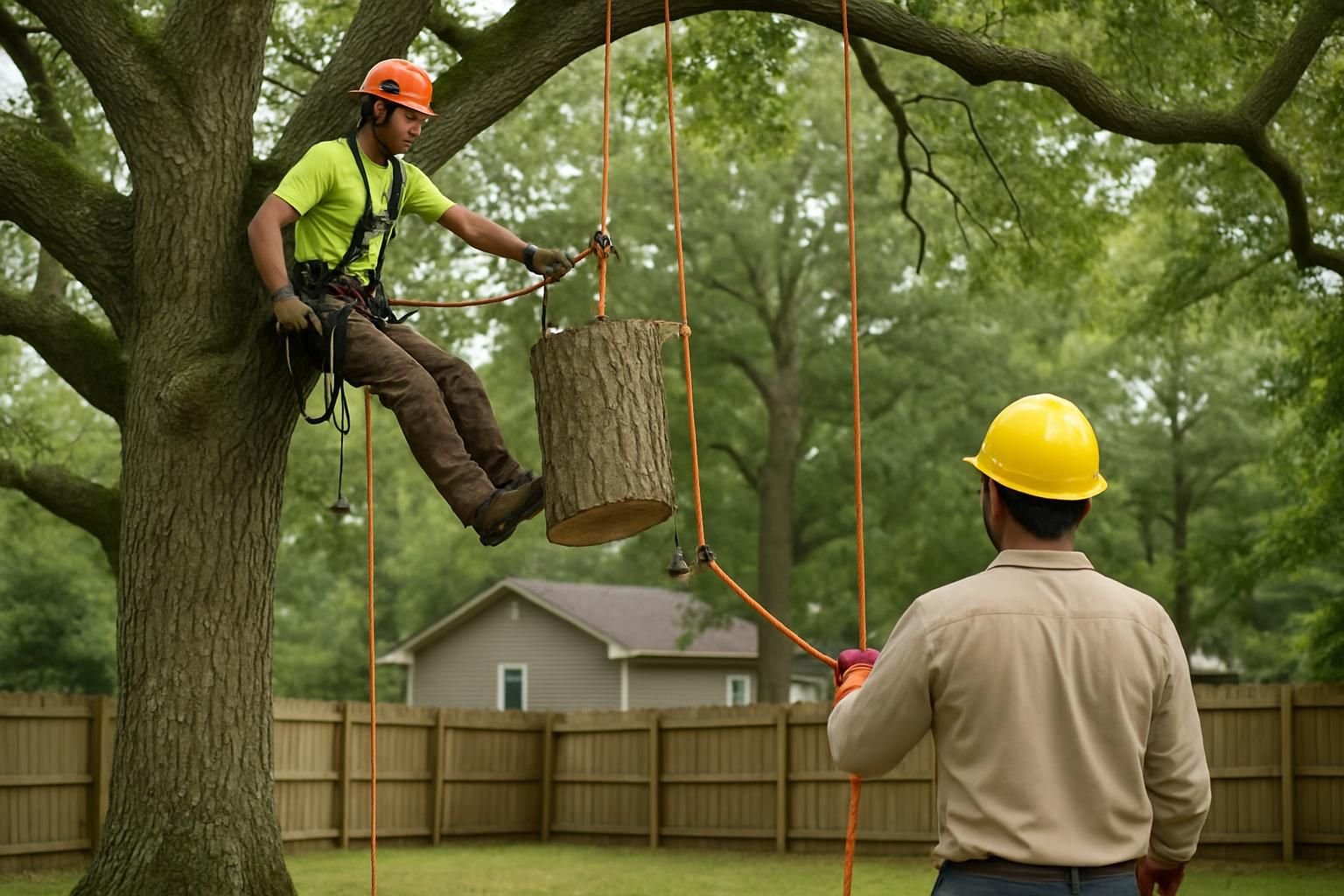
How a professional crew handles storm damage
Storm-damaged trees are some of the most dangerous trees to cut. Wood that is twisted, pinned or partly broken holds tension and can snap or spring unpredictably. Here is how a qualified crew typically works:
- Assess the scene. The crew checks for power lines, gas meters, structural damage and how the tree is loaded. They figure out which parts are under tension and which way pieces will move once cut.
- Secure the tree. On a tree resting on a house, they often tie in ropes or use a crane before cutting so pieces can’t roll or drop onto the roof.
- Remove it in controlled sections. Climbers or a bucket truck operator cut limbs and trunk pieces and lower them with rigging. Large or heavy trunks over a house may be lifted off by crane.
- Process the wood. Brush goes through a chipper, and the trunk is cut into rounds for hauling or stacking.
- Clean up. The crew rakes and blows debris and hauls it away if that is part of the quote.
Common equipment includes chainsaws, rigging ropes and lowering devices, a chipper, a bucket truck, a grapple or skid steer for moving logs, and sometimes a crane. Professional crews wear helmets, eye and hearing protection and chainsaw-resistant chaps, and they keep a clear drop zone. If the tree is on a line, they wait for the utility.
Fayetteville factors that shape storm tree work
Trees that fail here
Loblolly and longleaf pines are everywhere in Cumberland County, and tall pines catch a lot of wind. Water oaks are fast growing and often hollow by middle age, so they can snap or uproot in storms. Bradford pears split apart at their narrow forks, and sweetgums, tulip poplars and pecans drop large limbs. Pines already weakened by southern pine beetle or Ips engraver beetles, or oaks with root rot, are more likely to come down.
Sandy vs. clay soil
The county sits at the edge of the Sandhills. On the west side, toward Spring Lake, the Fort Bragg area and Raeford, deep sandy soils drain quickly but give roots less grip. Toward the Cape Fear River, heavier loam and clay soils hold water. After hurricanes like Matthew in 2016 and Florence in 2018 soaked the ground for days, many shallow-rooted pines and water oaks simply tipped over, root plate and all. If the ground around a leaning tree is cracked or raised, it may still be moving.
Storms through the year
Hurricane and tropical storm season brings the biggest waves of damage, but summer thunderstorms and occasional winter ice storms also bring down limbs and whole trees across Fayetteville, Hope Mills and Stedman. After a major storm, local tree companies are flooded with calls, so response times can stretch.
Tight lots and older neighborhoods
In older neighborhoods like Haymount, and in newer subdivisions around Lake Rim with houses close together, there is often no room to drop a tree in one piece. That means more climbing, rigging or a crane, which raises cost. Narrow driveways and soft, wet lawns can also limit where trucks can go.
HOAs, right-of-way trees and permits
Rules for trees in the public right-of-way, in historic districts, or in some HOA communities vary. If a tree is near the street or you live in an HOA, check with the City of Fayetteville, your town or county, or your HOA before non-emergency removal. Immediate hazards are usually handled first, but keep photos in case anyone asks later.
We connect homeowners across the area, including tree service in Hope Mills, tree service in Spring Lake and tree service in the Fort Bragg area for off-post homes. On-post family housing tree issues go through the installation housing office.
What emergency storm tree removal costs in Fayetteville
The figures below are estimates for the Fayetteville area. Actual prices vary by tree size, access, hazards and cleanup, and a written quote is what decides your cost.
| Job | Typical normal-rate estimate | Emergency storm note |
|---|---|---|
| Small tree down (under 30 ft) | $250-$700 | Often 1.5x-3x normal rates when urgent |
| Medium tree (30-60 ft) | $600-$1,500 | Higher if pinned, split or blocking access |
| Large tree (60-80+ ft) | $1,200-$3,000+ | Higher with heavy rigging or poor access |
| Tall pine or oak on or over a house (rigging or crane) | $1,800-$5,000+ | Crane time and roof protection add cost |
| Hanging or broken limb removal | $250-$900 per tree | Large mature oaks can run $800-$1,800+ |
| Stump grinding afterward | $100-$400 per stump | Often about $3-$5 per inch of diameter, $100-$150 minimums |
| Arborist check of damaged trees | $100-$350 | Useful for trees that are standing but questionable |
Main price drivers
- Urgency and timing: nights, weekends and the days right after a big storm cost more
- What the tree hit: a tree on a roof needs far more care than one in the yard
- Size and species: tall pines and heavy oaks take more time and equipment
- Access: backyard trees on tight lots may need climbing, rigging or a crane
- Tension and damage: twisted, split or pinned wood is slower and riskier to cut
- Cleanup scope: full hauling costs more than leaving logs or chips on site
For more detail on everyday pricing, see our tree service cost guide for Fayetteville.
How to choose a tree pro after a storm
Storms bring out door-knockers and out-of-town crews looking for quick cash. Some are fine, but some cut corners or carry no insurance. North Carolina has no statewide license for tree service companies, so asking the right questions matters.
Questions to ask
- Can you show proof of general liability and workers’ compensation insurance? Ask for certificates, not just a verbal yes. Without coverage, an injury on your property can become your problem.
- Will you give me a written estimate? It should spell out what is removed, how, and what cleanup is included.
- How will you get the tree off my house without more damage? Listen for rigging, lowering or crane plans, not “we’ll just drop it.”
- Is hauling, log removal and stump grinding included? These are often extra.
- Does anyone on the crew hold ISA Certified Arborist credentials? It is voluntary, but helpful for judging trees that are damaged but still standing.
- When do you need payment? Be cautious of anyone demanding large cash payments up front.
If you have a tree that survived the storm but looks wrong, an arborist tree assessment can help you decide whether it needs to come down or can be saved with pruning.
Rather than calling around while your phone battery runs low, you can request free quotes from local tree pros in one step.
What happens on job day
- Before the crew arrives: take photos of the damage for your insurer, move cars out of the way if you safely can, and keep kids and pets inside.
- Walkthrough: the crew lead confirms the plan, where equipment will go and where wood will be dropped or stacked.
- The work: expect noise from saws and the chipper. Stay out of the work zone even if it looks quiet. Rigged pieces can move suddenly.
- Roof protection: once the tree is off, you may need a roofer or tarp service for the opening. Some homeowners line this up while the tree crew is scheduled.
- Final check: walk the property with the crew lead before they leave and confirm everything in the written estimate was done.
Cleanup and what’s left behind
Ask in advance what “cleanup” means. It can range from a full haul-away with raking and blowing to simply cutting the tree into rounds and leaving them at the curb. Heavy equipment on wet ground can leave ruts in the lawn, so ask how the crew plans to limit that.
The stump usually stays unless you pay for removal. Once the urgent work is done, you can schedule stump grinding in Fayetteville at normal rates.
If a storm has left a tree on your home or blocking your driveway, don’t wait for it to settle. Tell us what happened and we’ll connect you with local tree pros who handle emergency storm tree removal in Fayetteville and the surrounding area.
Latest emergency storm tree removal guides
-
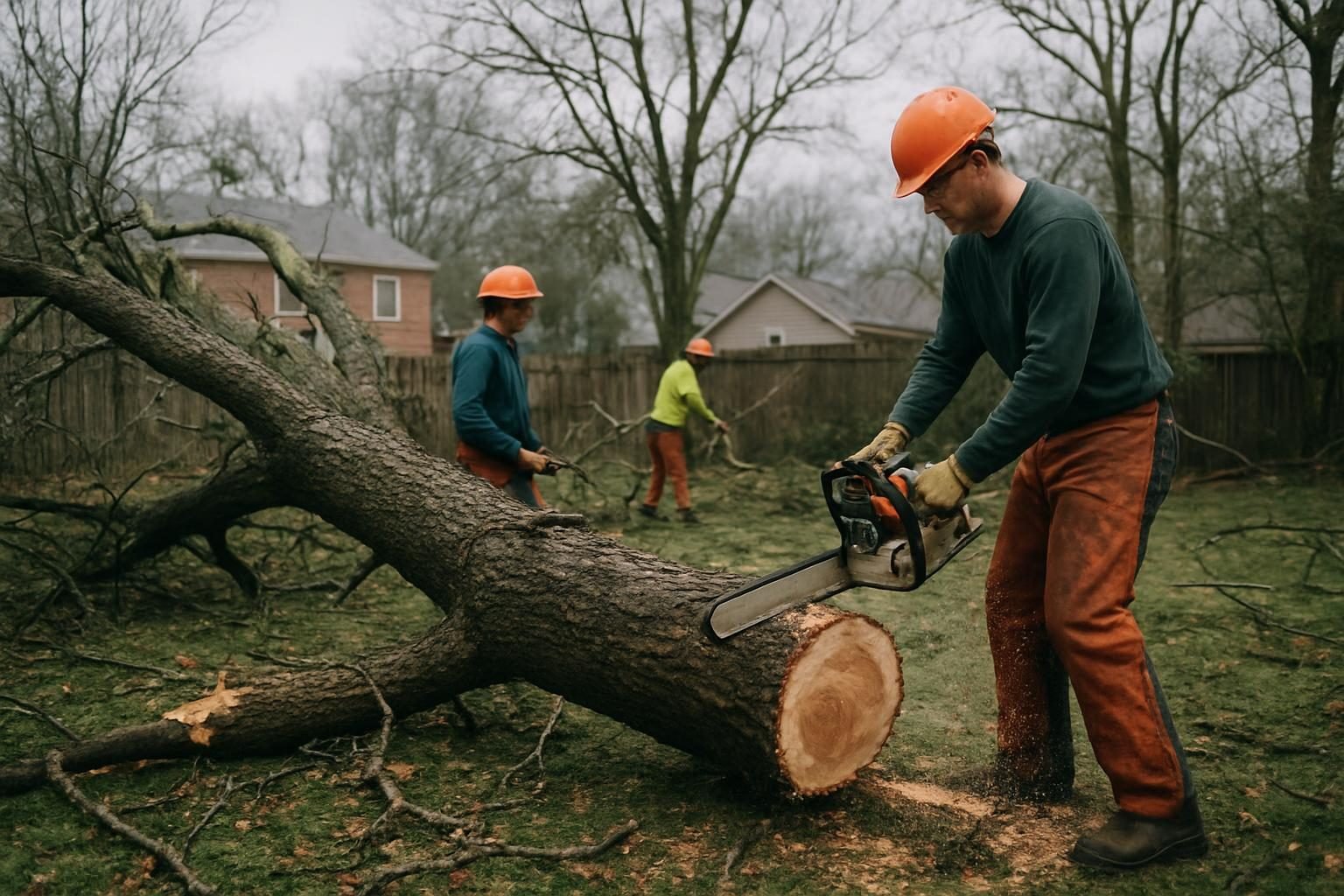
Emergency Tree Removal Cost After a Storm in Fayetteville
What emergency tree removal costs in Fayetteville, NC after a storm: why rates run 1.5x-3x higher, crane jobs, insurance basics,…
-
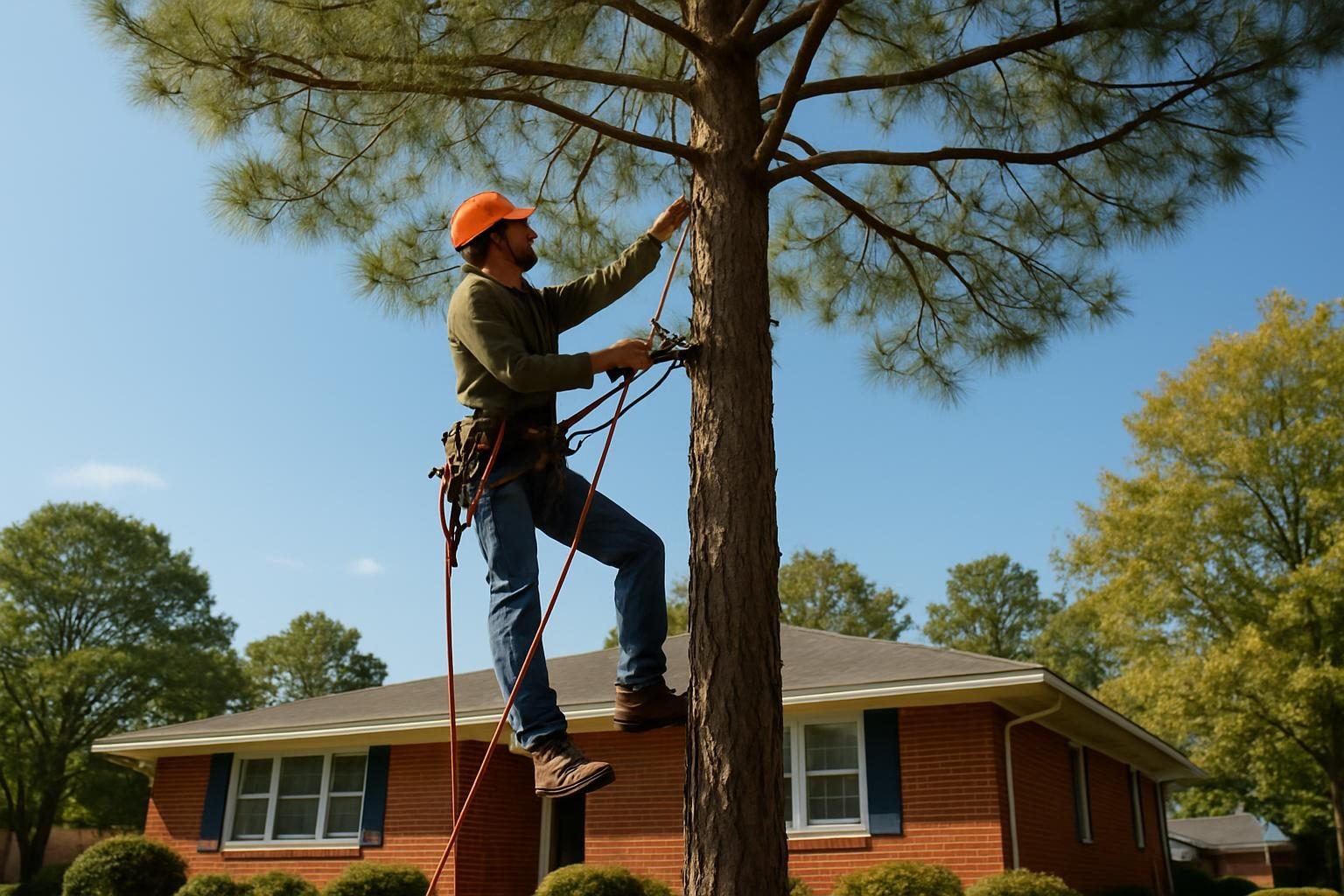
Hurricane Tree Prep Checklist for Fayetteville Homeowners
A hurricane tree prep checklist for Fayetteville, NC homeowners: inspect pines and water oaks, remove deadwood, thin crowns, and know…
-
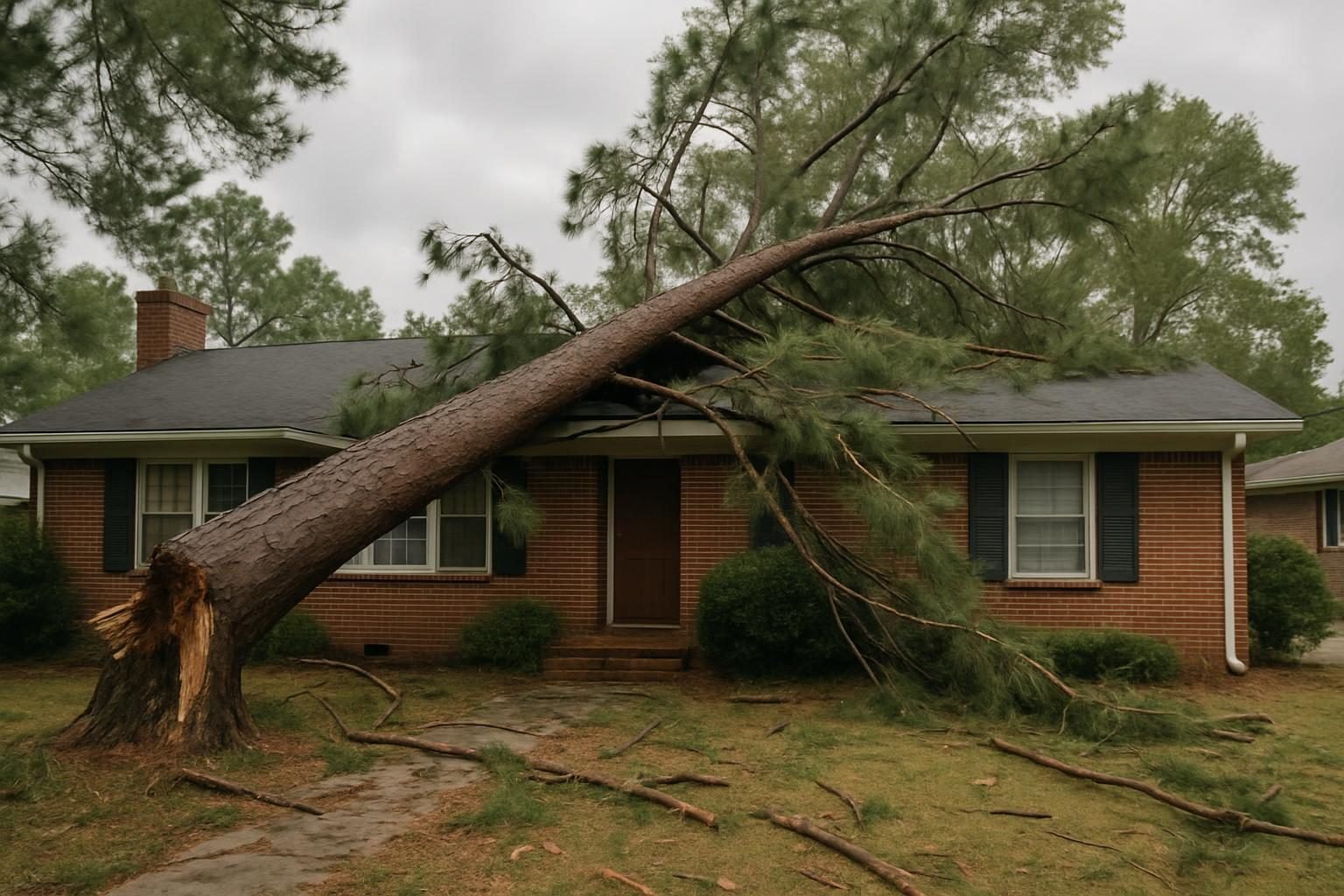
Does Homeowners Insurance Cover Tree Removal in North Carolina?
Does homeowners insurance cover tree removal in North Carolina? Learn when policies help, common debris limits, what’s excluded, and how…
More services
Other tree services in Fayetteville
Tree Removal
Safe removal of dead, leaning or unwanted trees, including tight spots near homes and power lines.
Learn more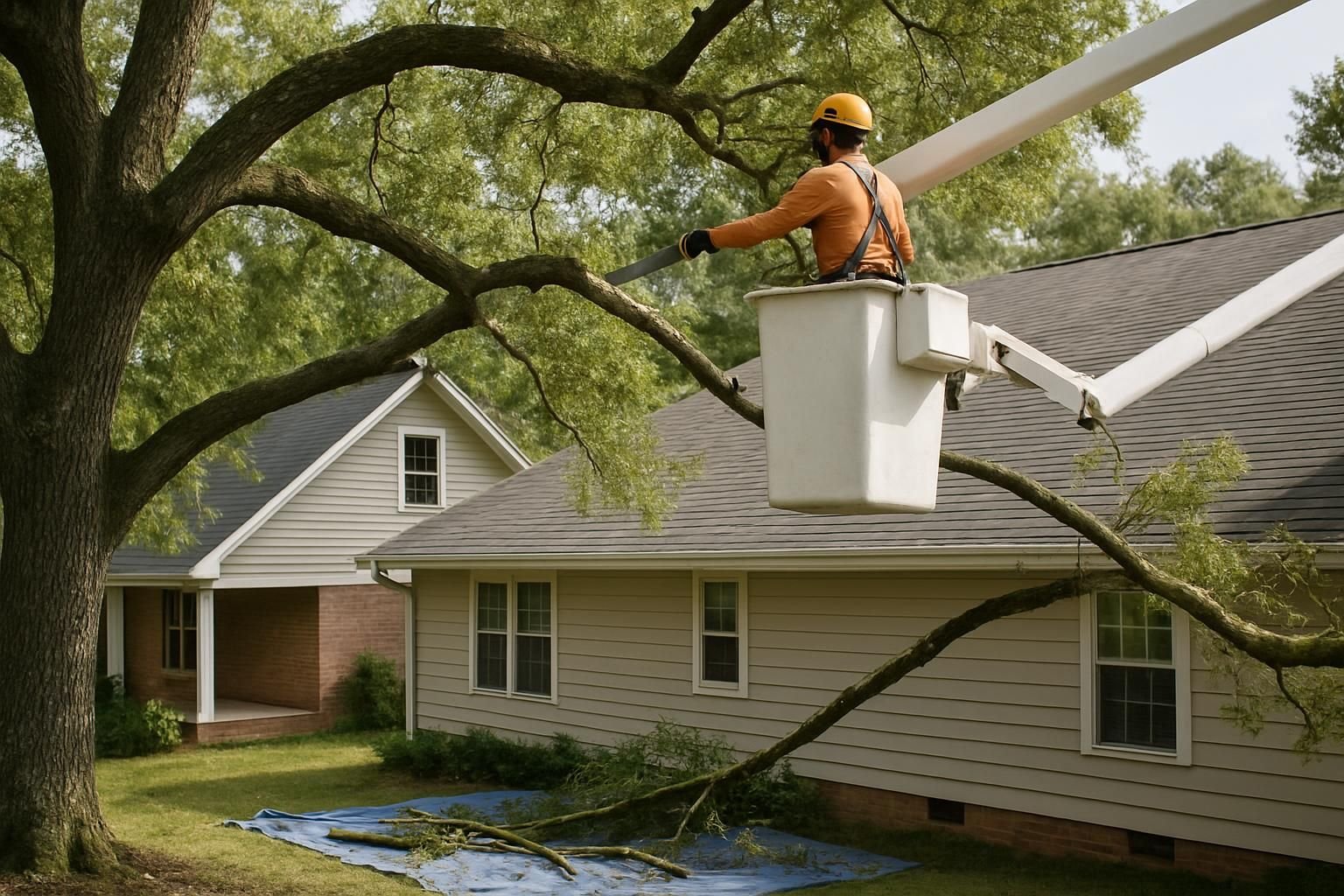
Tree Trimming & Pruning
Crown thinning, deadwood removal and clearance pruning that keeps trees healthy and roofs clear.
Learn more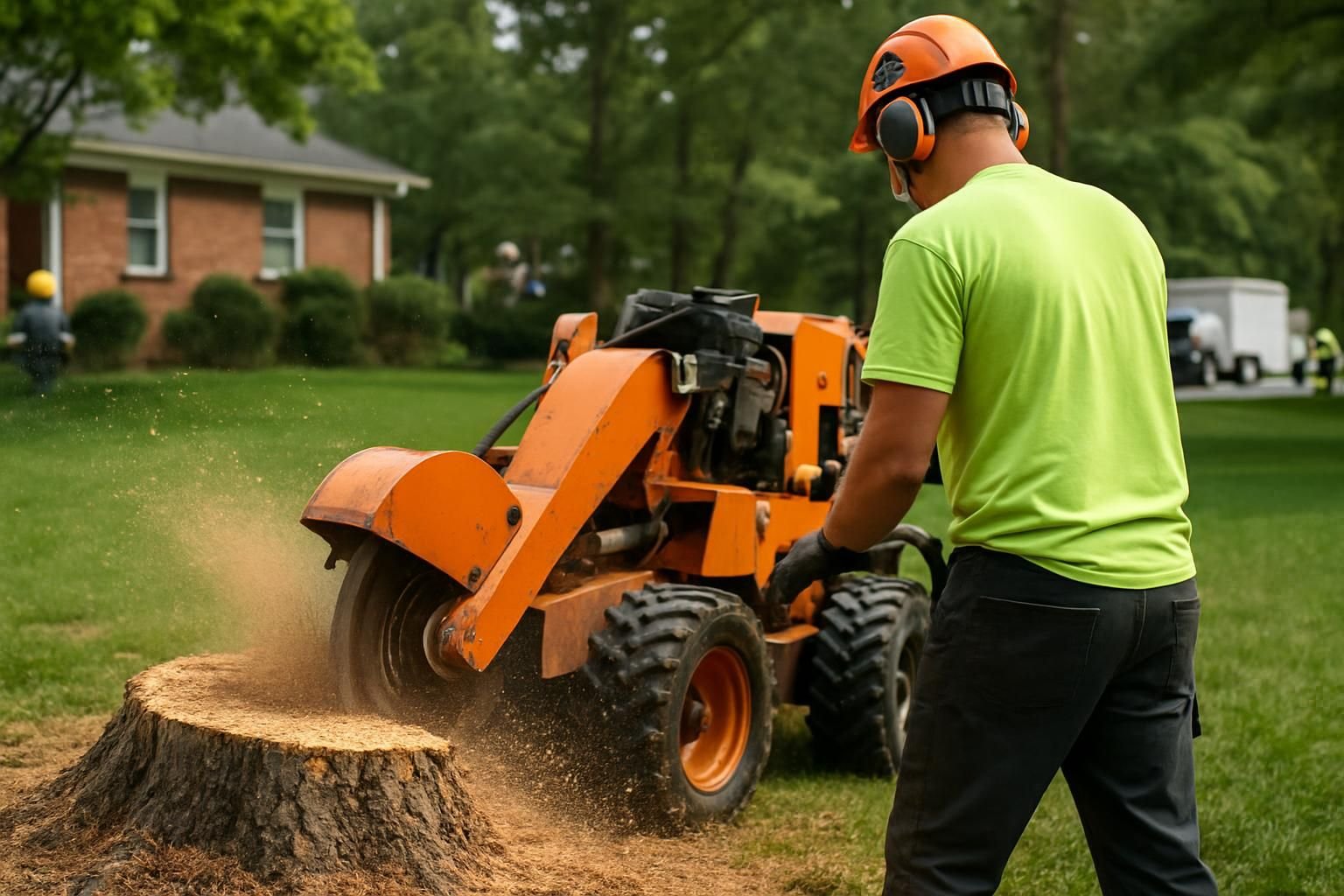
Stump Grinding
Grind stumps below grade so you can replant, reseed, pave or build.
Learn more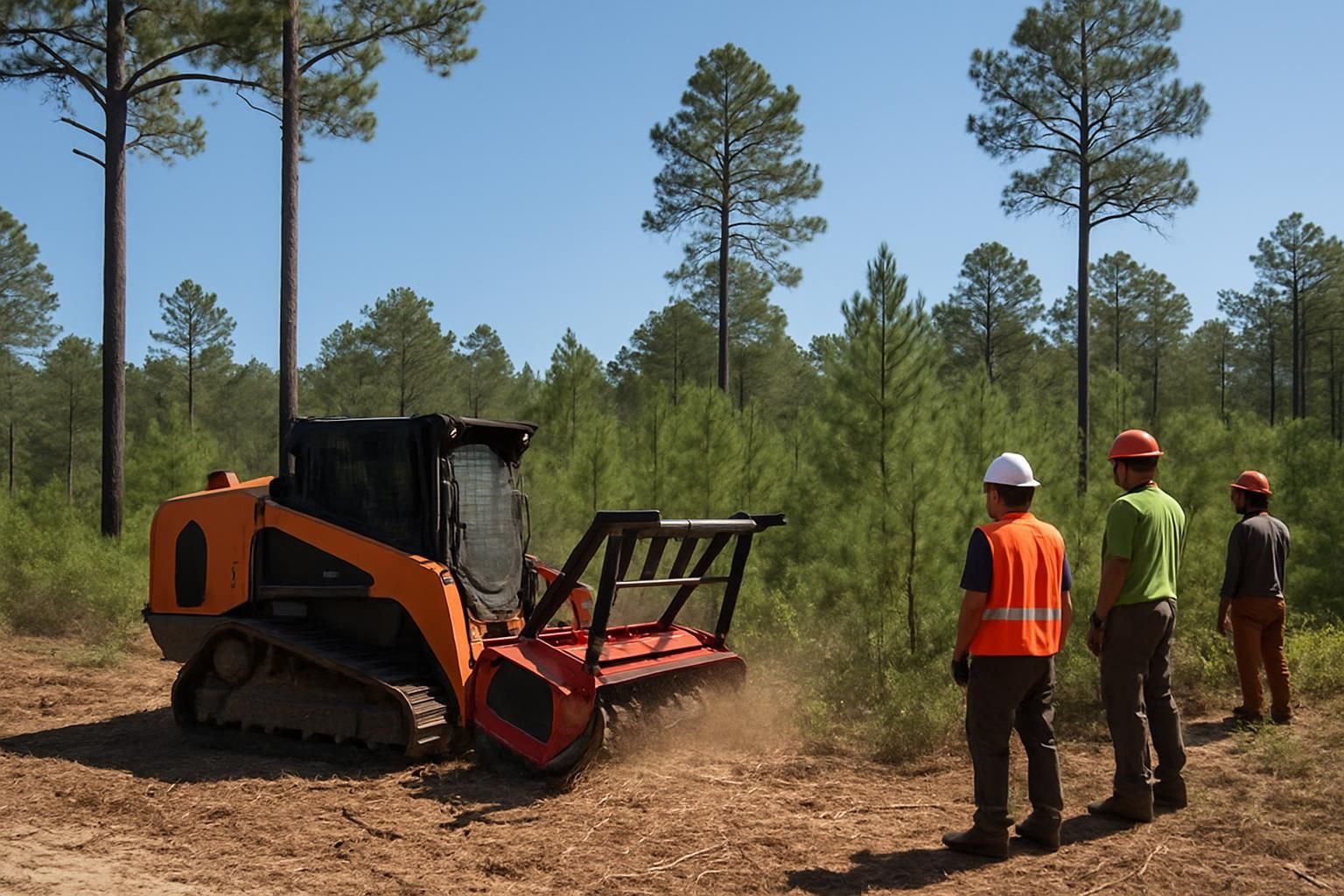
Land & Lot Clearing
Lot and brush clearing for new builds, fence lines, pastures and overgrown acreage.
Learn more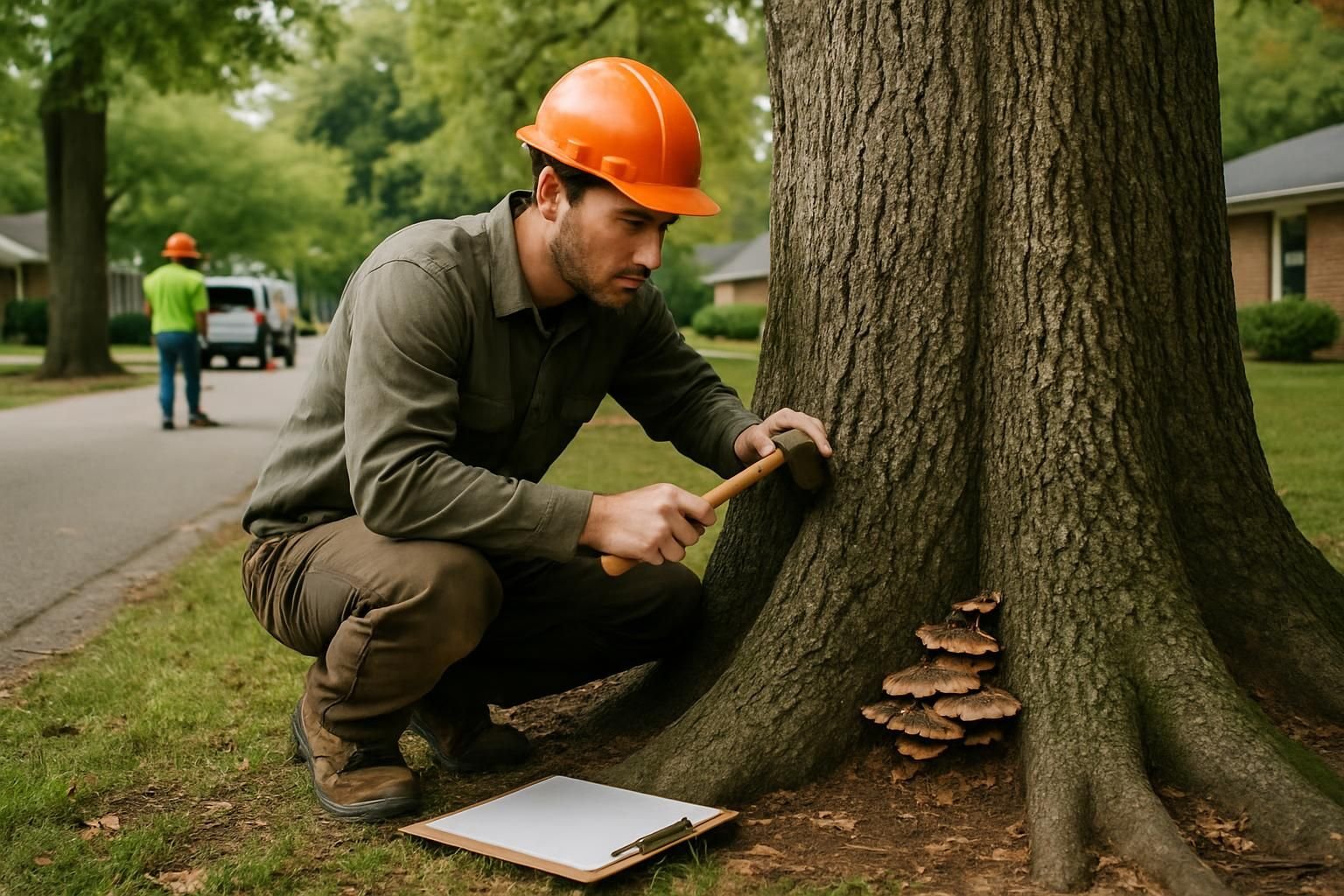
Arborist Tree Assessment
Get a tree’s health and risk checked before you decide to prune, treat or remove it.
Learn moreWhere we connect homeowners with pros
Serving all of Cumberland County
FAQ
Emergency Storm Tree Removal FAQ
How fast can someone come out after a tree falls in Fayetteville?
It depends on the storm and how many homes were hit. After a small thunderstorm, a local tree pro may be able to come the same day or the next day. After a hurricane or ice storm, crews prioritize trees on houses and blocked exits, so less urgent work can wait several days or longer. Describe the damage clearly when you request quotes so the urgent jobs are recognized.
What should I do if a tree is touching a power line?
Stay well away from the tree and the line, keep kids and pets back, and treat the line as energized. Report it right away to your electric provider, which may be PWC, Duke Energy or a co-op such as Lumbee River EMC or South River EMC. The utility handles line clearance, and a general tree crew should only start once the line is safe.
Will homeowners insurance pay for storm tree removal?
Coverage varies by policy, so check with your insurer before assuming anything. Many policies treat a tree that hits a covered structure differently from a tree that falls in an open yard. Take photos before work begins, keep the written estimate and invoice, and ask the tree company for an itemized bill your adjuster can review.
Why does emergency tree removal cost more than a normal removal?
Storm work often means off-hours calls, damaged or tensioned wood that is harder to cut safely, rigging around a damaged roof and crews stretched across many jobs. Emergency work commonly runs about 1.5 to 3 times normal rates in the Fayetteville area. These are estimates, and a written quote from the company is what actually sets your price.
Does storm cleanup include the stump?
Usually not by default. Most storm removal quotes cover cutting the tree down or off the structure and hauling or piling the wood and debris, while stump grinding is priced separately. Ask whether the quote includes hauling, log removal, raking and stump grinding so you can compare companies accurately.
Ready to compare emergency storm tree removal quotes?
Fill out the short form at the top of this page and local pros will reach out with free, no-obligation quotes.