Quick answer: Once your crepe myrtle has broken dormancy and put out new leaves, it is too late for the heavy cuts, such as shortening limbs or reshaping the canopy. Those cuts remove growth the tree already spent energy on and tend to reduce summer blooms. Deadwood, broken limbs, and safety cuts are still fine at nearly any time of year.
Key takeaways
- After leaf-out, skip heavy pruning and reshaping; wait for the next dormant season.
- Dead, broken, rubbing, or hazardous limbs can be removed any time.
- Suckers at the base are fair game year-round and cost the tree nothing.
- Light summer snips after the first bloom flush are acceptable, but don’t cut into big wood.
- Never “top” a crepe myrtle, no matter the season; it hurts structure and flowering.
If you’ve walked out in a Fayetteville yard in April or May and noticed your crepe myrtle is already leafing out, you’re probably wondering whether you missed your window. You may have, for the big stuff. But there’s still plenty you can do safely, and some things that are smarter to leave alone until winter.
Not sure what your tree needs? You can request a free consultation using the form on this page and have a local tree pro take a look.
Is It Too Late to Prune Crepe Myrtles After They Leaf Out?
For structural or shaping pruning, yes. The practical cutoff isn’t a calendar date; it’s the tree itself. Once buds swell and new leaves open, the window for major cuts has closed for the year.
Here’s a simple way to read the tree:
- Bare branches, no swelling buds: You’re still in the dormant window. Pruning is fine.
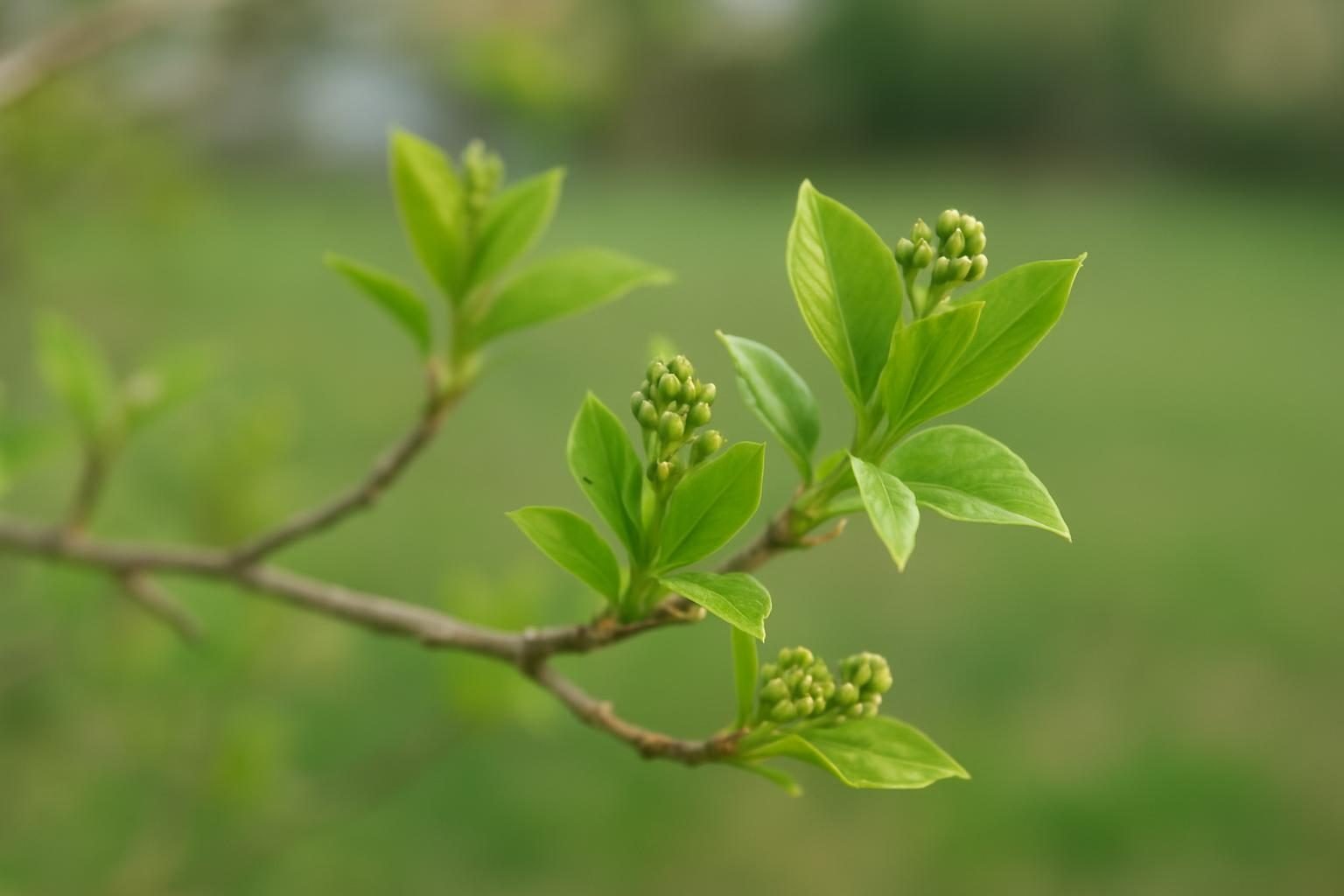
- Buds swelling or just starting to open: You’re at the edge. Finish quickly or hold off on anything major.
- Leaves open and growing: Skip heavy pruning. Limit yourself to deadwood and safety cuts.
- Flower buds forming or blooming: Leave the canopy alone except for hazards.
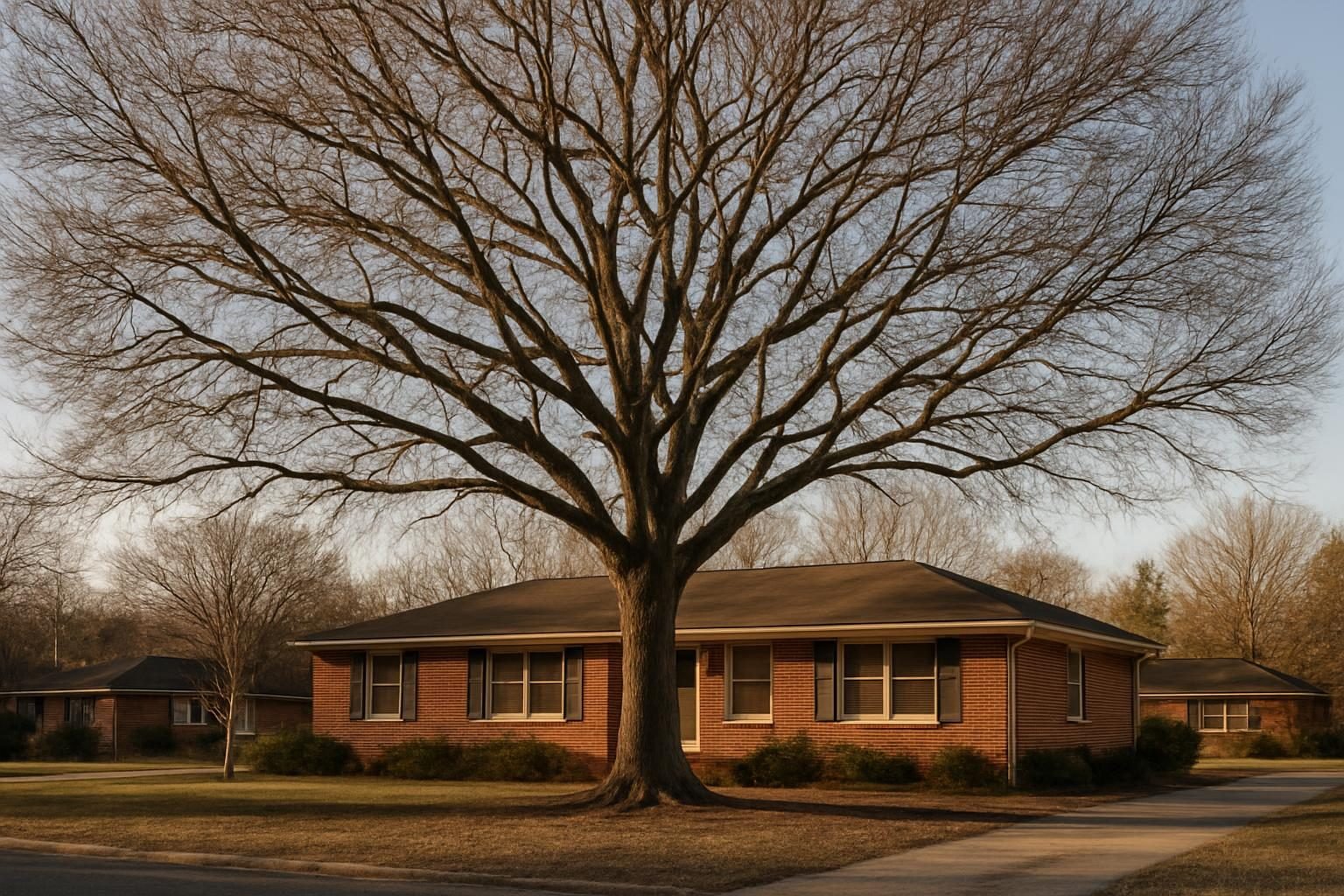
Because our winters in Cumberland County are mild and spring can arrive early, crepe myrtles around Fayetteville, Hope Mills, and Stedman sometimes wake up sooner than homeowners expect. Watch the tree, not the calendar. For the full timing picture, see our guide on when to prune crepe myrtles in North Carolina.
What Happens When You Prune After Growth Starts
Crepe myrtles bloom on new wood, meaning the flowers form on growth produced this season. That makes them forgiving, but it doesn’t mean late pruning is free.
Cutting after growth begins can cause:
- Delayed or reduced blooming. You remove growth that was already on its way, and the tree has to start over.
- Wasted energy. The tree spent stored reserves pushing out leaves and shoots you just removed.
- Weak, whippy regrowth. Heavy cuts trigger clusters of thin shoots that can flop under the weight of the blooms.
- Stress in summer heat. Large open wounds and sudden loss of leaf area don’t help a tree heading into a hot, dry stretch.
The tree usually survives. It just looks worse and blooms later or lighter than it would have if you’d waited. That’s why most pros treat late-season heavy cutting as a “wait until next winter” situation.
Crepe myrtles rarely die from late pruning, but they often pay for it in weaker structure and fewer blooms.
What You Can Still Cut in Spring and Summer
Plenty of tasks are fine once the tree is in leaf. These cuts remove problems rather than healthy growth:
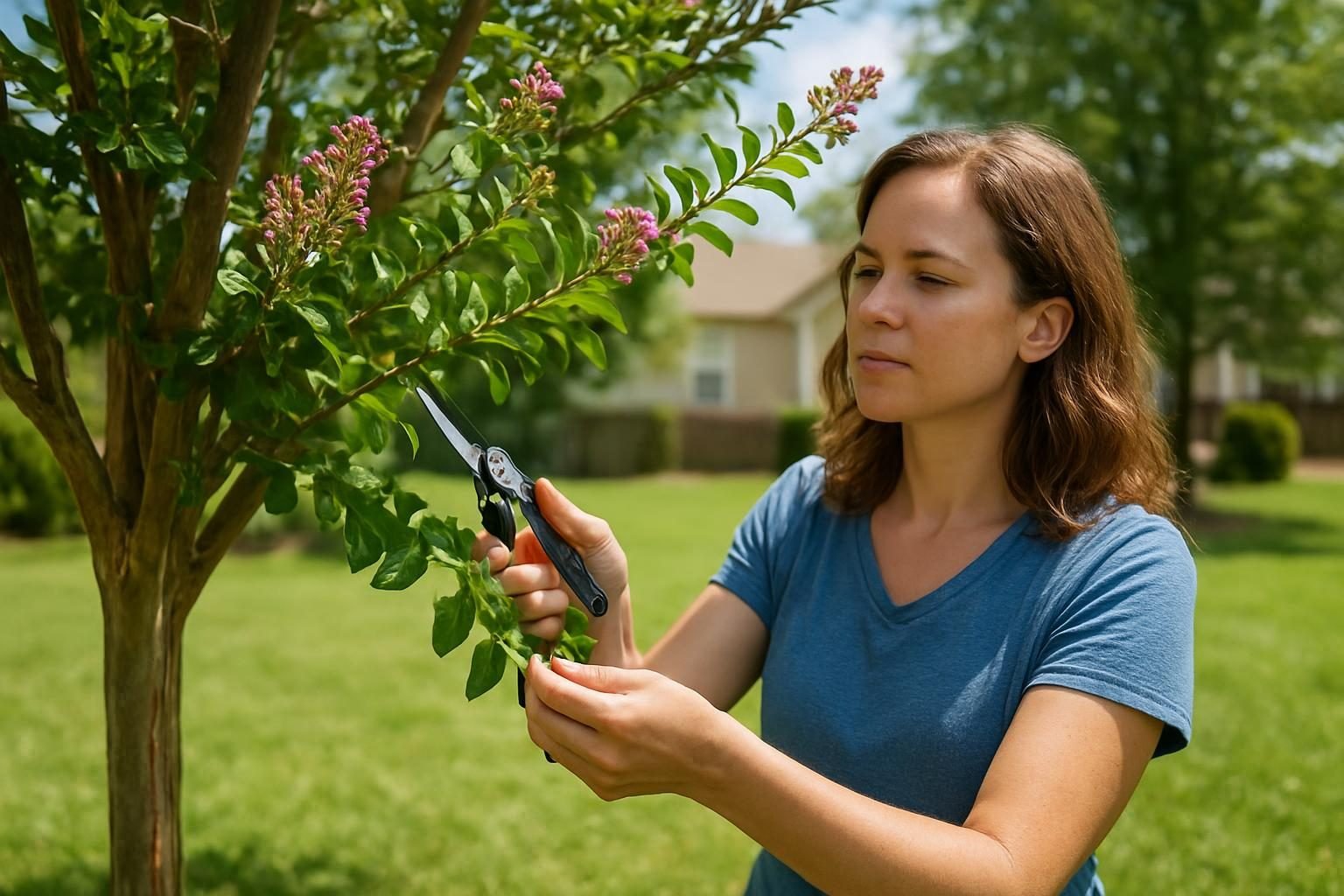
- Dead branches. Easy to spot in leaf-out because they stay bare while the rest of the tree fills in. Cut back to healthy wood or the parent branch.
- Broken or hanging limbs. Storm damage doesn’t wait for dormant season. Clean cuts reduce the chance of tearing bark.
- Crossing or rubbing branches. If two limbs are wearing a wound into each other, remove the weaker one.
- Base suckers. Shoots sprouting from the roots or lower trunk can be removed at any time. We cover these in more detail in our planned article on crape myrtle suckers.
- Clearance cuts. Branches touching a roof, rubbing a gutter, or blocking a walkway can be shortened or removed.
- Spent flower clusters. After the first bloom flush, snipping off seed heads can sometimes encourage a lighter second round of flowers.
Pro tip: Make every cut just outside the branch collar, the slightly swollen ring where a limb meets its parent. Skip wound paint; trees seal cuts on their own.
What to Wait On Until the Next Dormant Season
Hold off on anything that changes the overall shape or size of the tree. Save these for winter, when the tree is leafless and you can see its structure clearly:
- Thinning the canopy. Removing multiple interior branches for shape.
- Reducing height. Any attempt to bring down an overgrown tree.
- Converting a multi-stem bush into a tree form. Selecting trunks and removing the rest is cleaner when you can see the whole framework.
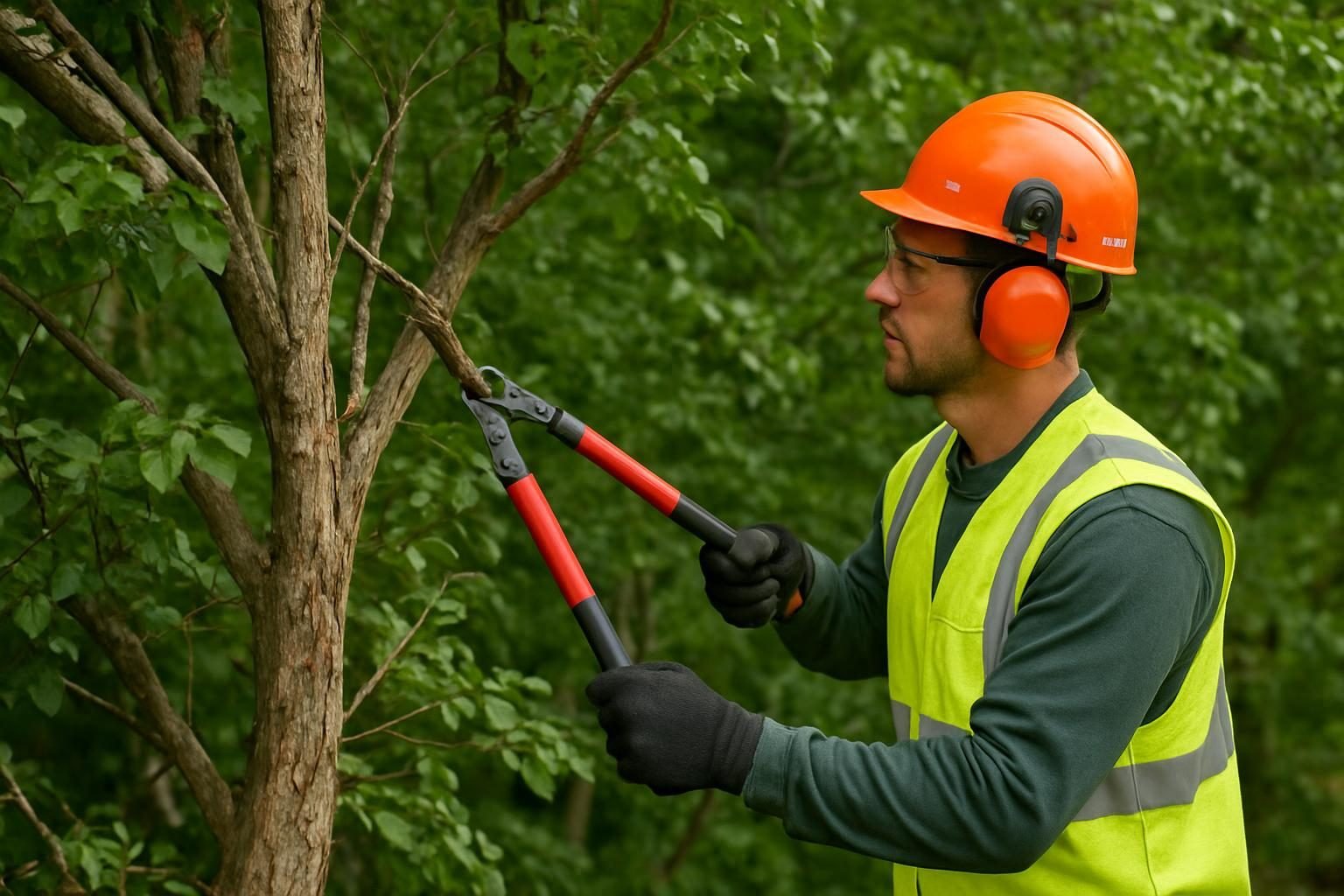
- Cutting large-diameter limbs. Big wounds are best made when the tree isn’t actively growing.
- Rejuvenation cuts on neglected trees. These deserve a proper plan, not a rushed spring job.
If your tree is simply too tall for its spot, that’s a conversation for winter. Our planned guide on what to do when your crepe myrtle is too tall will walk through options.
When in doubt after leaf-out, remove only what is dead, broken, or dangerous and save the rest for winter.
Can You Prune Crepe Myrtles in Summer?
Light summer pruning is acceptable. Heavy summer pruning is not a good idea.
Reasonable in summer:
- Deadheading spent blooms
- Removing suckers and watersprouts
- Trimming a limb that’s blocking a path or hanging low
- Taking out storm-damaged branches after a thunderstorm
Better to avoid in summer:
- Cutting back large portions of the canopy
- Cutting into thick limbs
- Any big reshaping project
Summer in the Sandhills is hot, and a freshly stressed tree is more vulnerable during dry spells. We’re planning a deeper article on pruning crepe myrtle in summer for readers who want specifics.
What about fall? That’s a different situation, since cutting then can push tender growth right before frost. See our breakdown of what’s safe to cut in the fall.
The Cut to Avoid in Any Season: Topping
Even if you’re pruning at the right time, don’t chop the tops off your crepe myrtle. Topping, sometimes called “crape murder,” leaves ugly knuckled stubs and triggers weak, crowded sprouts. It also creates a permanent maintenance headache.
If a previous owner topped your tree, it can usually be improved gradually rather than fixed in one cut. Our guide to crepe myrtle pruning in Fayetteville explains how to avoid it, and the step-by-step pruning walkthrough shows what a correct cut looks like.
For ongoing care that reduces how much pruning you need in the first place, including watering, sun, and feeding, see crepe myrtle care basics.
When to Call a Pro Instead of DIY
Some late-season situations are worth handing off:
- Limbs near power lines or over the roof. Don’t take risks with ladders or saws.
- A large, mature tree with heavy deadwood. Hard to judge and easy to over-cut.
- Storm-damaged trees. Cracked trunks or hanging limbs can fail without warning.
- Trees that look sick rather than just overgrown. Peeling or blackened bark, dieback, or odd leaf drop deserve a closer look.
A qualified crew can handle trimming safely and tell you whether the tree needs work now or in winter. Learn more about our tree trimming and pruning services, and check the homeowner checklist for hiring a tree service before you commit. Homeowners in Hope Mills and Spring Lake can also see local options on our Hope Mills tree service page.
If you’d like a local pro to look at your tree and tell you what’s safe to cut right now, request a free consultation with the form on this page.
FAQ: Late Crepe Myrtle Pruning
Will I kill my crepe myrtle if I prune it after it leafs out?
Very unlikely. Crepe myrtles are tough. The usual consequence is delayed or reduced flowering and some weak regrowth, not death. Still, heavy cuts in the growing season are best avoided.
Is it too late to prune crepe myrtles in May or June?
For shaping or size reduction, yes. At that point, stick to deadwood, broken limbs, suckers, and clearance cuts. Save any major work for the next dormant season.
Can I remove suckers at any time of year?
Yes. Base suckers and root sprouts can be cut off whenever you see them. Cut them as close to the source as you can so they’re less likely to return right away.
My crepe myrtle has dead branches but is otherwise leafy. What should I do?
Remove the dead branches now. Deadwood is easiest to spot in full leaf, and taking it out is safe and doesn’t harm the tree. If the dieback seems widespread, have an arborist take a look through an arborist tree assessment.
Get a free crepe myrtle pruning quote
A local tree service pro will contact you with a free, no-obligation quote.