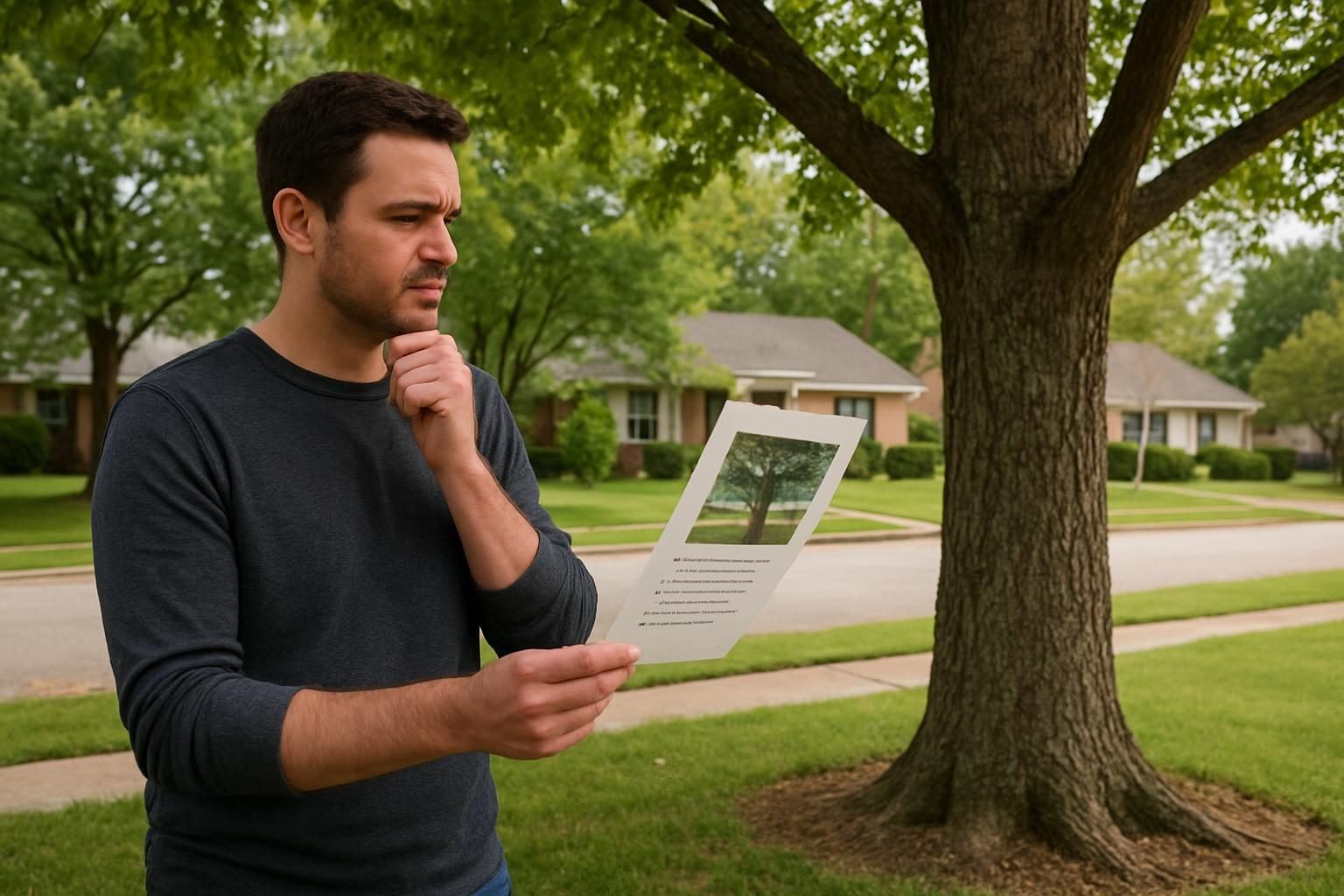
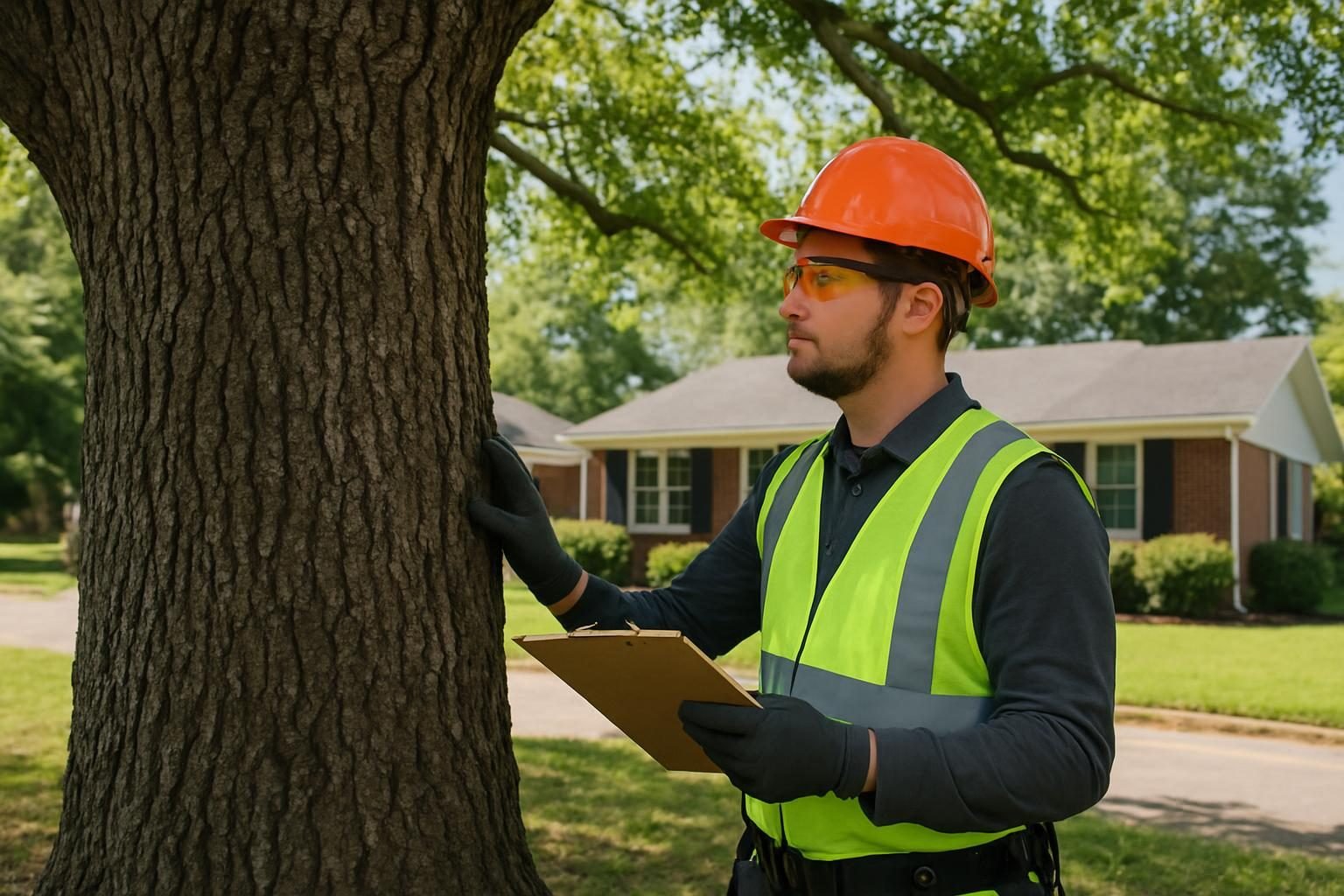
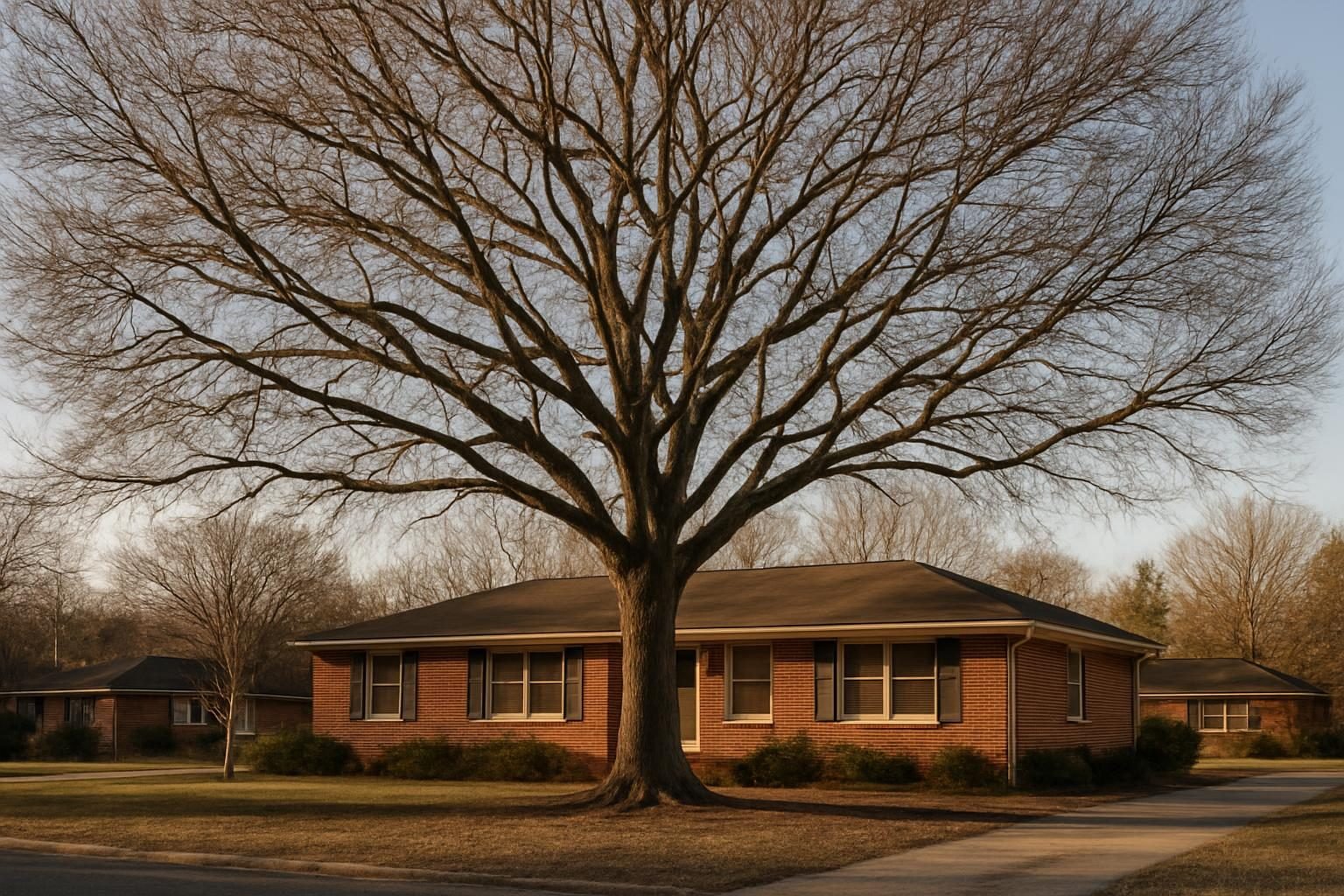
Quick answer: Under general North Carolina tree property line law, a tree whose trunk sits fully on one owner’s land belongs to that owner, while a tree whose trunk straddles the boundary is usually treated as jointly owned. Owners are generally responsible for their own trees, but the details depend on the facts, so this article is educational only and is not legal advice.
Key takeaways
- Ownership usually follows where the trunk emerges from the ground, not where the branches or roots reach.
- A tree that straddles the line is generally shared, so neither owner should cut it down alone.
- You can often trim overhanging branches back to the property line, but not in a way that harms the neighbor’s tree or ignores the law.
- Talk to your neighbor first, document everything and get a survey before any dispute escalates.
- For real disputes or significant damage, consult a North Carolina attorney.
If you live in Fayetteville, Hope Mills, Spring Lake or elsewhere in Cumberland County, a big oak or pine along the fence line can quickly become a point of tension. Questions about who owns it, who pays for it and who is liable when it falls come up often after storms. This FAQ-style guide walks through the common situations in plain language.
If a boundary tree needs work, you can request free quotes from local tree service companies using the form on this page.
Who owns a tree on the property line in North Carolina?
Ownership generally comes down to where the trunk grows. These are the typical scenarios:
- Trunk entirely on your land: The tree is yours, even if branches and roots extend over the neighbor’s yard.
- Trunk entirely on the neighbor’s land: The tree is theirs, even if it shades your whole backyard.
- Trunk straddling the boundary: This is commonly called a boundary tree or line tree, and it is generally treated as jointly owned.
Shared ownership usually means neither neighbor may remove or seriously damage the tree without the other’s agreement. Cutting down a boundary tree on your own can expose you to a claim for its value.
For a deeper look at this question, see our guide on property line and neighbor tree rules in North Carolina.
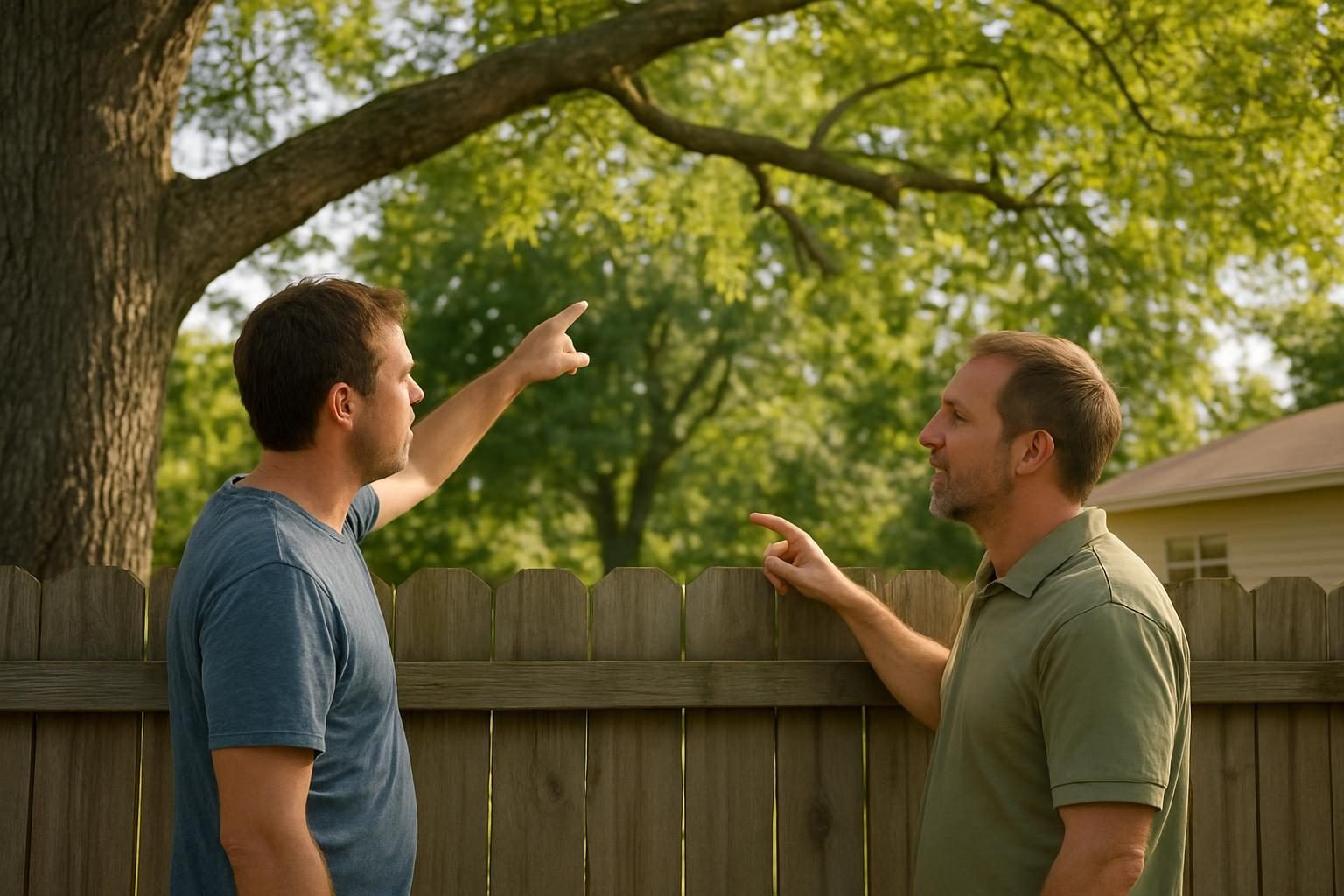
Can I trim branches and roots that cross onto my property?
In general, North Carolina allows a landowner to cut branches and roots that extend over or under their own land, up to the property line. You typically do not need the neighbor’s permission to trim what is on your side. There are important limits, though.
- Stay on your side: Do not step onto the neighbor’s land to cut without permission.
- Avoid killing or destabilizing the tree: Heavy cutting, especially of major roots, can harm the tree. If it later dies or falls, you could face a claim.
- Don’t cut what isn’t overhanging: Topping or shaping the whole tree goes beyond your right.
- Expect to pay for it yourself: The person doing the trimming generally bears the cost.
Pro tip: Before cutting any large limb or root over the line, have a certified arborist or a tree service evaluate it. A proper cut protects the tree’s health and protects you from a dispute. See our overview of tree trimming and pruning for what a professional job involves.
If trimming is routine, timing matters too. Our guide to the best time to trim trees in North Carolina covers the seasons.
Trimming back to the property line is usually your right, but cutting so hard that the tree dies can become your problem.
Can a neighbor plant a tree on the property line?
This is one of the most common questions, and the general answer is that a neighbor can plant on their own land. North Carolina does not have a single statewide rule that sets a minimum distance for planting trees from a boundary. Local ordinances, subdivision covenants or HOA rules may add their own requirements, so it is worth checking those.
Here is what to keep in mind:
- Planting on the line itself: If someone deliberately plants a tree so the trunk sits on the boundary, it may become a jointly owned boundary tree. Ideally both owners agree beforehand.
- Planting near the line: If the trunk is on their side, it is theirs, but overhanging branches and encroaching roots can still be trimmed back on your side.
- Fast-growing or problem species: Trees such as Bradford pears split easily and can cause trouble later, so a friendly conversation up front helps.
- Check restrictions: Covenants, HOA guidelines and city or county rules can affect what and where you plant.
If you are worried about a neighbor’s planting plans, ask them to talk before the tree goes in. It is much easier than resolving it after the tree is ten feet tall.
Who is responsible when a boundary tree or neighbor’s tree causes damage?
Responsibility for damage generally turns on whether the tree owner knew, or reasonably should have known, that the tree was hazardous. Ordinary storm damage is treated differently from damage caused by a tree that was visibly dead or decaying.
- Healthy tree falls in a storm: This is often treated as an act of nature. The owner of the damaged property typically turns to their own homeowners insurance.
- Visibly dead, diseased or leaning tree falls: If the owner was aware of the hazard and did nothing, they may face greater responsibility.
- Roots damaging a driveway, foundation or sewer line: Claims depend on the facts, and an assessment of the cause helps. See our guide to tree roots damaging foundations, driveways and sewer lines.
- Boundary tree falls: With joint ownership, responsibility can be shared, and the specifics are worth discussing with an attorney.
If a tree has already come down on a neighbor’s fence or yard, read who pays when a tree falls on a neighbor’s fence or yard. Insurance practices vary, so also review whether homeowners insurance covers tree removal in North Carolina.
A tree the owner knew was dying is treated very differently from a healthy tree that simply lost to a storm.
What to do before a boundary tree dispute escalates
Most tree disagreements can be settled without lawyers. Work through these steps in order:
- Talk to your neighbor first. Approach it as a shared problem. Many neighbors will happily split the cost of removing a hazardous tree or trimming a limb.
- Document the situation. Take dated photos of the tree, any damage, and the condition of branches and roots. Keep copies of texts and emails.
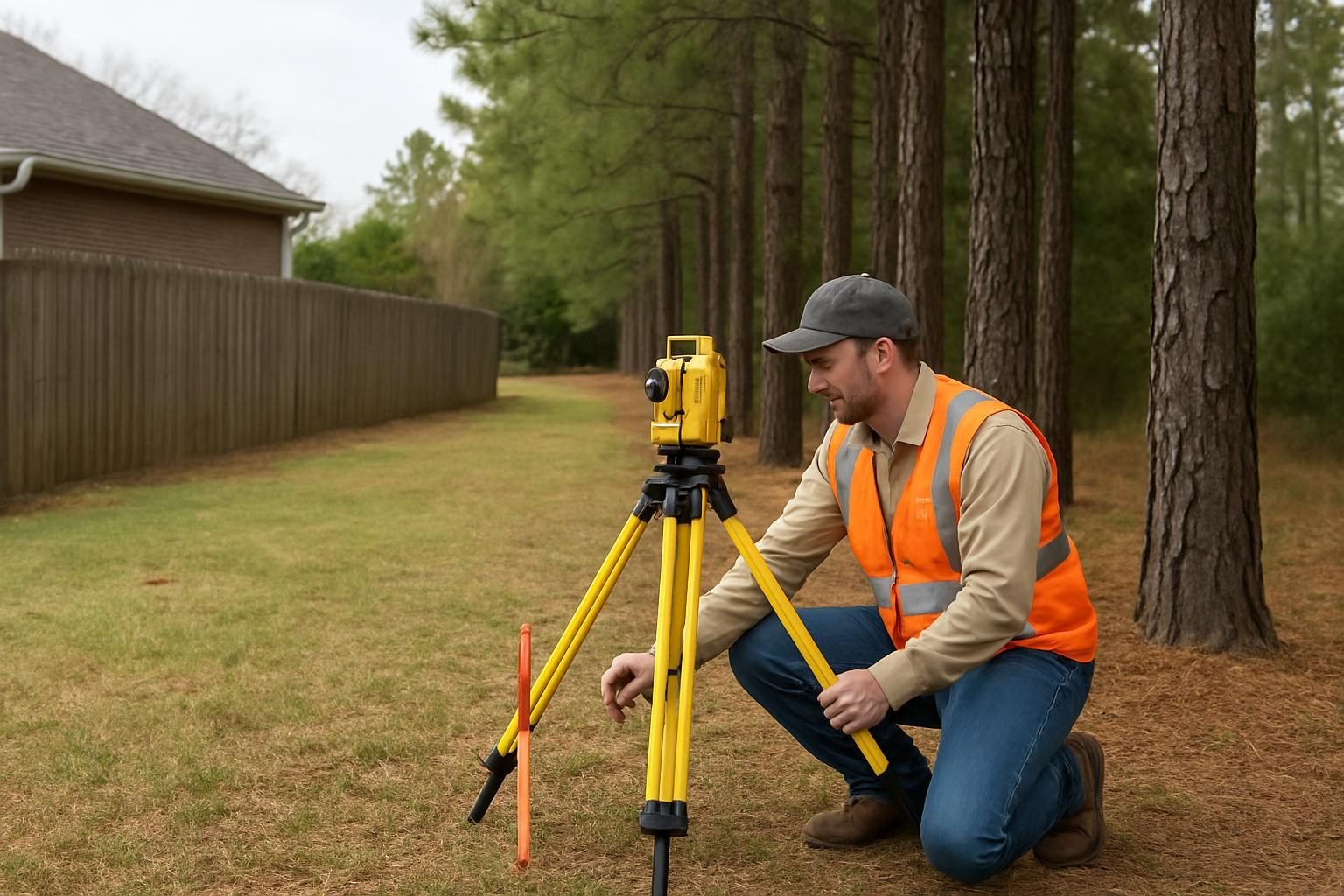
- Get a survey. If you are unsure where the line runs, a licensed land surveyor can mark it. Fences and old stakes are not always accurate.
- Get a professional opinion. An arborist tree assessment can tell you whether a tree is healthy, hazardous or in decline. That written opinion carries real weight.
- Put concerns in writing. A polite, factual letter or email about a hazardous tree creates a record that you raised the issue.
- Consult an attorney for disputes. If talks fail, damage is significant or someone has already cut a shared tree, speak with a North Carolina attorney about your specific situation.
When to call a tree service for a boundary tree
Some situations are best handled quickly by a professional, ideally with your neighbor’s agreement in writing if the tree is shared:
- A dead or dying tree near a home, fence or shared driveway. Our guide on dead pine trees explains the warning signs.
- Large limbs hanging over a roof or yard. See how far trees should be trimmed back from your roof.
- A leaning tree after a hurricane or heavy storm, which may need emergency storm tree removal.
- Planned tree removal that both owners have agreed on.
Always confirm that any company is insured before work begins. Our checklist on verifying a tree service’s insurance shows what to ask for. If you are curious about pricing, review tree service cost in Fayetteville. As a rough estimate, removing a single mid-size residential tree often runs from several hundred to a few thousand dollars depending on size, access and hazards.
For tree work on or near your property line, request a free quote from local tree service companies using the form on this page.
Frequently asked questions
Can I cut down a tree on the property line without my neighbor’s permission?
If the trunk straddles the line, it is generally considered jointly owned, and removing it alone can lead to a claim for its value. If the trunk is fully on your land, it is generally yours to remove, subject to any local permit rules or HOA covenants. When in doubt, get a survey and speak with an attorney.
Who pays to trim a tree that hangs over my yard?
Generally, the person who wants the trimming done pays for it when cutting back overhanging branches to the property line. Tree owners are usually responsible for maintaining their own trees, so a friendly conversation about splitting the cost can help.
Is my neighbor responsible if their tree falls on my house?
It depends on the facts. A healthy tree that falls in a storm is often treated as an act of nature, and your own homeowners insurance typically responds. If the owner knew the tree was dead or hazardous and ignored it, responsibility may shift. See our article on what to do when a tree falls on your house.
Do I need a permit to remove a tree near the property line?
Requirements vary by city, county and neighborhood. Some jurisdictions and HOAs regulate tree removal, particularly for larger or protected trees. Check with your local planning office or HOA before removing a significant tree. We may cover this in more detail in our upcoming guide to tree removal permits in Fayetteville.
This article is general educational information, not legal advice. Laws change and every situation is different, so consult a qualified North Carolina attorney about your specific dispute.
Get free quotes for trees on or near your property line
A local tree service company will contact you with a free, no-obligation quote.