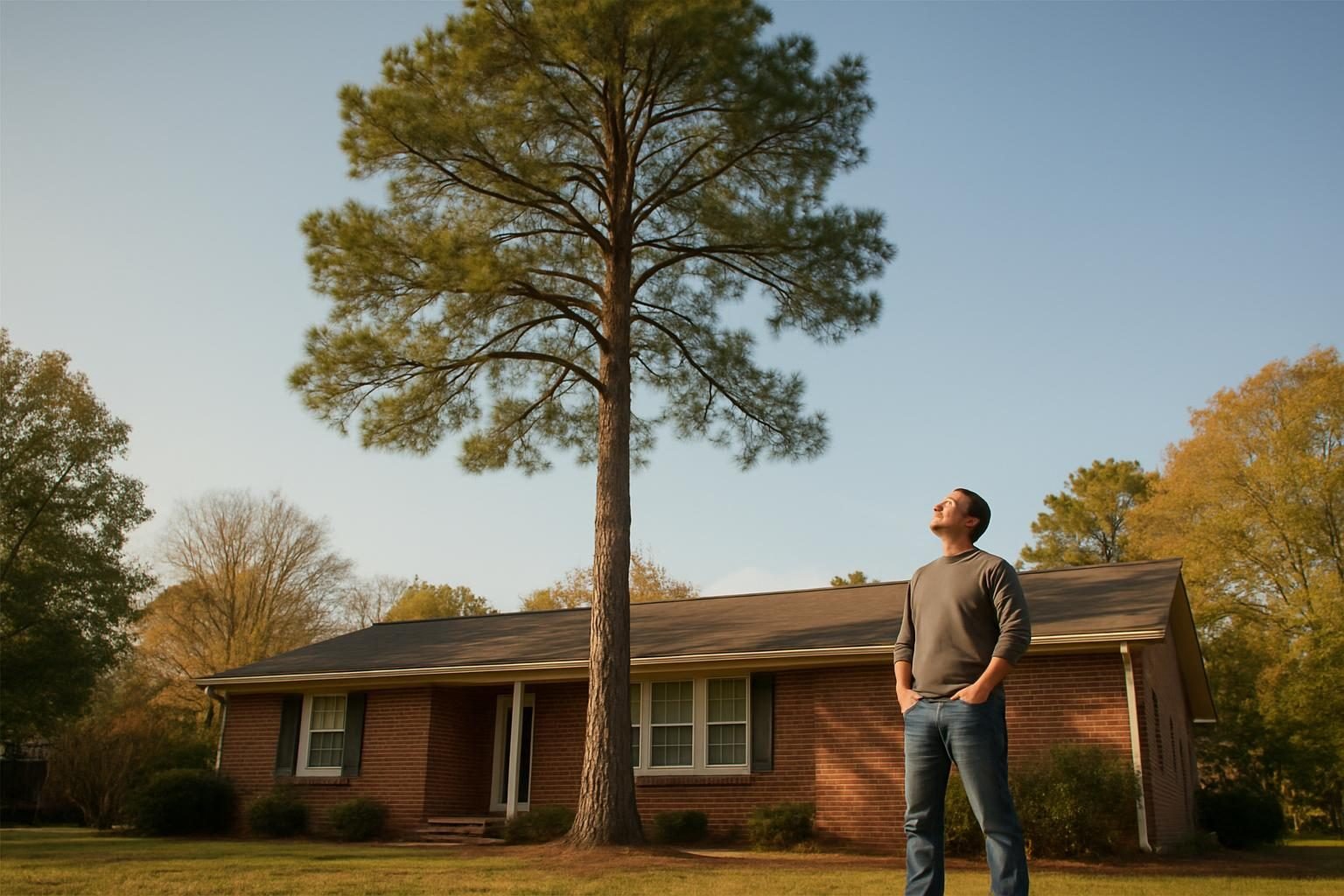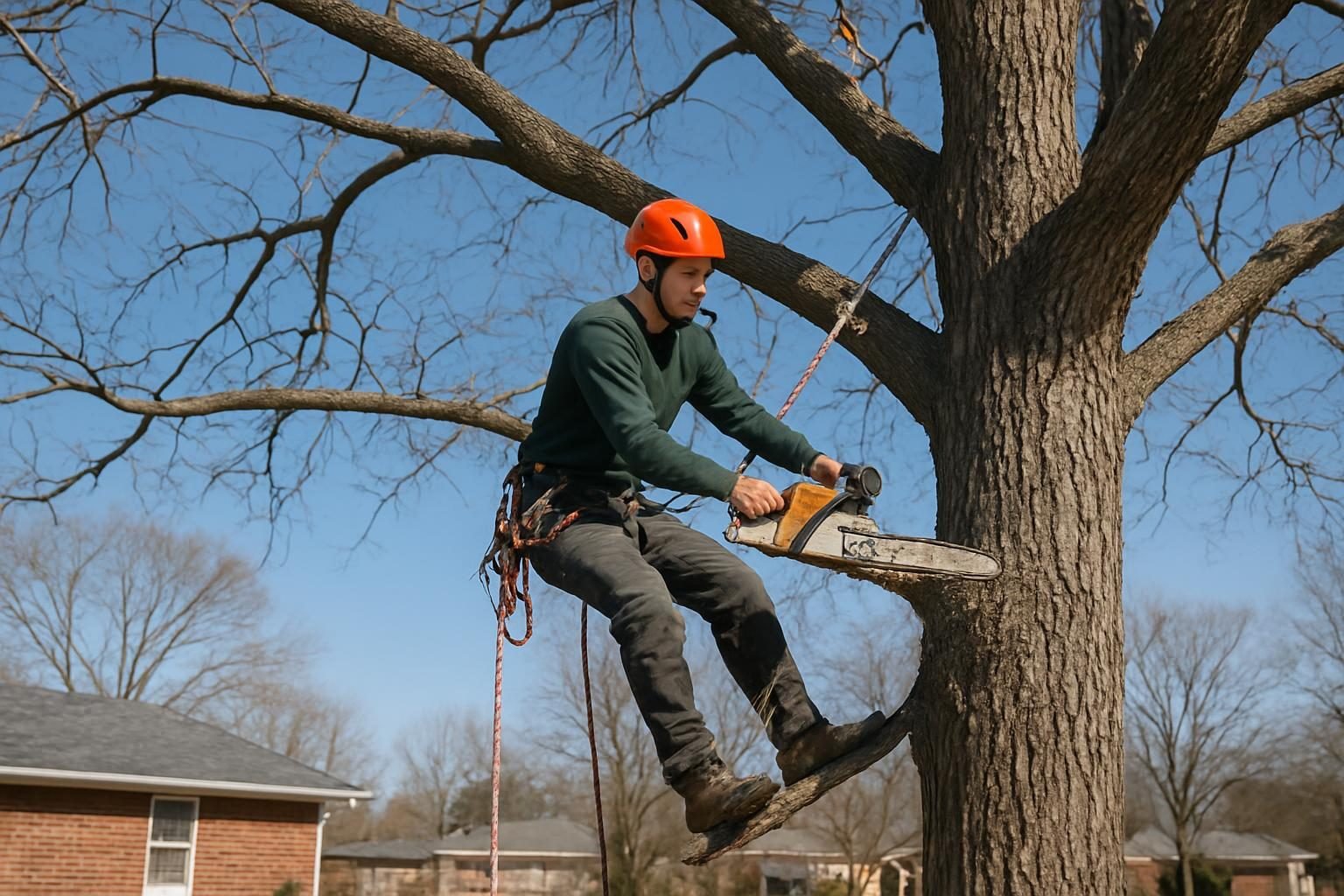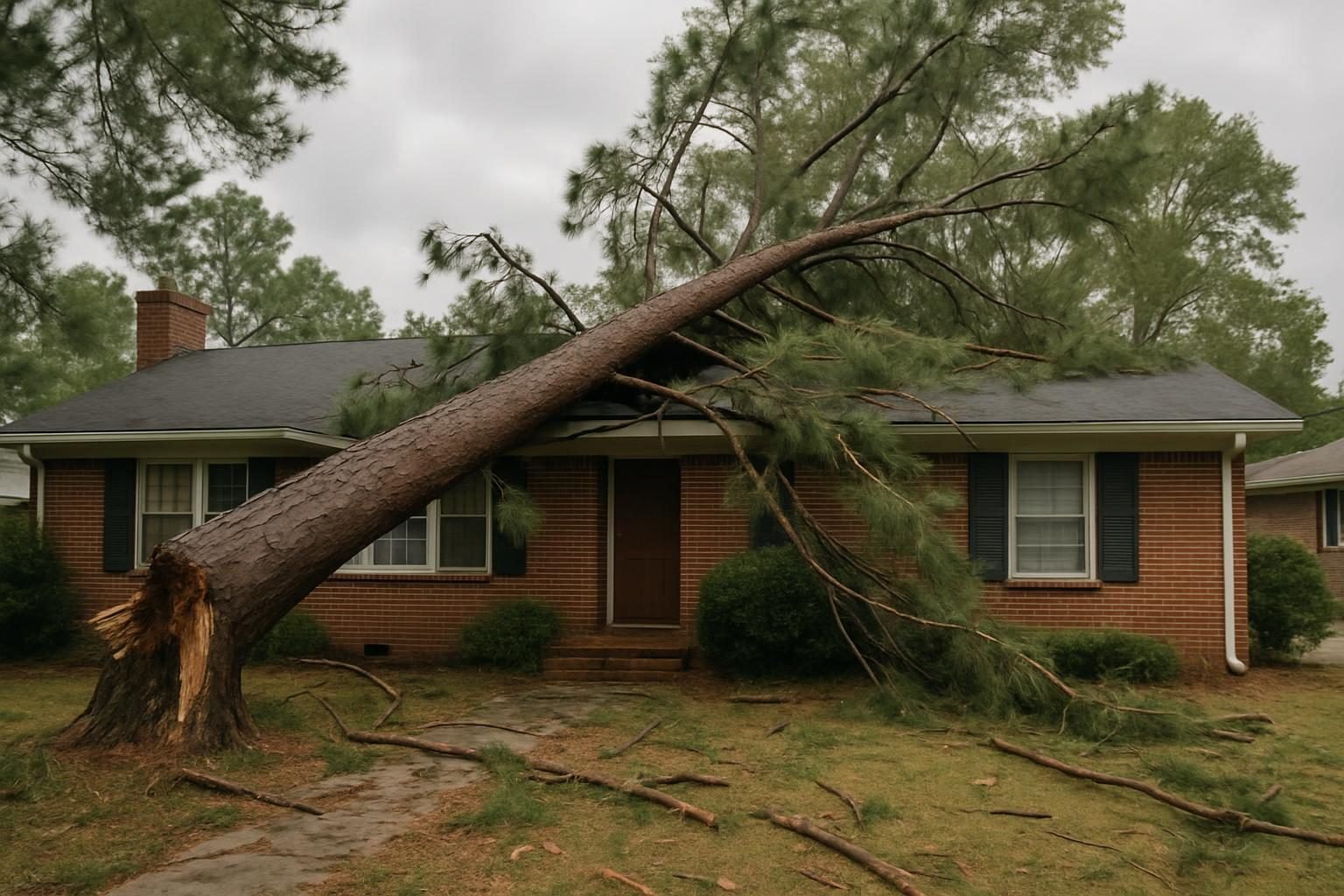
Quick answer: Sometimes. Homeowners insurance in North Carolina often helps pay to remove a tree that has fallen on an insured structure, and some policies also cover a tree blocking a driveway or access. It usually does not pay to remove a healthy tree that fell in your yard without hitting anything, or one that was dead or neglected. Policies vary, so confirm with your agent.
Key takeaways
- Coverage usually hinges on what the tree hit, not just that it fell.
- Many policies cap tree debris removal per tree and per claim, often in the hundreds to low thousands of dollars.
- Dead, diseased, or obviously neglected trees are a common reason for denial.
- Photos taken before cleanup make claims much easier.
- Your deductible may be higher than the removal bill, so get a quote before filing.
If you own a home in Fayetteville, Hope Mills, Spring Lake, or elsewhere in Cumberland County, you already know how fast a thunderstorm, tornado warning, or tropical system can put a pine or oak across a roof or fence. The next question is almost always who pays. This guide explains how does homeowners insurance cover tree removal in North Carolina works in practice, what limits to look for, and how to document a claim. It is general education, not legal or insurance advice.
Need the tree gone while you sort out the claim? You can request a free tree removal quote using the form on this page.
Does Homeowners Insurance Cover Tree Removal in North Carolina? The Short Version
Standard homeowners policies generally cover damage from sudden events such as wind, hail, and lightning. They treat tree removal as part of that damage, not as routine maintenance. So the cause and the result both matter.
- Often covered: a tree that falls during a storm and damages your house, garage, shed, or other covered structure.
- Sometimes covered: a fallen tree that blocks your driveway, a wheelchair ramp, or other access, depending on the policy wording.
- Usually not covered: a tree that falls without hitting anything, or removal of a tree you simply want gone.
No two policies read the same. Your declarations page and the “debris removal” or “trees, shrubs, and plants” sections tell you more than any general guide can.
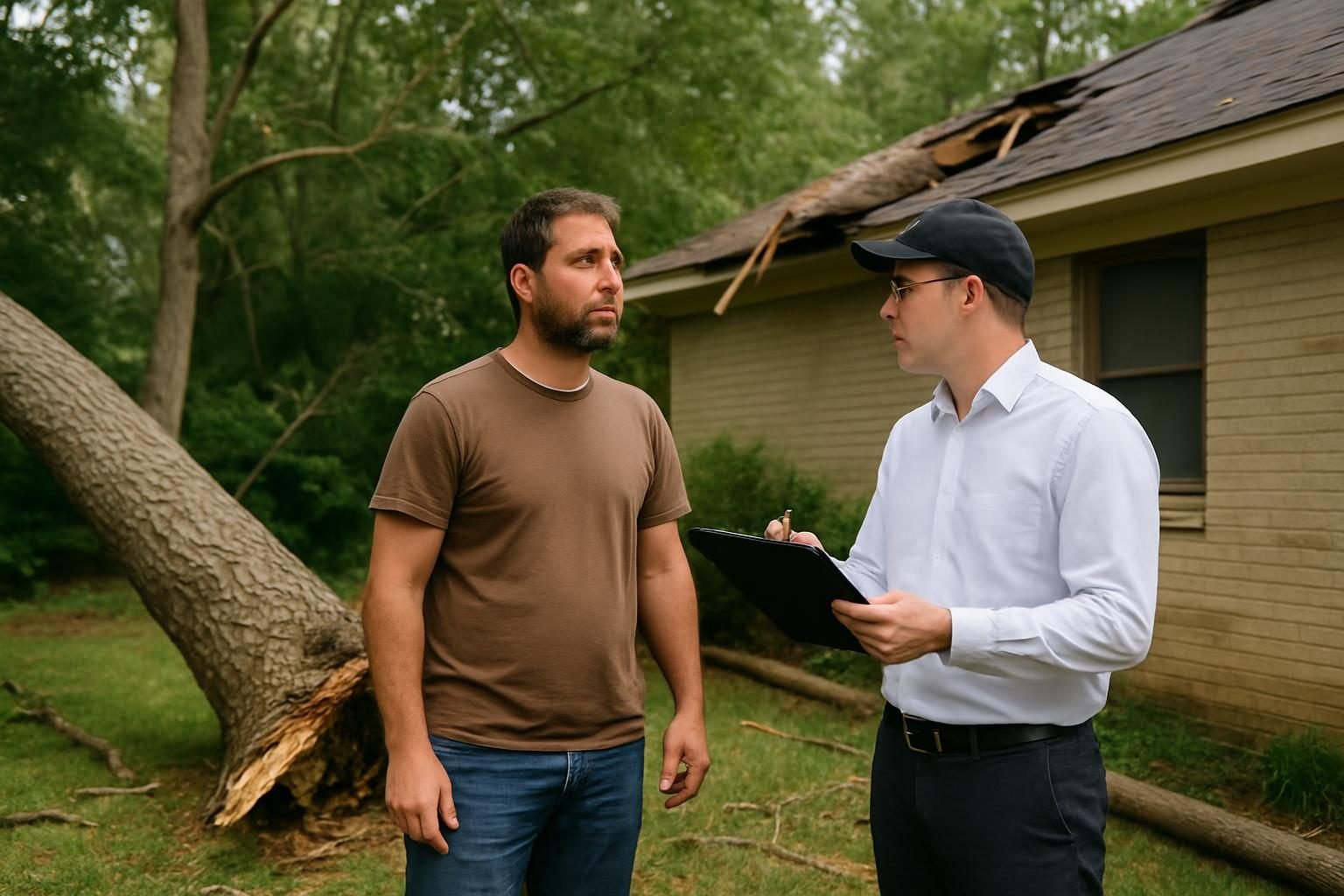
When Policies Typically Help
Most claims that get paid involve a covered structure. If a loblolly pine snaps in a storm and lands on your roof in Stedman, the policy generally pays for the roof repair. It also often pays to remove the tree portion that caused the damage.
Common situations where coverage may apply
- Tree hits the house: the most clear-cut case. Removal is usually treated as part of the loss.
- Tree hits another covered structure: detached garages, sheds, and sometimes fences, though fences often have lower limits or specific rules.
- Tree blocks the driveway: some policies cover removal if it blocks access to the home or a ramp. Others do not, so ask directly.
- Tree falls on a neighbor’s property: this is where liability and negligence questions come in. See our guide on what to do when a tree falls on your house for first-day steps.
If the damage is active and dangerous, such as a tree leaning on a roofline or tangled in power lines, safety comes first. Our emergency storm tree removal page explains how crews handle those jobs. For the first-day checklist, read what to do when a tree falls on your house in Fayetteville.
With most policies, what the tree hit matters more than the fact that it fell.
Common Debris Removal Limits to Look For
Even when a claim qualifies, the policy may cap what it pays for tree removal. These limits are often written into the additional coverages section.
- Per-tree limit: commonly a few hundred dollars up to around $1,000 per tree, depending on the policy.
- Per-occurrence limit: a total cap for all trees in one event, often in the $1,000 to $2,500 range or higher.
- Size or type conditions: some policies pay only when the tree damaged a covered structure or blocked access.
- Separate stump language: stump removal may be excluded or limited, even if the fallen trunk is covered.
These figures are typical examples, not promises. Your own limits could be higher or lower, so read the exact wording or ask your agent to explain it in plain terms.
Pro tip: Ask your agent three questions: What is my per-tree limit? What is my per-occurrence limit? Is a tree that only blocks my driveway covered?
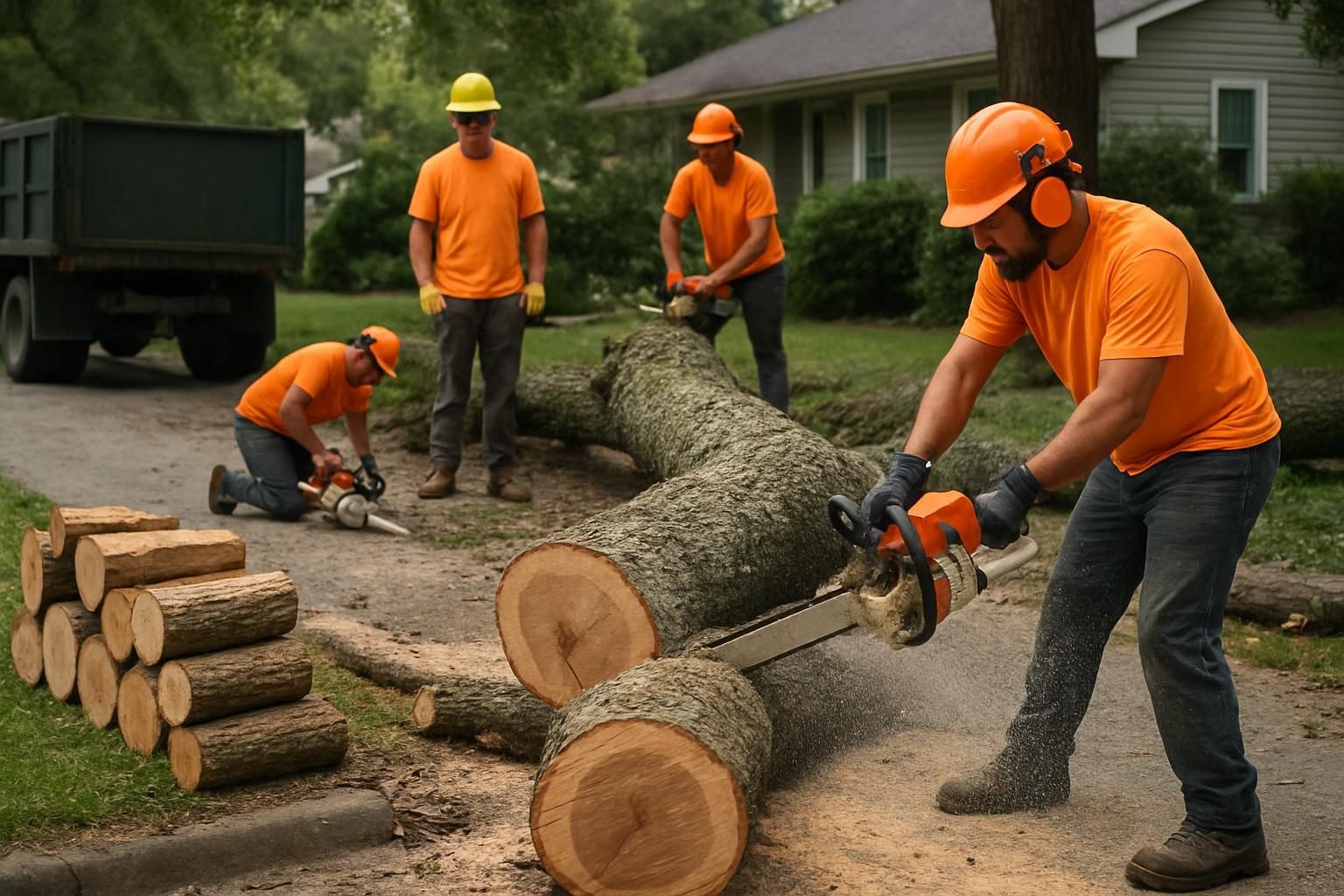
When Tree Removal Usually Isn’t Covered
Insurers separate sudden storm damage from maintenance. These are the situations where claims are most often denied or paid only in part.
- The tree fell but hit nothing: a fallen oak lying in your backyard in Raeford is typically your cost to remove.
- Dead, diseased, or decayed trees: if the tree was clearly in poor shape, insurers may argue the loss came from neglect rather than a sudden event.
- Removing a standing tree: leaning, overgrown, or unwanted trees are generally treated as maintenance.
- Routine trimming: pruning is a homeowner expense. See tree trimming and pruning for what it involves.
- Excluded perils: flood damage, for example, is typically not covered by a standard homeowners policy.
The neglect point matters. A certified arborist tree assessment can identify weak or declining trees before a storm does, and the written report is useful documentation of how you maintain your property.
A dead tree that falls is the claim insurers question most, so inspect before the storm, not after.
How to Document and File a Tree Damage Claim
Good records can speed up a claim and reduce disputes. Move quickly, but do not take risks around downed lines or unstable trunks.
- Stay safe. Keep away from the tree if it touches power lines or is leaning on the structure. Call the utility if lines are involved.
- Take photos and video before anything is moved. Capture the whole tree, the point of impact, the trunk base, and any visible rot or breakage.
- Protect the property. Tarping a damaged roof is typically expected, and reasonable emergency costs are usually reimbursable. Keep receipts.
- Call your insurer or agent promptly. Ask what your deductible, debris limits, and required documents are.
- Get a written removal estimate. A line-item quote from a local tree company helps the adjuster see what the job really costs.
- Keep removed wood evidence if asked. Some adjusters want to inspect the trunk before it is hauled off.
- Keep every invoice and note including names, dates, and claim numbers.
If you have a complaint about how a claim is handled, the North Carolina Department of Insurance provides consumer resources.

Deductibles and Out-of-Pocket Costs
Before you file, compare the removal bill against your deductible. Many Cumberland County homeowners have deductibles of $1,000 or more, and some policies use a separate percentage-based deductible for wind or named storms.
- Typical tree removal (estimate): roughly $300 to $1,500 for many residential trees.
- Large, hazardous, or crane-assisted jobs (estimate): often $1,500 to $3,000 or more.
- Stump grinding (estimate): commonly $100 to $500 depending on size and access. See stump grinding.
If the removal is below your deductible, filing may not help for that part. But if the tree also damaged your roof, the combined loss may exceed it. Filing claims can also affect future premiums, so ask your agent how it works before deciding. For local pricing context, see our tree service cost in Fayetteville guide, and for planned reading, check emergency tree removal cost and the hurricane tree prep checklist.
Planning removal of a tree that is not storm-related? Our tree removal in Fayetteville page covers how the work is done, and homeowners in Hope Mills can also see tree service in Hope Mills.
Whether insurance pays or not, you can request free, no-obligation tree removal quotes from local companies using the form on this page.
Frequently Asked Questions
Does homeowners insurance cover a tree that fell in my yard but hit nothing?
Usually not. Most policies pay for removal only when the tree damages a covered structure or blocks access, depending on the wording. Check with your agent.
Will insurance pay to remove a dead tree before it falls?
Generally no. Removing a standing tree, even a hazardous one, is treated as maintenance. Insurers may also deny a claim if the tree was visibly dead or neglected before it fell.
Does insurance cover stump removal after a storm?
It depends. Some policies cover the fallen tree but exclude or limit the stump. Ask whether stump grinding is included in your debris removal coverage.
Should I file a claim or pay out of pocket?
Compare your deductible to the total damage and removal costs. If the tree only needs removal and the bill is below your deductible, paying yourself may make sense. Talk to your insurance agent before deciding, since policies and rates vary.
Get a free tree removal quote in Cumberland County
A local tree service company will contact you with a free, no-obligation quote you can also share with your insurer.