Quick answer: Start your hurricane tree prep checklist before June 1: have a certified arborist or reputable tree service inspect pines and water oaks near your house, remove deadwood, thin dense crowns (never top them), and deal with leaning or damaged trees. Pre-storm work costs less and is easier to schedule than post-storm cleanup, so book it in spring.
Key takeaways
- Do the work between March and May, before crews get booked solid and prices climb.
- Pines and water oaks near the house deserve the closest look in Cumberland County’s sandy, often saturated soils.
- Thin crowns to let wind pass through; topping weakens a tree and makes it more dangerous.
- Leaning, cracked or root-heaved trees need a professional assessment, not a wait-and-see approach.
- Know your utility outage contacts now, and never touch a tree tangled in a power line.
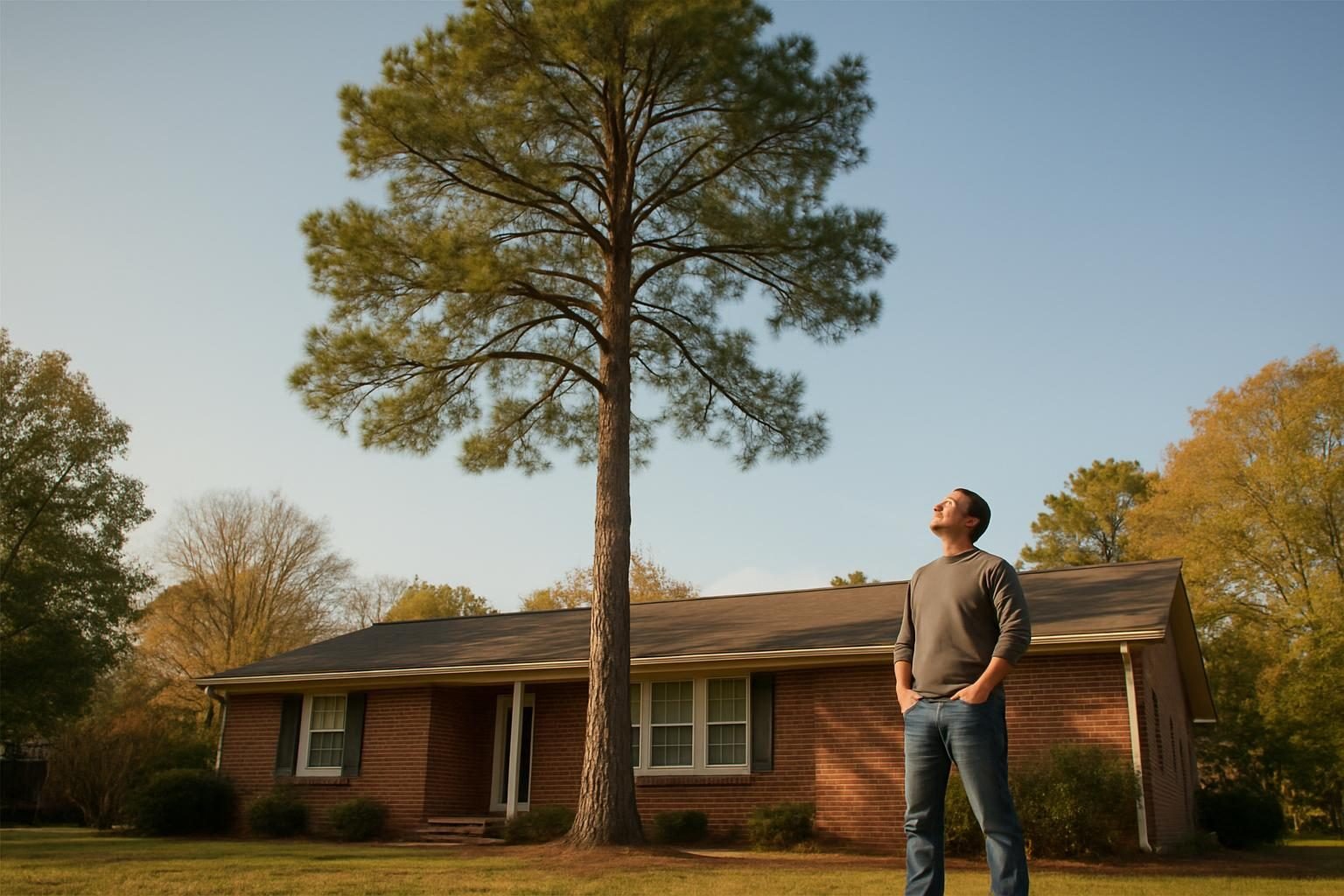
Fayetteville homeowners who lived through Hurricane Matthew in 2016 and Florence in 2018 remember what saturated ground and long hours of wind do to tall trees. Whole pines snapped, water oaks uprooted, and crews were stretched thin for weeks afterward. A little preparation each spring is the best defense, and this checklist walks you through it.
Want a professional set of eyes on your yard before the season starts? You can request a free tree prep quote from local companies using the form on this page.
Why Cumberland County Trees Are Vulnerable
Our region sits on sandy, well-drained soils that turn loose and soft after days of tropical rain. Roots that hold a tree fine in dry weather can lose their grip when the ground is saturated and the wind gusts. Hurricanes that weaken as they move inland still bring heavy rain and sustained gusts to Fayetteville, Hope Mills, Spring Lake and Raeford.
The usual suspects in local yards include:
- Loblolly and longleaf pines: tall, shallow-rooted in places, and prone to snapping or toppling.
- Water oaks: fast-growing but relatively short-lived, often hollow or decayed inside by maturity.
- Sweetgums and tulip poplars: brittle limbs that shed in high wind.
- Bradford pears: notorious for splitting at weak branch unions.
Step 1: Inspect Pines and Water Oaks Near the House
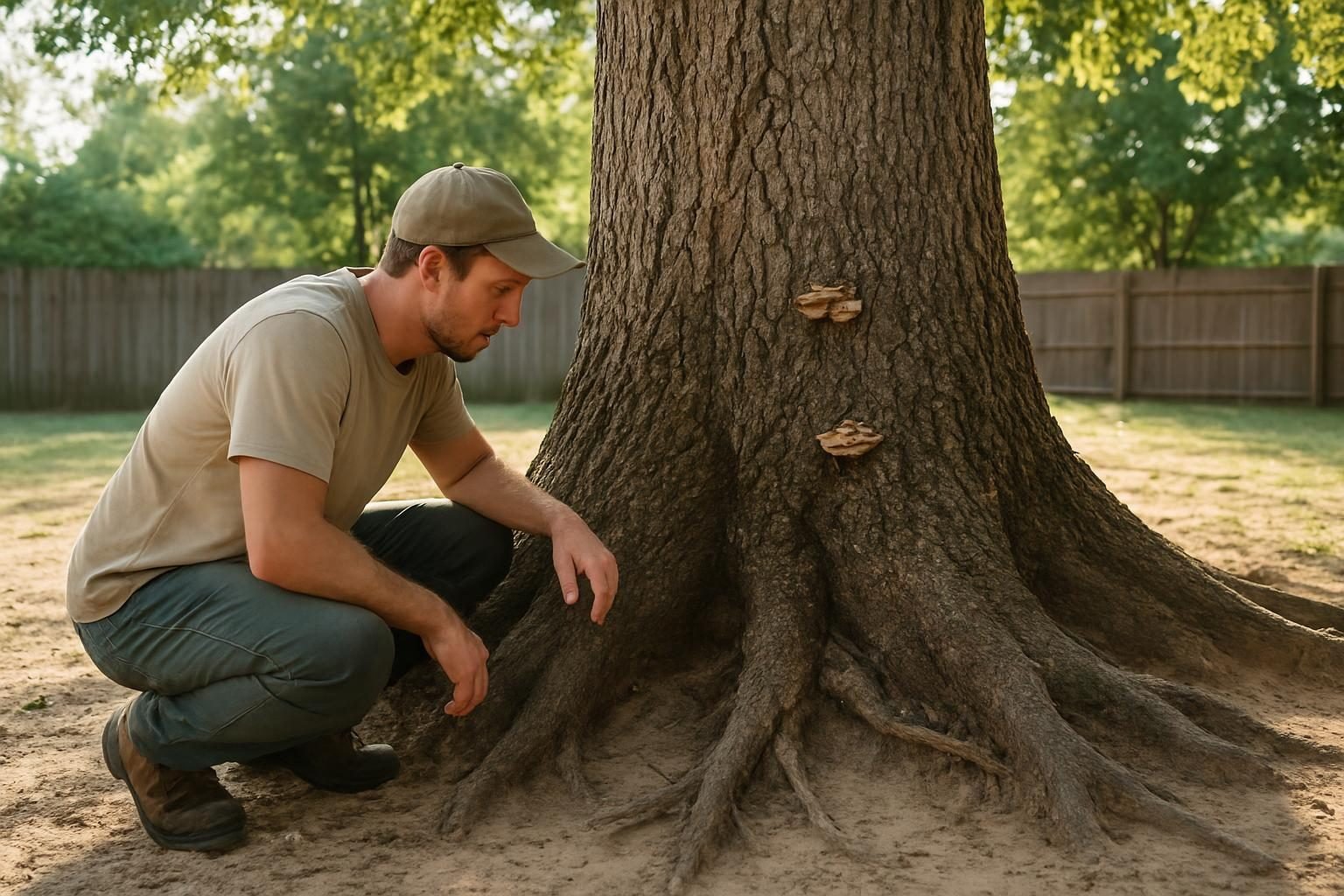
Focus first on any tree tall enough to reach your home, garage, driveway or power service if it fell. Walk the yard in daylight and look carefully at each one.
What to look for
- Cracks or splits in the trunk or at major branch forks.
- Fungus or mushrooms at the base, a common sign of root or heart rot.
- Soil heaving or gaps around the root flare, which can mean the roots are already shifting.
- Dead or hanging branches, especially in the upper crown.
- Thinning, off-color foliage out of season. Our guide to signs a tree is dying covers the warning signs in detail.
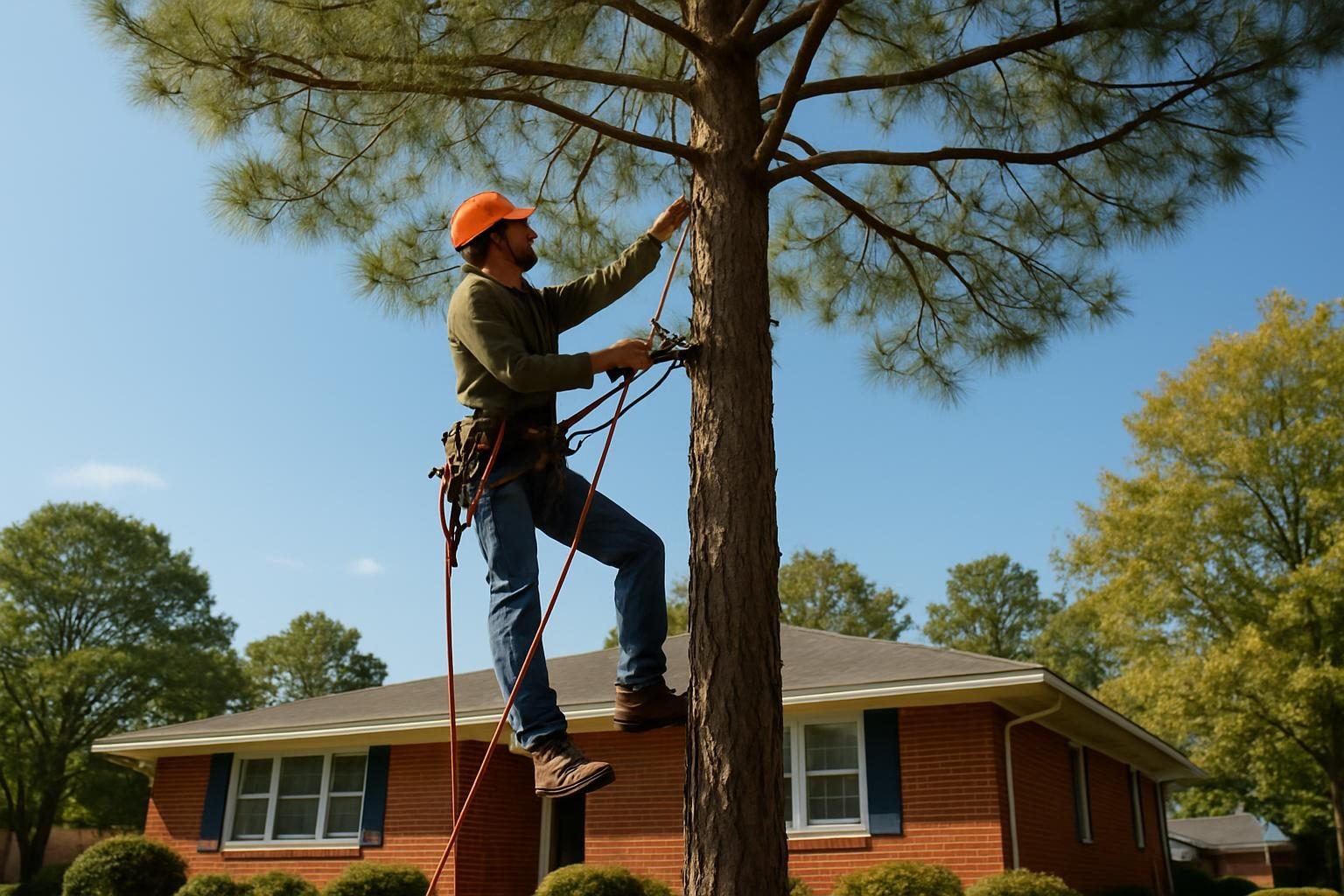
If anything on that list looks suspicious, have an arborist tree assessment done before storm season. A professional can see decay and structural defects that are invisible from the ground.
Pro tip: Take dated photos of your trees each spring. They help you track changes over time and can support an insurance claim if a storm does cause damage.
Step 2: Remove Deadwood and Hazardous Limbs
Dead branches are the first thing to break loose in high wind, and they turn into projectiles. Removing them is one of the cheapest and most effective steps on any hurricane tree prep checklist.
- Cut dead limbs over roofs, driveways, play areas and power lines.
- Remove broken or hanging branches left over from earlier storms.
- Clear branches that rub the roof or siding, since they can abrade shingles and fail suddenly.
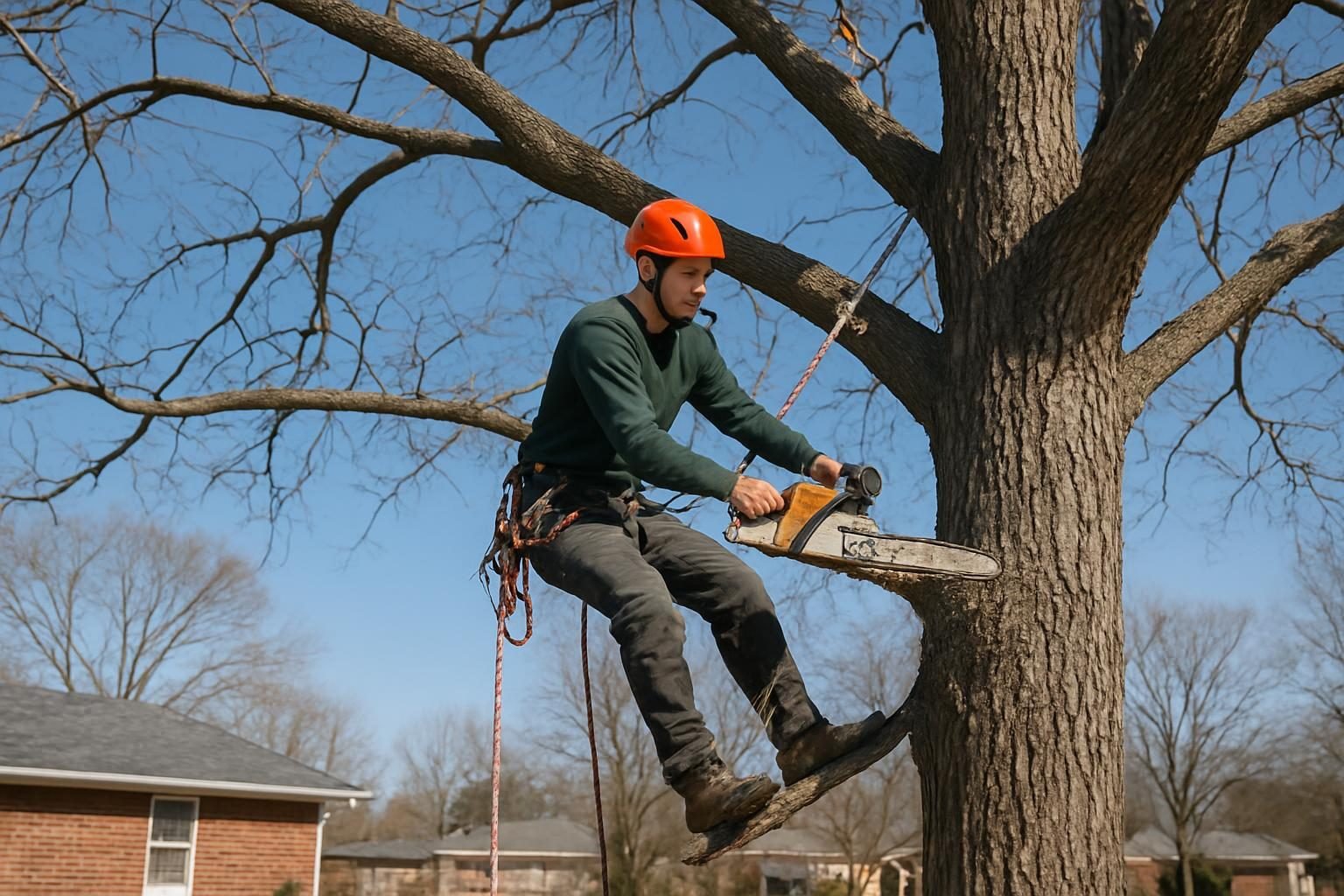
Anything high in a tall tree, or near a power line, belongs to a pro with the right equipment. Our overview of tree trimming and pruning explains what a proper job should include.
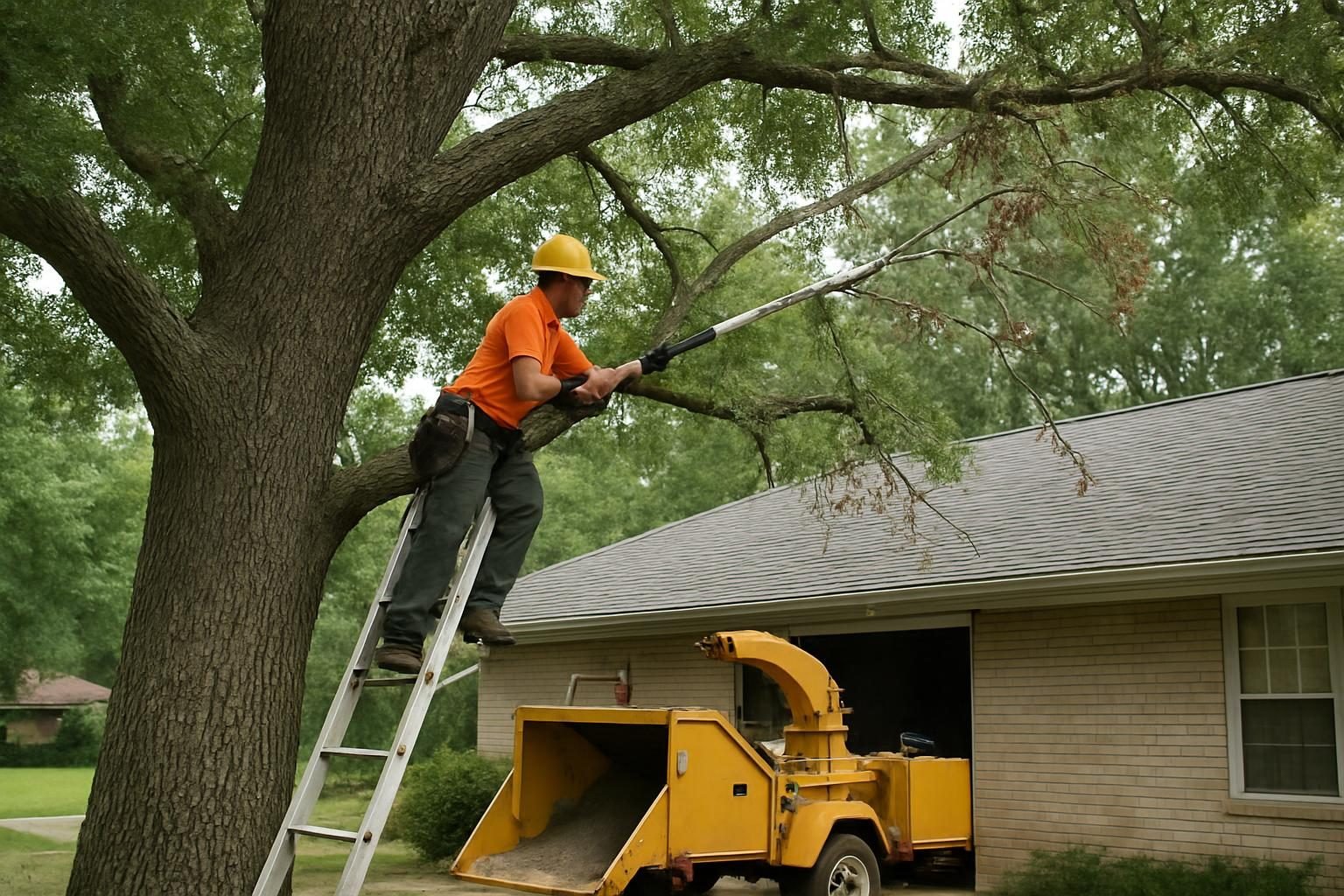
The cheapest storm damage is the kind a spring pruning visit prevents.
Step 3: Thin the Crown, Never Top the Tree
A dense crown acts like a sail. Selective thinning removes some interior branches so wind can pass through instead of pushing against the whole tree.
Thinning vs. topping
- Thinning: removes select branches throughout the canopy, keeping the tree’s natural shape. Done correctly, it reduces wind load.
- Topping: chops off the main upper stems. It causes weak, fast-growing regrowth, invites decay, and leaves the tree more likely to fail.
If a company suggests topping a tree to “make it hurricane-safe,” get a second opinion. Reputable arborists follow accepted pruning standards and generally avoid removing more than about a quarter of a tree’s live crown in one season.
Step 4: Deal With Leaning, Damaged or Compromised Trees
Not every tree can be saved by pruning. Some should come down before the season starts.
Strong candidates for removal:
- A tree that has begun leaning, particularly with soil lifting on the opposite side.
- A trunk with a large cavity, deep crack or extensive decay.
- Trees with a dead or dying crown that sit within falling distance of your house.
- Storm-damaged trees from prior seasons that never recovered.
A planned tree removal in April is calm, controlled and priced on your terms. A tree that falls on your roof in September is none of those things. If you are unsure about a particular lean, our upcoming article on when a leaning tree is dangerous goes deeper.
Tall pines are among the most common removals here, and the numbers vary widely by height and access. See our breakdown of pine tree removal cost in Fayetteville for estimates.
Step 5: Secure Your Yard and Know Your Contacts
Tree work is only part of preparation. Before a named storm approaches, handle the rest of the yard too.
Yard checklist
- Bring in or tie down patio furniture, grills, trampolines, planters and trash cans.
- Clear gutters and drains so heavy rain does not pool around the foundation.
- Move vehicles away from tall trees and out from under large limbs.
- Stack or haul away piles of cut wood and brush that could become flying debris.
Contacts to save now
- Your electric utility’s outage reporting line or app (look up whether you are served by PWC, Duke Energy or an electric membership cooperative).
- Your homeowners insurance claims line and policy number.
- Two or three vetted tree companies, saved before you need them.
- Cumberland County emergency management for alerts and shelter information.
Safety rule: if a tree or limb is touching or tangled in a power line, stay far away, assume the line is live, and report it to the utility. Never try to cut it yourself.
Treat any downed line or tree touching a wire as live until the utility says otherwise.
Pre-Storm vs. Post-Storm Pricing
Timing changes both what you pay and how fast you get help. These are general estimates, and actual quotes vary by tree size, access and company.
- Pre-season (March to May): typical pricing, flexible scheduling, and time to compare several bids. Routine pruning or removal of a mid-size tree often runs from a few hundred dollars to over a thousand, depending on the job.
- Right before a storm: crews are swamped, many stop taking new jobs, and you may pay a premium if anyone is available at all.
- After a storm: emergency rates are often substantially higher, especially for a tree on a structure, and demand attracts out-of-town operators with questionable practices.
For realistic local ranges, see our guide to tree service cost in Fayetteville. If a tree does come down, our walkthrough of what to do in the first 24 hours and the emergency storm tree removal page explain next steps. You may also want to read whether homeowners insurance covers tree removal in North Carolina, since coverage depends on your policy and what the tree hit.
Ready to get ahead of the season? Request a free quote for hurricane tree prep and compare local companies serving Fayetteville, Hope Mills, Spring Lake and Stedman before the rush.
Frequently Asked Questions
When should I start my hurricane tree prep?
Aim to finish by the start of hurricane season on June 1. March through May is ideal because companies have open schedules and you can compare bids without pressure.
Is trimming trees before a hurricane worth the cost?
Generally yes, especially for trees near your house. Removing deadwood and thinning a dense crown reduces the chance of limbs breaking and the load wind puts on the tree. It will not make a decayed or leaning tree safe, though, which is why inspection comes first.
Do I need a permit to remove a tree before a storm?
Rules depend on your location and the tree, and many residential removals on private property do not require one. Check local requirements before you cut; our article on tree removal permits in Fayetteville explains the basics.
Should I trim or remove a tree during an approaching storm?
No. Once a storm is close, conditions are unsafe for crews and homeowners alike. Do all tree work well ahead of the season, and stay indoors once severe weather arrives.
Get a free hurricane tree prep quote
A local tree service will contact you with a free, no-obligation quote for storm-season tree work.