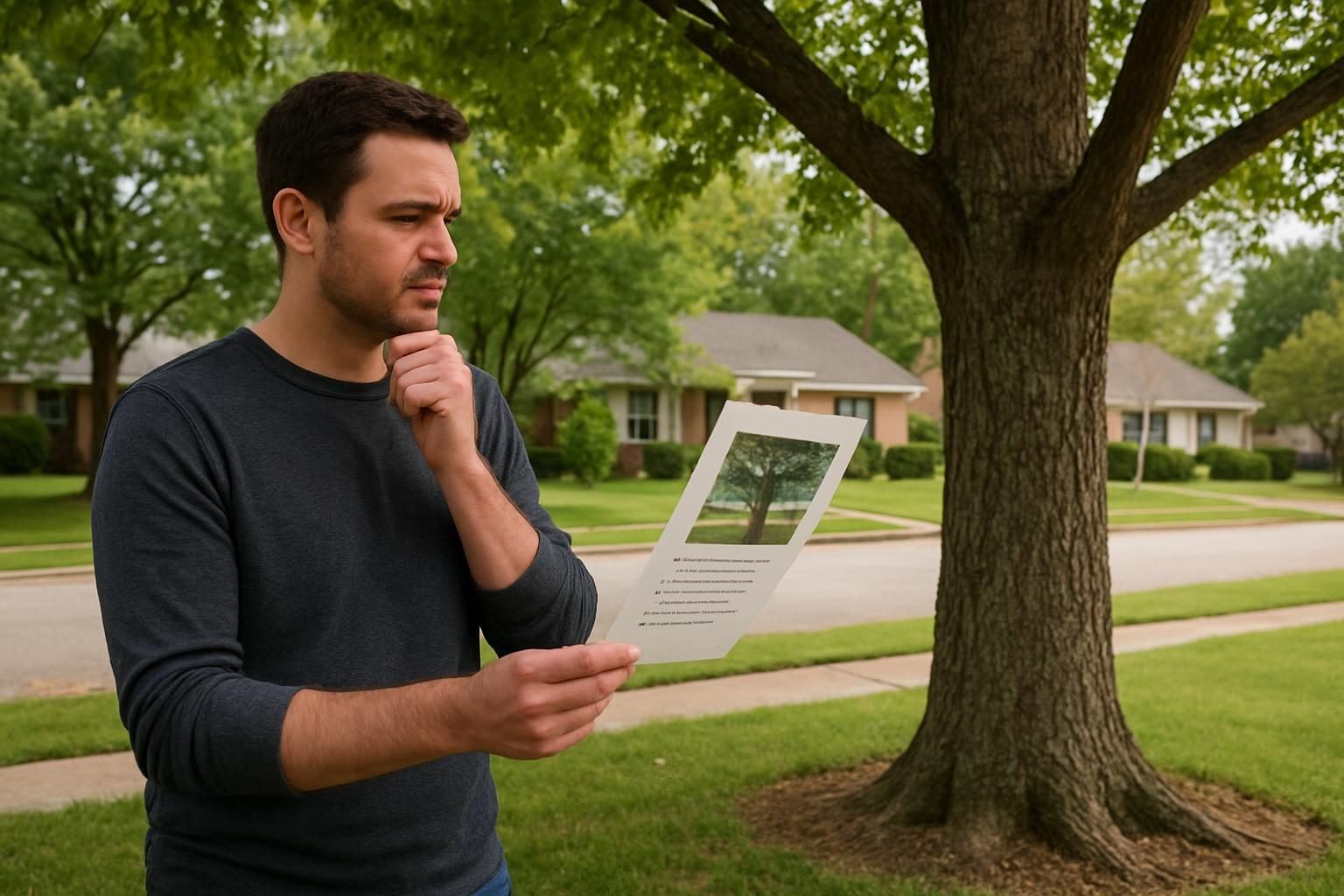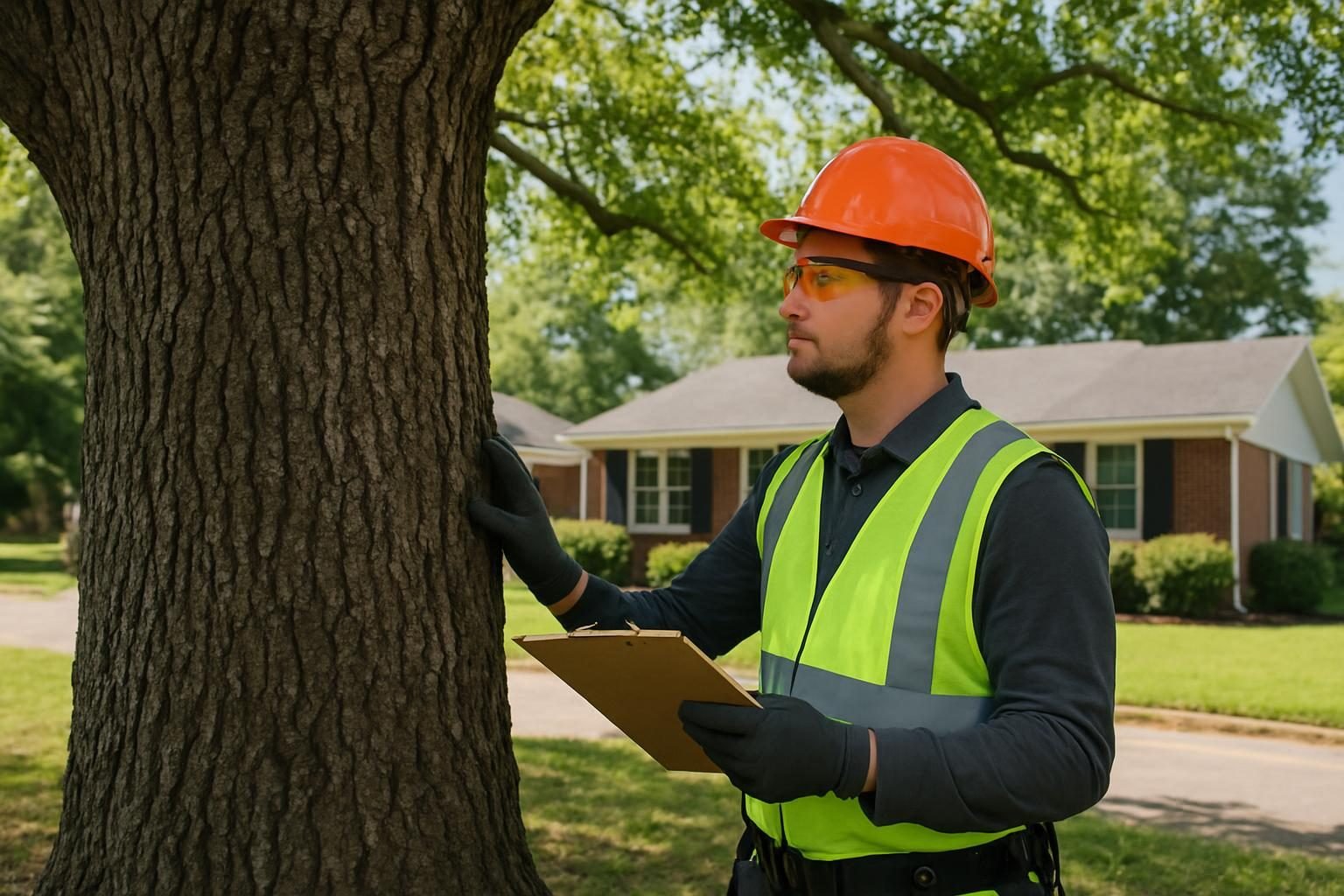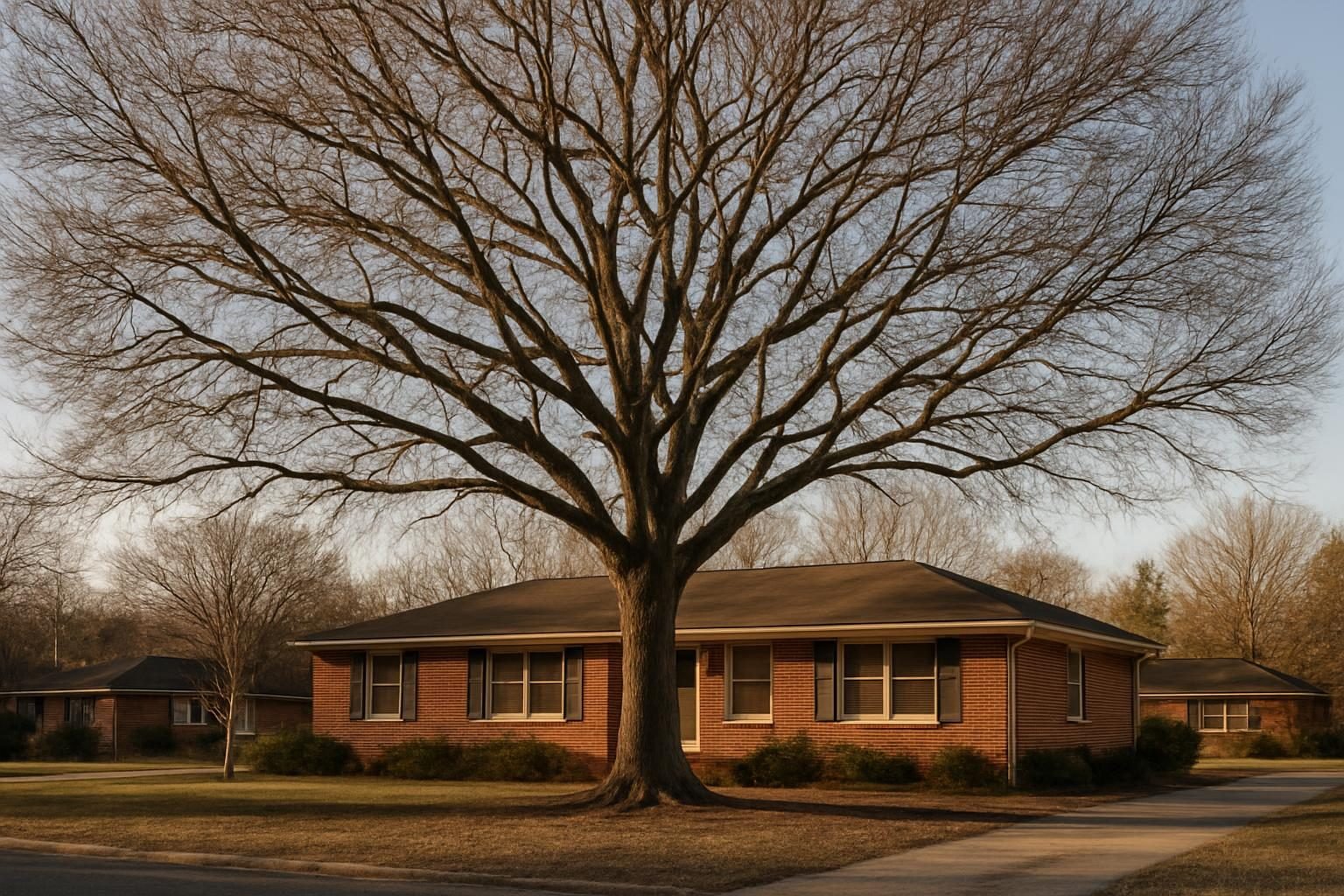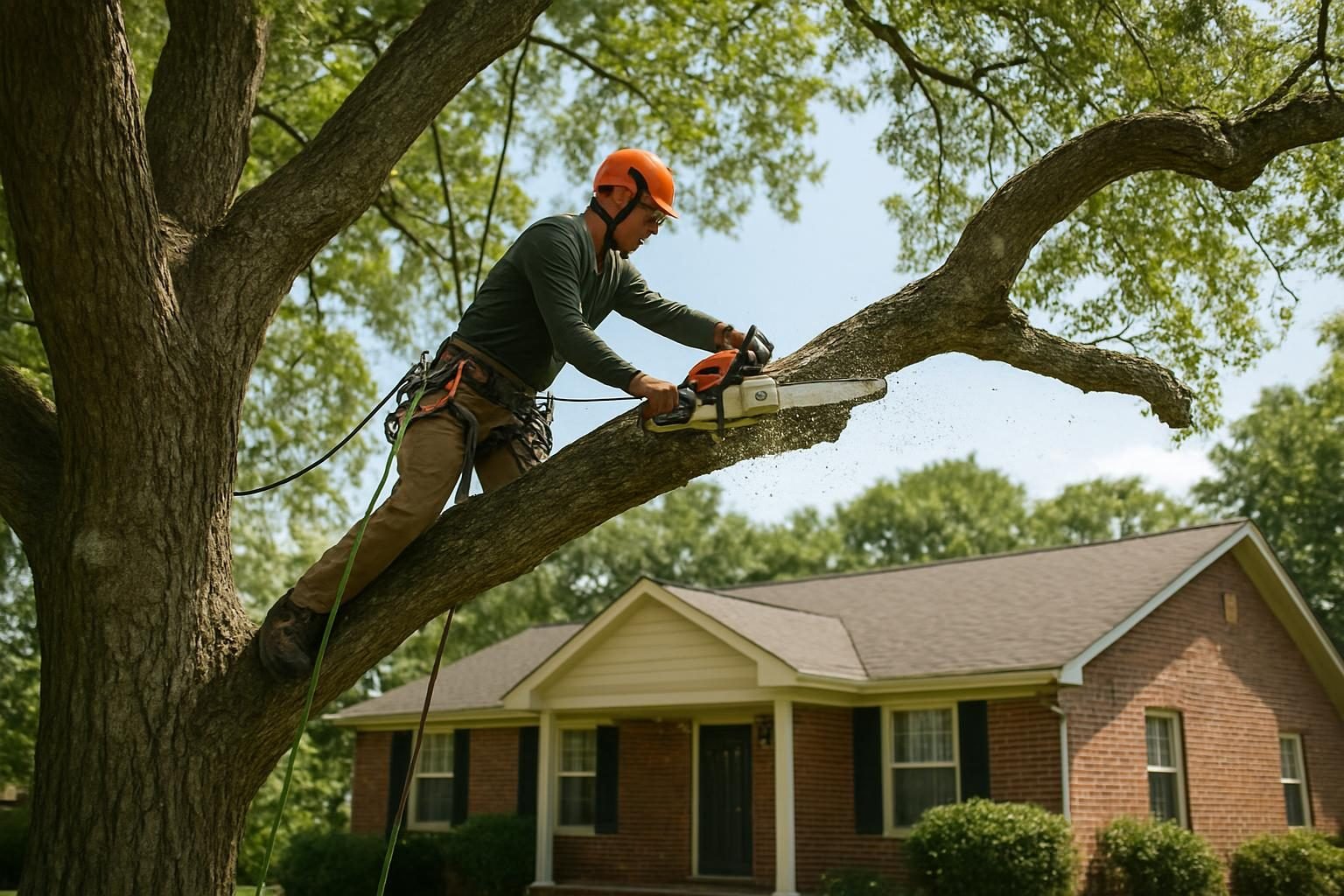
Quick answer: Tree trimming in Fayetteville typically runs about $200 to $500 for a small tree, $350 to $900 for a medium tree, and $700 to $1,800 or more for a large, tall oak or pine. These are rough estimates; the final price depends on height, how much is cut, access, and equipment.
Key takeaways
- Height is the biggest price driver: expect roughly $200 to $1,800+ per tree from small to large.
- Crown reduction costs more than a simple thinning or raising because it takes more skill and time.
- Tight access, power lines, and bucket-truck needs push prices up fast.
- Bundling several trees in one visit and trimming in the off-season can cut your bill.
If you own a home in Fayetteville, Hope Mills, or Spring Lake, you have probably noticed how fast limbs fill in over roofs and driveways. Knowing what a fair tree trimming cost looks like helps you compare bids with confidence and avoid paying for work you do not need.
Want real numbers for your yard? You can request free quotes for tree trimming from local companies using the form on this page.
Average Tree Trimming Cost by Tree Height
Height tells a crew how much climbing, rigging, and cleanup they face. The ranges below are estimates for Cumberland County and will vary by company and job.
- Small trees (under 25 ft): about $200 to $500. Think dogwoods, small crepe myrtles, and young ornamentals.
- Medium trees (25 to 40 ft): about $350 to $900. Typical for mature crepe myrtles, redbuds, and smaller oaks.
- Large trees (40 to 60 ft): about $700 to $1,500. Common for water oaks, sweetgums, and mid-size pines.
- Very large trees (60 ft and up): about $1,200 to $2,500 or more. Tall loblolly pines and big live or willow oaks fall here.
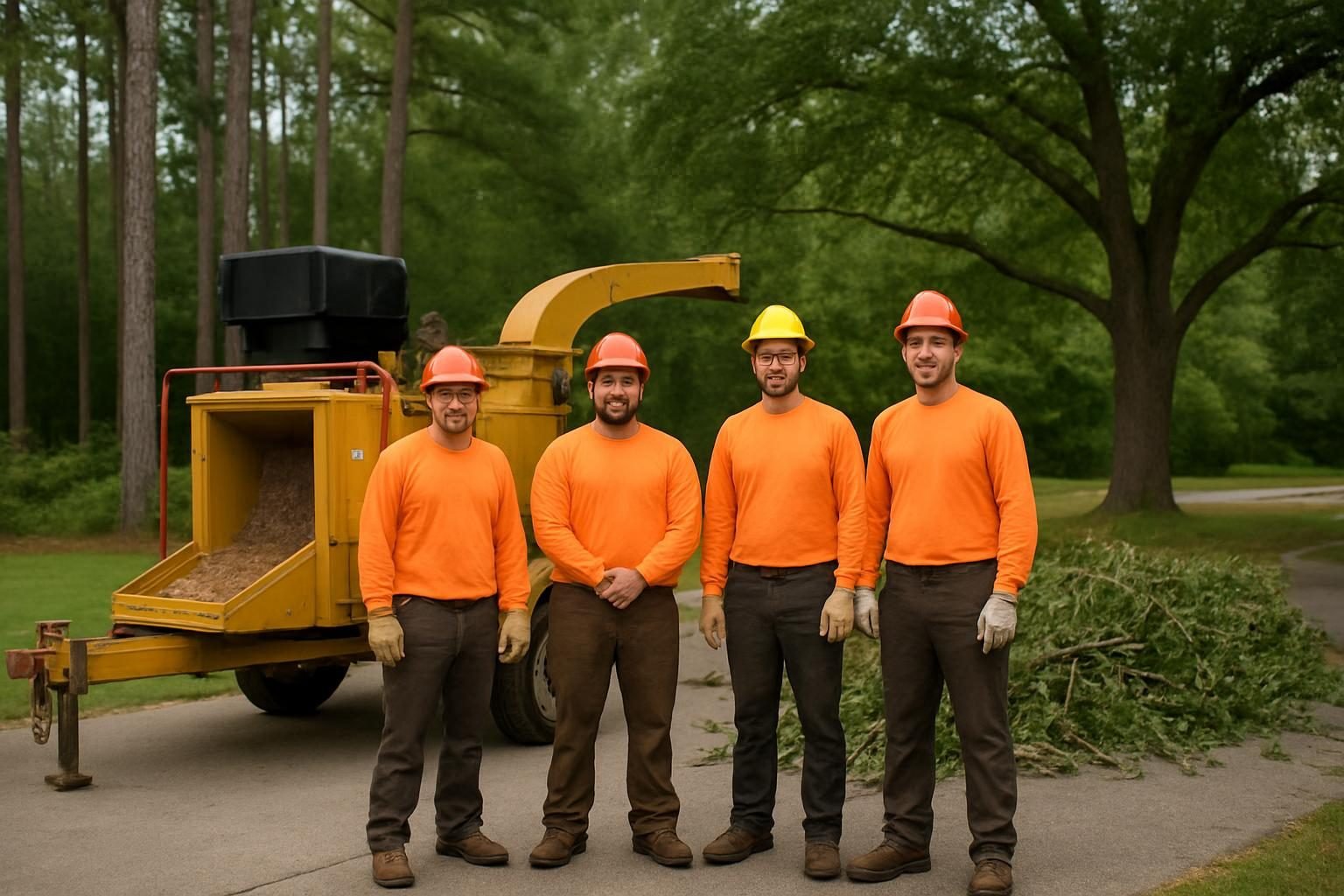
Most companies price by the job rather than by the hour, though some quote a crew rate. Always ask for a written, itemized estimate that says what is being cut and whether debris haul-off is included.
How Trim Type Changes the Price
Not every trim is the same. The goal of the cut determines the labor, and the labor determines the price.
- Crown thinning: Removes select interior branches to let in light and air and reduce wind resistance. Moderate cost, and useful before hurricane season.
- Crown raising: Removes lower limbs to clear roofs, driveways, and sidewalks. Usually the least expensive option.
- Crown reduction: Shortens the overall height or spread of the tree. This is the most skilled cut and often the most expensive.
- Deadwooding: Removes dead or hanging limbs. Priced by how many and how high they are.
Be wary of anyone offering to “top” a tree by chopping off the main branches. Topping weakens the tree and creates fast, weak regrowth. A reputable arborist will talk you out of it.
Pro tip: Ask each bidder which trim type they are quoting. A low price for a “trim” may be a light raise, while another company is pricing a full thinning of the same tree.
Tree Trimming Cost by Species: Oaks, Pines, and Crepe Myrtles
The trees common around Fayetteville each carry their own pricing quirks.
Oaks
Water oaks, willow oaks, and live oaks are heavy and wide, with limbs that can span a roof. Expect the higher end of each height range. Large oaks often need rigging to lower limbs safely. For deeper pricing on the biggest ones, see our guide to large oak tree costs.
Pines
Loblolly and longleaf pines are tall and narrow, so trimming usually means raising the crown or removing dead limbs high up. Height pushes the price more than limb weight. If a pine looks sick, check the signs of southern pine beetle damage before paying to trim a tree that may need to come down.
Crepe myrtles
These are usually the cheapest to maintain, often $150 to $400 each. Proper pruning removes crossing and dead wood, not the “crepe murder” stub cuts you see around town. A guide to crepe myrtle pruning can help you recognize good work.
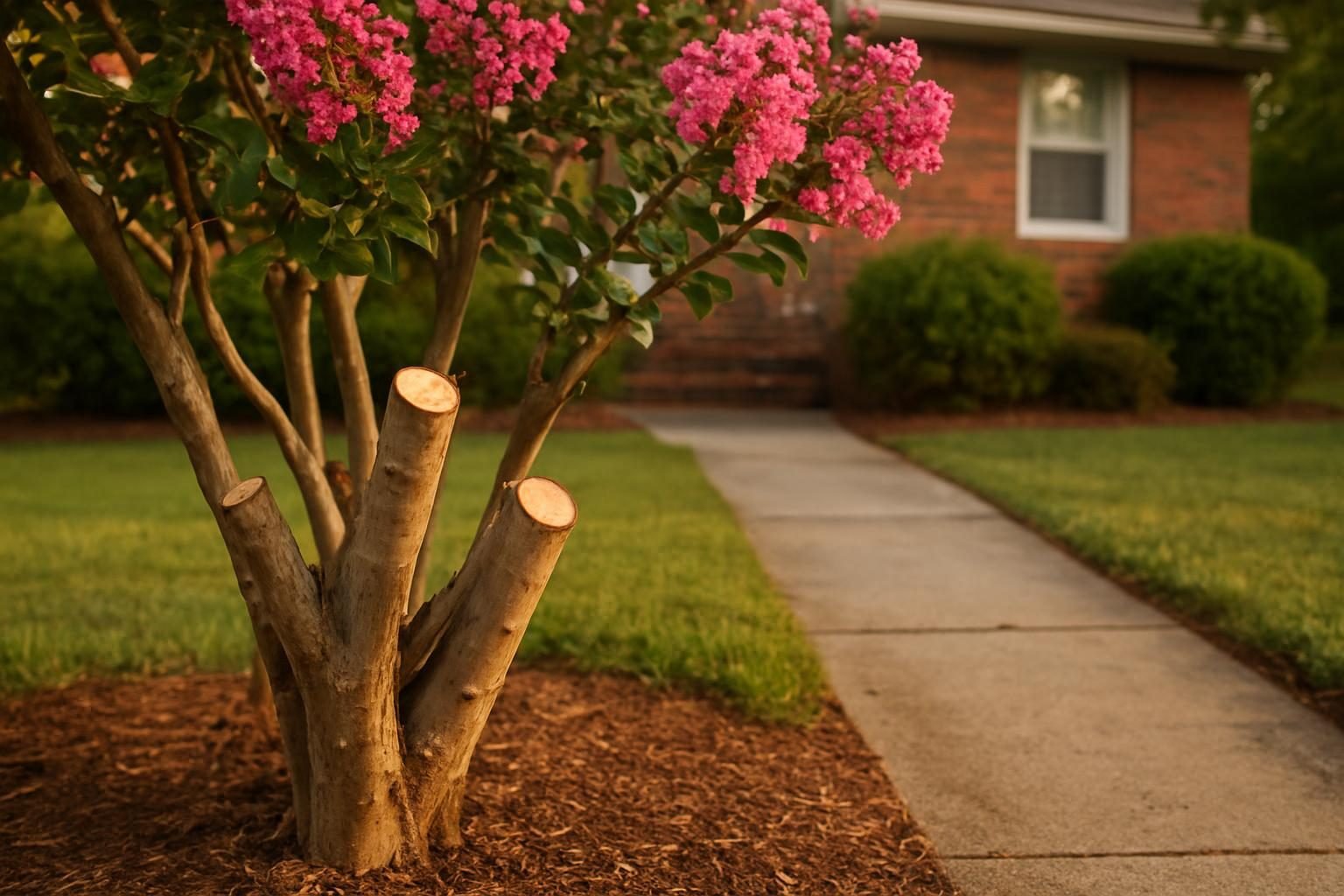
The cheapest bid is rarely the cheapest tree work once poor cuts, damage, or missing cleanup show up.
Access, Equipment, and Other Factors That Raise Your Bill
Two trees of the same size can price very differently based on where they stand.
- Climbing vs. bucket truck: Climbers are often less costly for small to medium trees. A bucket truck speeds up work on tall, sturdy trees but adds equipment cost, and it needs room to reach the tree.
- Tight access: Backyards behind fences, narrow lots, and trees you cannot reach with a truck mean more hand labor and higher prices.
- Power lines: Work near energized lines is specialized and costs more. Never attempt it yourself, and if a limb is already touching a line, read our guide on what to do about a tree on a power line.
- Roof and structure proximity: Cutting limbs over a house takes careful rigging. See our notes on how far to trim trees back from your roof.
- Cleanup and haul-off: Some quotes include chipping and removal; others leave brush at the curb. Confirm it in writing, and review your yard waste disposal options if you plan to handle debris yourself.
- Emergency or storm timing: Rush work after a hurricane costs more. Our breakdown of emergency tree removal cost after a storm shows the gap.
How to Save on Tree Trimming in Cumberland County
You do not have to cut corners on safety to cut your costs. These steps help.
- Get three written quotes. Compare scope, not just price.
- Bundle trees. A crew already set up on your property charges less per tree than separate visits.
- Schedule off-peak. Late winter often has lighter demand than the weeks after a storm. See the best time to trim trees in North Carolina.
- Trim on a regular cycle. Light maintenance every few years costs far less than rescuing an overgrown tree.
- Skip unnecessary work. A professional arborist tree assessment can tell you what a tree truly needs.
- Verify insurance. Ask for proof of liability and workers’ compensation coverage. Uninsured crews can leave you liable for accidents and damage.
For a wider look at pricing across services, see our tree service cost guide for Fayetteville, or read about our tree trimming and pruning services to understand what a good job includes.
Ready to see what your trees would cost? Request free trimming quotes through the form on this page and compare local options side by side.
Frequently Asked Questions
How much does it cost to trim a large oak in Fayetteville?
As a rough estimate, a large mature oak often runs $800 to $2,000 or more, depending on height, how much is removed, and whether rigging is needed near a house.
Is it cheaper to trim a tree or remove it?
Trimming is usually cheaper up front. But if a tree is dying, leaning, or structurally unsound, removal may be the safer choice. Our guide to the signs a tree is dying can help you decide.
Does homeowners insurance cover tree trimming?
Routine trimming is generally considered maintenance and is not covered. Damage from a fallen tree may be, depending on your policy. Check the details in our article on homeowners insurance and tree removal in North Carolina and confirm with your insurer.
How often should I trim my trees?
Most mature trees do well with trimming every three to five years, though fast growers and trees near structures may need it more often. A local arborist can recommend a schedule for your species.
Get free tree trimming quotes in Fayetteville
A local tree service will contact you with a free, no-obligation quote for your trimming job.