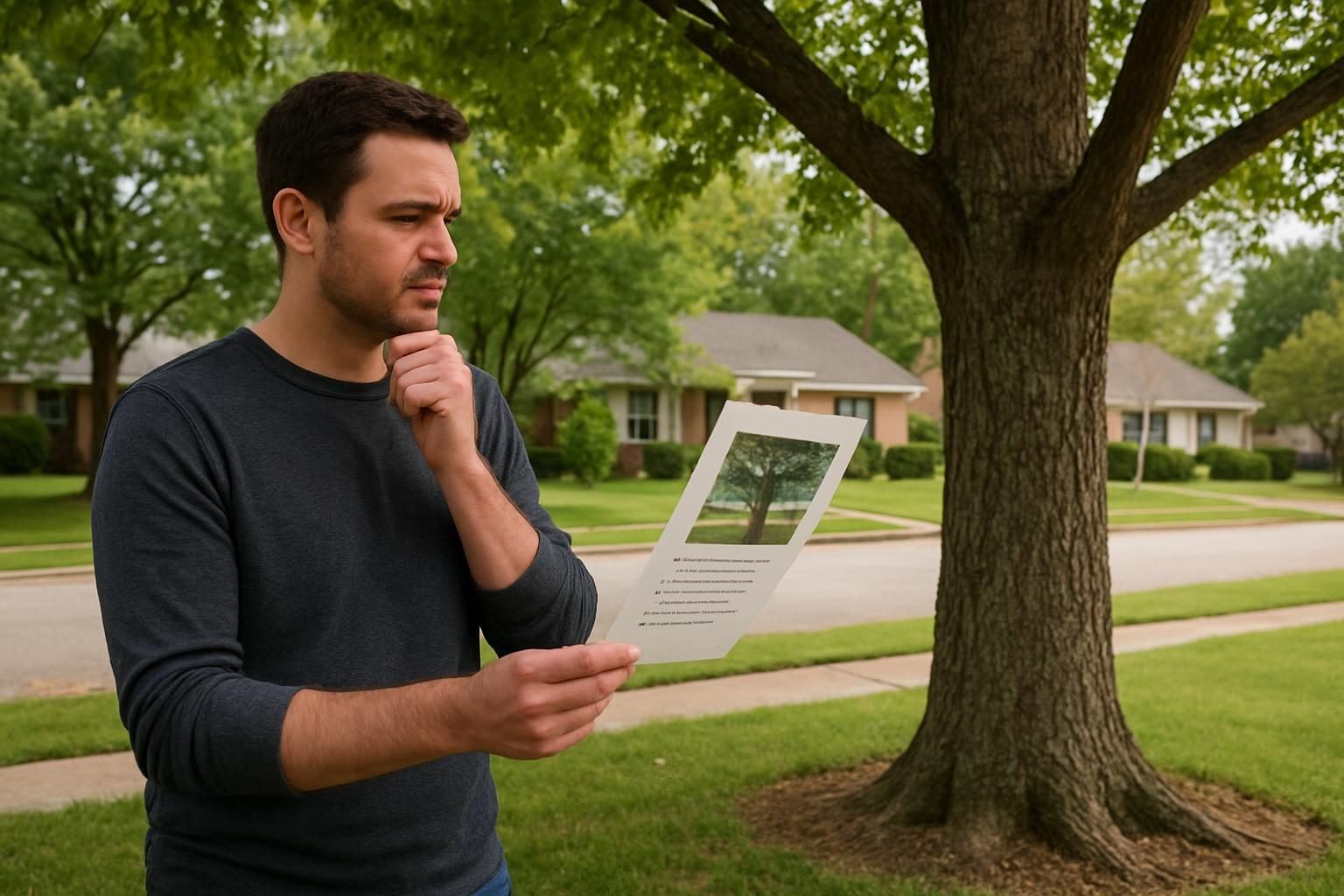
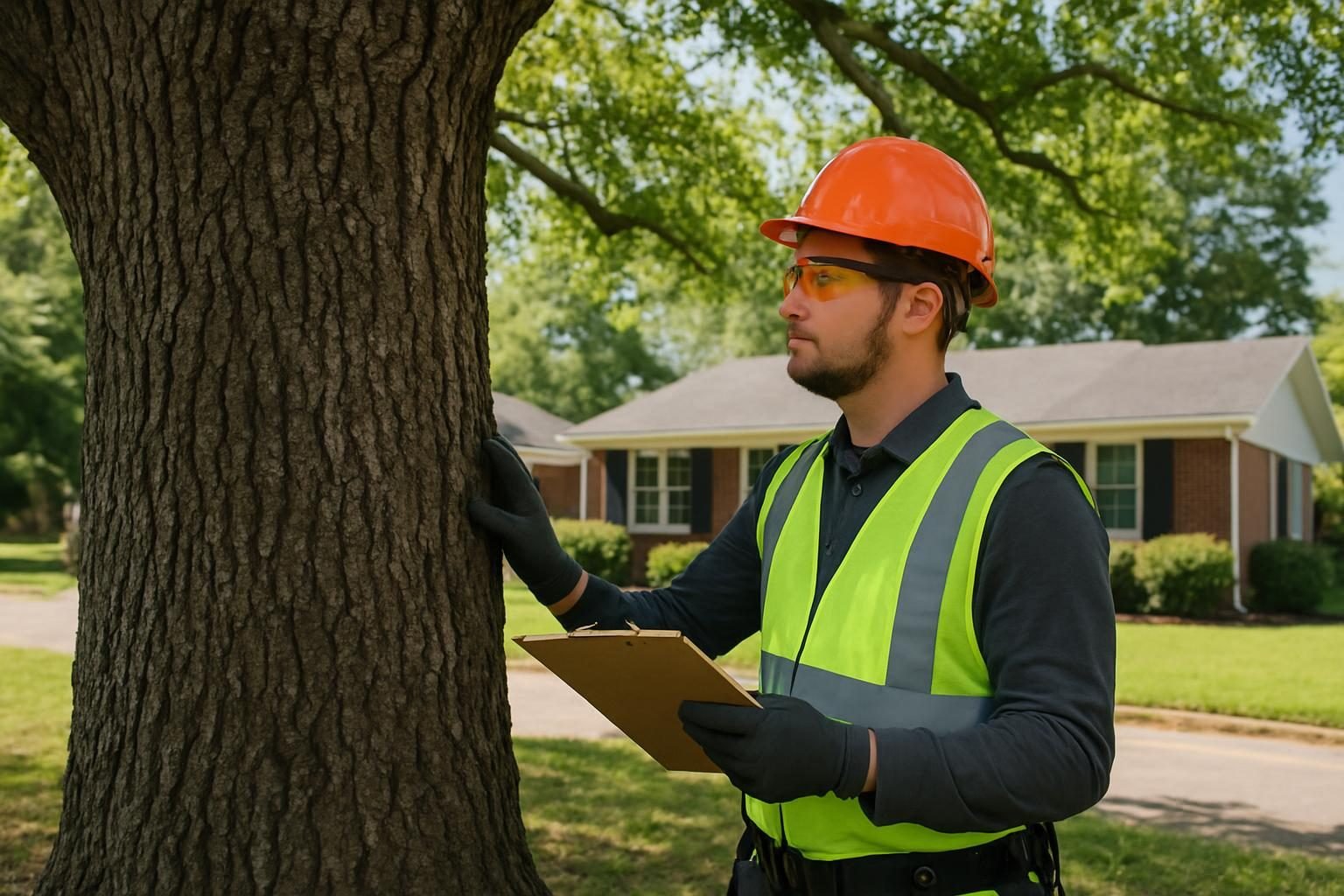
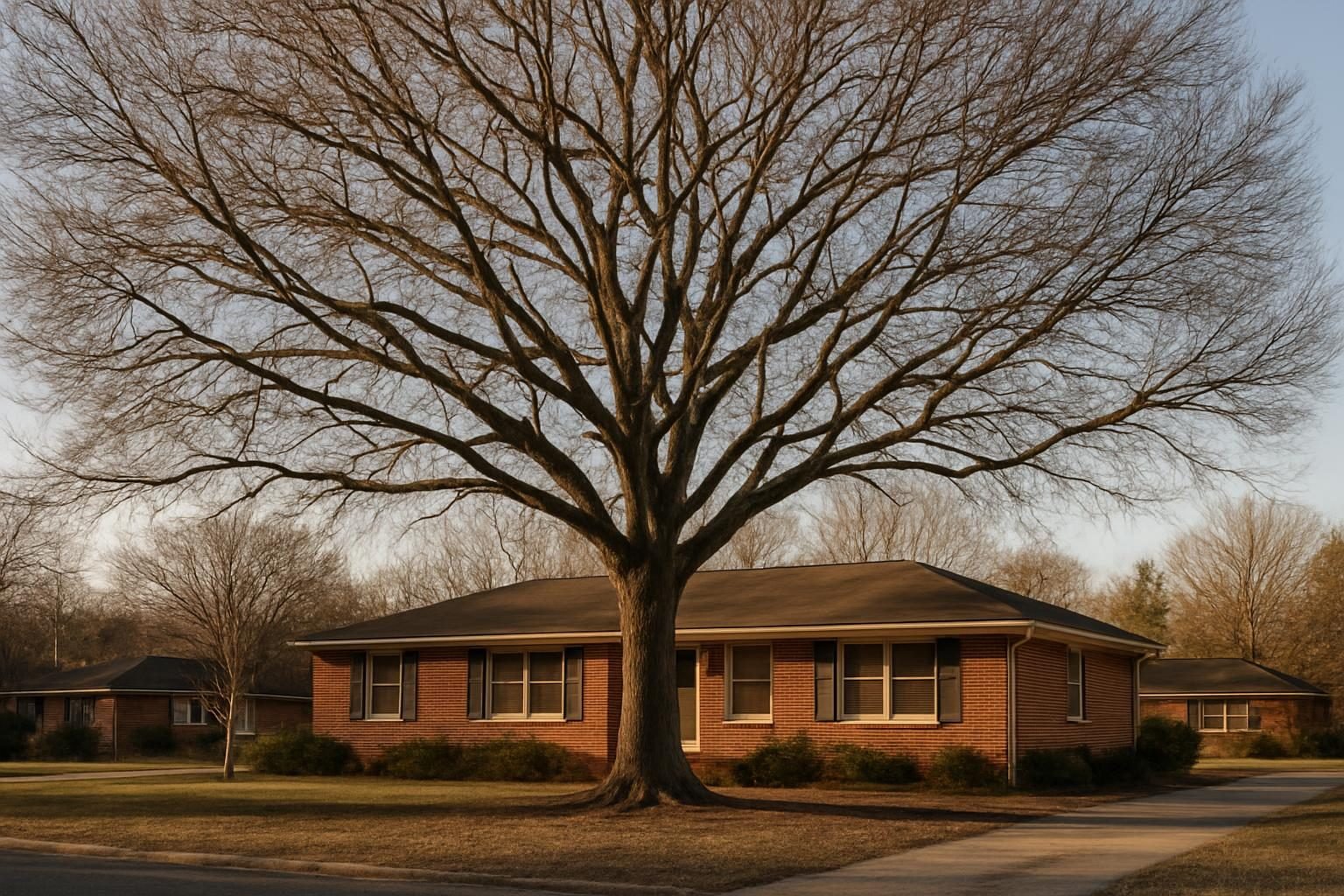
Quick answer: Pine tree removal in Fayetteville is usually worth doing when a pine is dead, beetle-damaged, leaning, or standing close enough to a house, power line or driveway that a failure would cause serious damage. Most pines here are tall, so removal is typically done in sections by climbers or with a crane, and the price depends mainly on height, access and cleanup. Getting two or three quotes is the easiest way to see what your specific tree will cost.
Pines define the Cumberland County landscape. Loblolly pines fill suburban lots in Fayetteville and Hope Mills, while longleaf pines are common around Fort Bragg, Spring Lake and the sandhills toward Raeford. They are beautiful trees, but when one fails, it usually does so from a great height. This guide explains when pine removal makes sense and how the work actually gets done.
If you already have a tree in mind, you can request a free pine removal quote using the form on this page.
Key takeaways
- Dead, beetle-infested, leaning and storm-damaged pines are the most common removal candidates.
- Loblolly pines often reach 80 to 100 feet or more, which makes removal a sectional, equipment-heavy job.
- Height, nearby structures, access and cleanup drive the price more than trunk size alone.
- A healthy pine far from structures usually does not need removal, but an arborist can confirm that.
- Hire insured crews and compare written quotes that spell out stump and debris handling.
Why Pine Trees Get Removed in Fayetteville
Homeowners rarely remove a healthy pine on a whim. Most removals trace back to a handful of problems that are common in our area.
- Dead or dying needles and crown: Browning from the top or all at once often means the tree is already lost. Our guide on how to tell if a pine tree is dead or dying covers the warning signs.
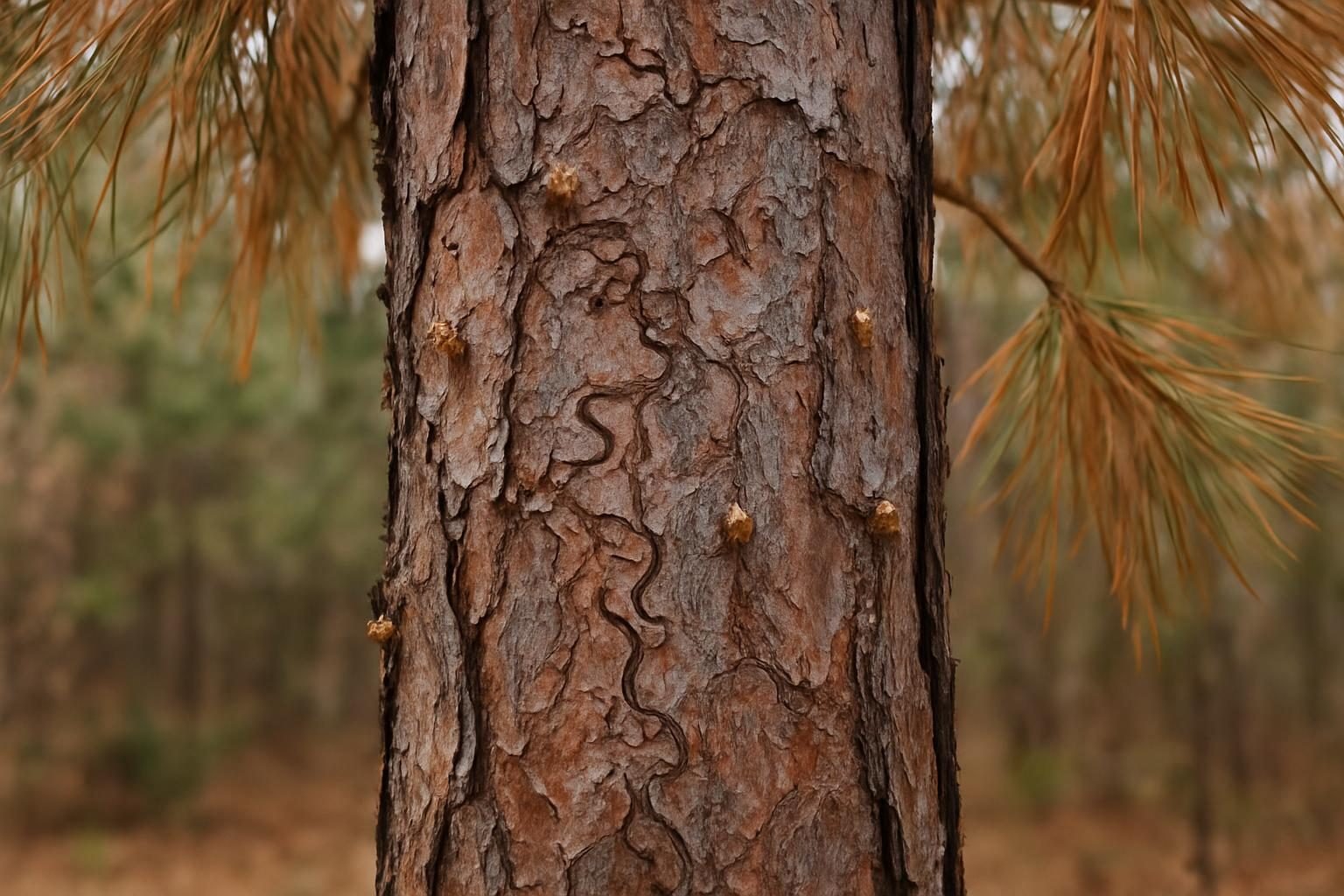
- Bark beetle damage: Southern pine beetles and other bark beetles attack stressed trees and can kill a pine within weeks to months. Pitch tubes (small popcorn-like blobs of resin), fine sawdust and S-shaped galleries under the bark are common signs.
- Leaning or root-lifted trees: A pine that has shifted after a storm, with soil heaving on one side, is at real risk of falling.
- Proximity to the house: A tall pine within falling distance of a roof, bedroom wall or garage is a liability even when it looks fine.
- Storm damage: Snapped tops, split trunks and broken limbs hanging in the canopy often make removal safer than repair.
- Construction or clearing: New driveways, pools and additions sometimes require taking pines out. Larger projects may fall under land clearing.
If you are still deciding, when to remove a pine tree near your house walks through the judgment call in more detail.
Beetle Damage and Declining Pines
Bark beetles tend to go after pines that are already under stress. Drought, root damage from construction, crowded stands and storm injury all make a tree more vulnerable.
Once beetles have colonized a tree, treatment is rarely successful. The usual approach is to remove the tree promptly so the infestation does not spread to neighboring pines. Waiting also lets the wood dry out and turn brittle, which makes the removal itself more dangerous.
Signs worth a closer look:
- Needles fading from green to yellow, red or brown
- Small resin tubes or pitch streaming on the trunk
- Tiny exit holes, like a shotgun pattern, in the bark
- Woodpecker activity that seems unusually heavy
- Bark peeling away to reveal winding tunnels
A consultation can confirm whether a tree is beetle-killed, stressed or simply shedding normal older needles. An arborist tree assessment is a good step when you are unsure, especially if several pines on your lot look off at once.
A pine that beetles have already colonized rarely recovers, and every week of waiting makes removal riskier.
Storm Failure Risk for Loblolly and Longleaf Pines
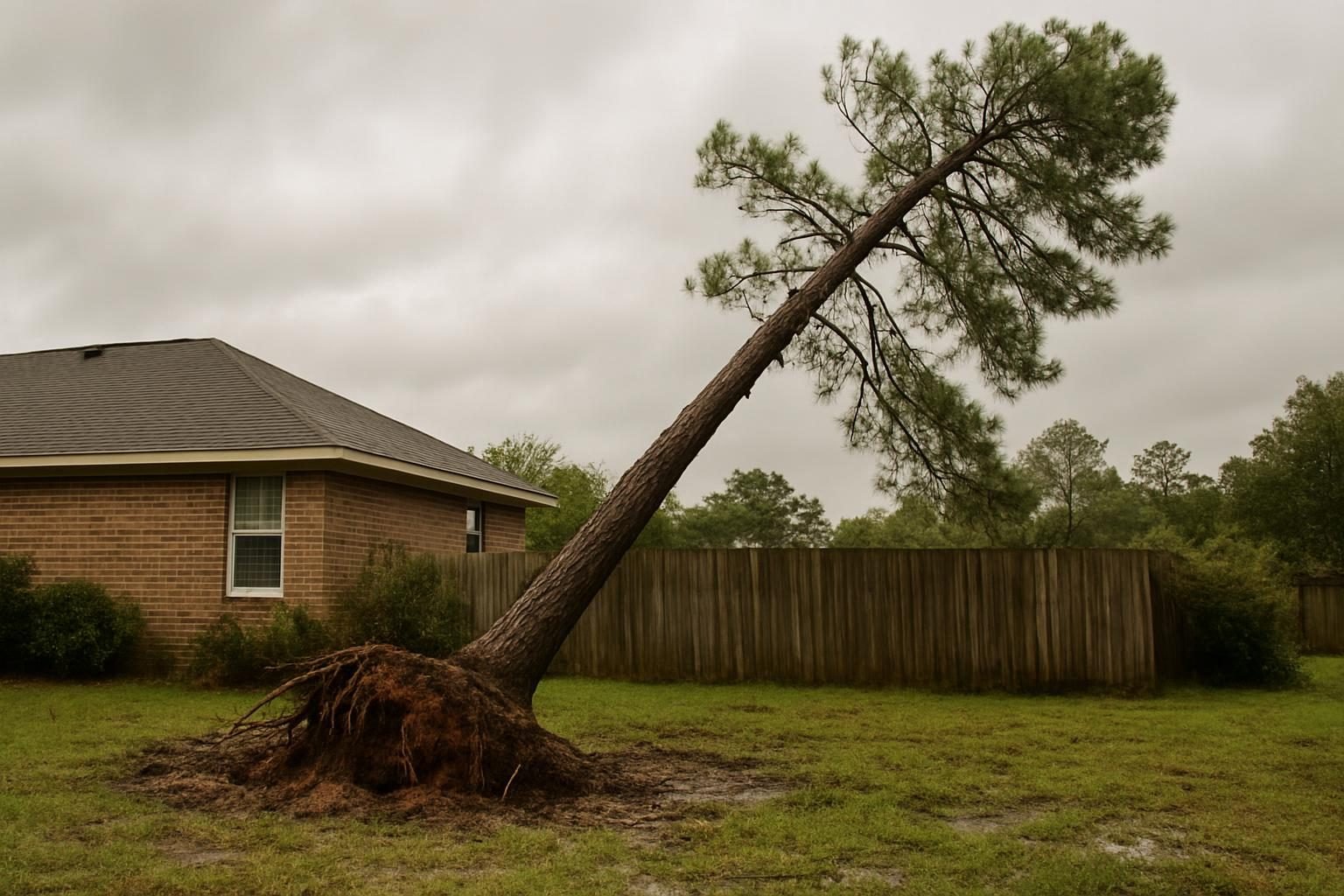
Pines handle wind differently than hardwoods. Loblolly pines in particular have tall, narrow crowns and relatively shallow root plates in our sandy and clay-mix soils. After a long stretch of rain, a hurricane or tropical storm can topple them or snap trunks partway up.
Longleaf pines generally have deeper taproots and tend to hold up better, but they are not immune, especially if roots have been cut or soil has been disturbed.
Risk factors to watch:
- Saturated soil combined with high wind
- Recent trenching, grading or fence-post digging near the roots
- Trees that have lost neighbors and now stand exposed
- Multiple trunks or forked tops
- Previous lightning strikes or visible trunk cracks
If a pine has already come down or is hanging on a structure, see our page on emergency storm tree removal. For prevention before the season starts, the hurricane season tree prep checklist helps you spot problem trees early.
How Tall Pine Tree Removal Actually Works
Many homeowners are surprised that a pine cannot simply be cut at the base and dropped. Fayetteville lots are often tight, with houses, fences, pools and utility lines within reach of a falling trunk.
Common removal methods
- Straight felling: Possible only when there is a large, clear drop zone, such as on a rural lot near Raeford or Stedman. The crew cuts a directional notch and drops the tree whole.
- Climbing and sectional removal: A climber ascends the tree, removes limbs, then cuts the trunk in pieces that are lowered with ropes or allowed to fall in a controlled spot.
- Bucket truck work: A lift reaches the upper trunk safely when ground space allows the vehicle to get close.
- Crane-assisted removal: The crane holds each section as it is cut, then swings it to the ground. This is the safest option for pines over a roof or in a backyard with no truck access. Learn more in our guide on when you need crane tree removal and what it costs.
Dead pines add difficulty. The wood can be brittle, so climbers may avoid putting their full weight on weak limbs and may rely more on cranes or lifts.
Pro tip: Before the crew arrives, move vehicles, patio furniture, grills and trampolines well away from the work zone, and tell the crew where irrigation lines or septic components sit.
What Affects Pine Tree Removal Cost in Fayetteville
Every tree is priced individually, so any range is only an estimate. As a rough illustration, small to medium pines may run a few hundred dollars, while very tall pines near structures or those requiring a crane can run well into the thousands. For detailed ranges, see our breakdowns of pine tree removal cost in Fayetteville and how much it costs to remove a pine tree.
The factors that move the price:
- Height and trunk diameter: More wood and more risk mean more labor.
- Location: Pines over a roof, fence or power line cost more than pines in an open yard.
- Access: Narrow gates, backyards with no truck route and soft ground can require extra equipment.
- Tree condition: Dead, rotten or storm-damaged trees often take more care.
- Cleanup: Hauling away logs and brush costs more than leaving wood on site.
- Stump grinding: Usually priced separately. See stump grinding for details.
- Urgency: Emergency and after-storm calls generally cost more than scheduled work.
For broader pricing context, the tree service cost guide compares typical jobs across the area.
Pine height matters, but access and what sits beneath the tree often decide the final price.
Permits, Insurance and Hiring the Right Crew
Rules vary depending on whether your property is inside city limits, in an unincorporated part of the county, or in an HOA. Some areas regulate certain trees or require permits for specific situations, so it is worth checking before work begins. Our article on whether you need a permit to remove a tree in Fayetteville or Cumberland County explains where to look.
Insurance is a separate question. Policies commonly cover tree removal only when a tree damages a covered structure, and rules differ by policy, so confirm details with your insurer. See does homeowners insurance cover tree removal in North Carolina for common scenarios.
When comparing companies, ask for:
- Proof of liability insurance and workers’ compensation
- A written, itemized quote that lists removal, cleanup, stump grinding and wood disposal
- A clear explanation of the removal method for your specific tree
- A realistic timeline and what happens if weather delays the job
Be cautious of unusually low bids or door-to-door offers after storms, since uninsured crews can leave you responsible for damage or injuries. Our guide to cheap tree removal in Fayetteville and how to avoid red flags covers what to watch for. If you also want to know how to evaluate quotes, our upcoming guide on how to hire a tree service company will go step by step.
Local Considerations Around Fayetteville
Where you live in Cumberland County affects the job. In Fayetteville and Hope Mills, older neighborhoods have mature pines packed close to houses and overhead lines. In Spring Lake and near Fort Bragg, many lots include sandy soil that can loosen after heavy rain. In Raeford and Stedman, larger rural parcels sometimes allow straight felling but may also involve long equipment access routes.
Local pages cover area-specific details, including tree service in Fayetteville and tree removal in Raeford for rural lots with large pines. General information about our core service is on the tree removal in Fayetteville page.
Not every pine needs to come down. If a tree is healthy but crowding the roof, tree trimming and pruning may reduce risk. Avoid topping, which weakens pines and does not make them safer.
Ready to see what your pine would cost to remove? Request free, no-obligation quotes from local tree service companies using the form on this page.
Frequently Asked Questions
How do I know if a pine tree needs to be removed?
Dead needles, beetle signs, a noticeable lean, cracked trunks or storm damage are the most common reasons. A tree close to your home that is declining deserves a professional look sooner rather than later.
Can a pine tree be saved from beetles?
Once beetles have taken hold, saving the tree is unlikely. Prevention through healthy soil, proper watering during drought and avoiding root damage is more effective than treatment after the attack starts.
Is it cheaper to remove a pine tree before it dies?
Often, yes. Dead pines can become brittle and hazardous to climb, which may require more equipment or labor. Removing a declining tree early can also avoid emergency pricing if it fails during a storm.
Should I grind the stump after removing a pine?
Pine stumps can attract insects and take years to decay, and they can get in the way of landscaping or mowing. Grinding is a common add-on, and it is worth asking whether your quote includes it.
Get a free pine tree removal quote in Fayetteville
A local tree service company will contact you with a free, no-obligation quote for your pine removal.