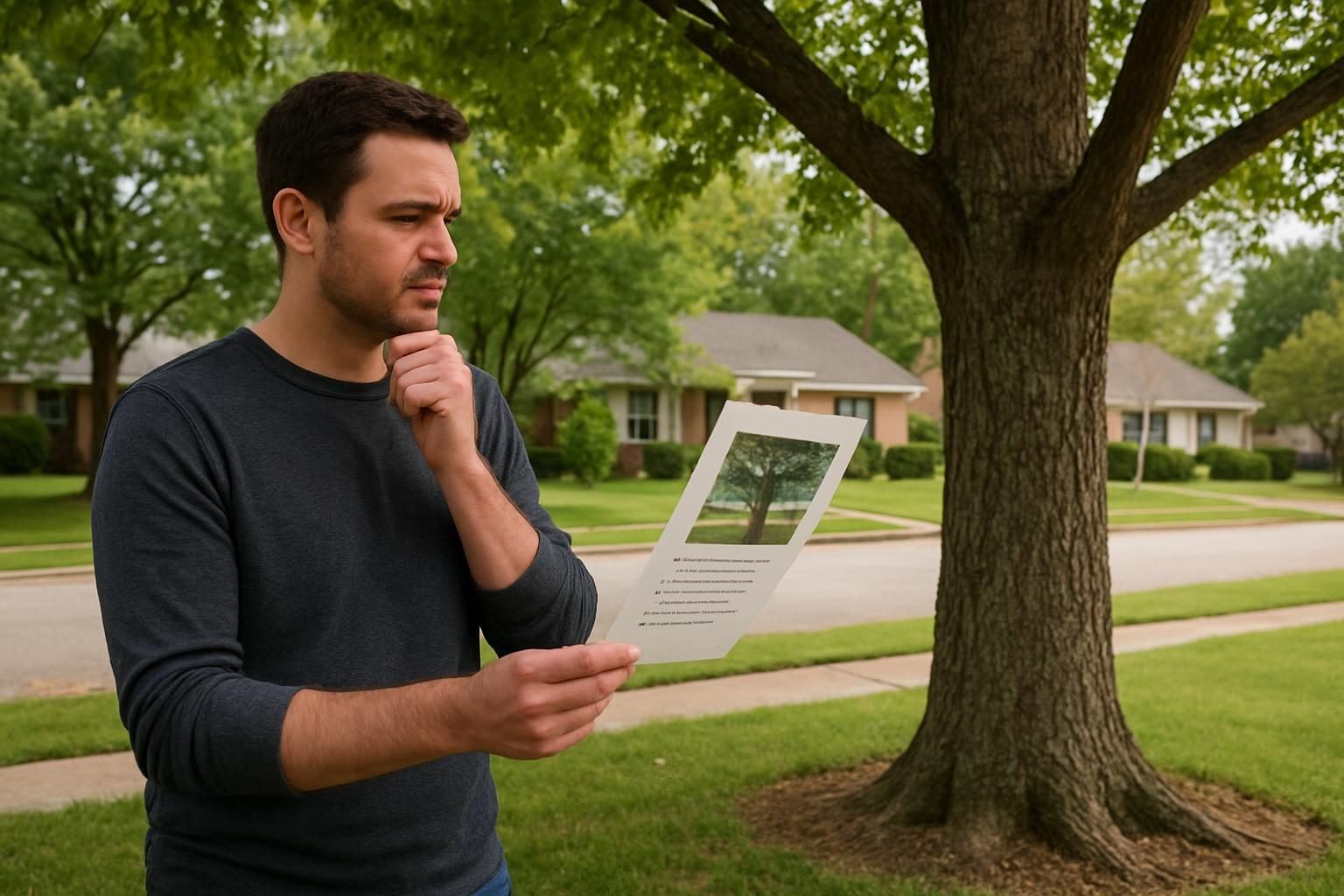
Quick answer: Who handles a problem tree depends on where you live. On-post housing tree issues generally go through your housing office, off-post renters usually start with the landlord, and off-post owners are responsible for hiring and paying for their own tree service. If a PCS move is coming, start early so quotes, scheduling and any approvals do not collide with your report date.
Key takeaways
- On-post: report tree concerns to housing management; do not hire your own crew.
- Off-post rental: notify the landlord or property manager in writing before anything else.
- Off-post owner: you choose, hire and pay the tree company, so verify insurance and get written quotes.
- PCS timing: request quotes 4 to 6 weeks out when you can; storm season can stretch schedules.
Families stationed near Fort Bragg, whether in Fayetteville, Spring Lake, Hope Mills or out toward Raeford and Stedman, often arrive with little time to learn local rules. Tall pines, large oaks and frequent summer storms mean tree questions come up fast. This guide breaks down who is responsible for what, so you know the right first call.
Want help lining up local pros? Request a free tree removal quote using the form on this page.
On-Post Housing: Tree Issues Go Through Housing Management
If you live in on-post or privatized family housing, the trees on your lot are generally not yours to remove or hire out. Housing management or the housing partner typically controls grounds, tree work and any related maintenance. Policies differ by neighborhood and over time, so confirm details with your housing office.
- Report it: submit a maintenance request describing the tree, its location and why it worries you (dead limbs, leaning, roots lifting a walkway).
- Document it: take dated photos from a few angles.
- Emergencies: if a tree or limb has fallen on a home, vehicle or power line, follow your housing emergency maintenance procedure and keep everyone away from the area.
- Do not hire a private crew for on-post property unless housing management explicitly approves it in writing.
Keep copies of every request and reply. If you are within a few weeks of a move-out inspection, that paper trail helps show a tree concern was reported before you left.

Off-Post Renters: Start With Your Landlord
Renting a house in Fayetteville, Hope Mills or Spring Lake puts you in the middle. You live with the tree every day, but the owner usually holds responsibility for the property itself. Your lease is the first thing to read, since it may spell out who handles trees and yard care.
What renters should do
- Notify in writing. Email or send a message through the landlord’s portal with photos and a clear description.
- Ask who arranges the work. Many landlords prefer to hire their own contractor or approve one in advance.
- Do not cut or remove trees on your own. Unapproved work can create lease problems or liability.
- Follow up. If the tree looks dangerous and you get no response, say so plainly in writing.
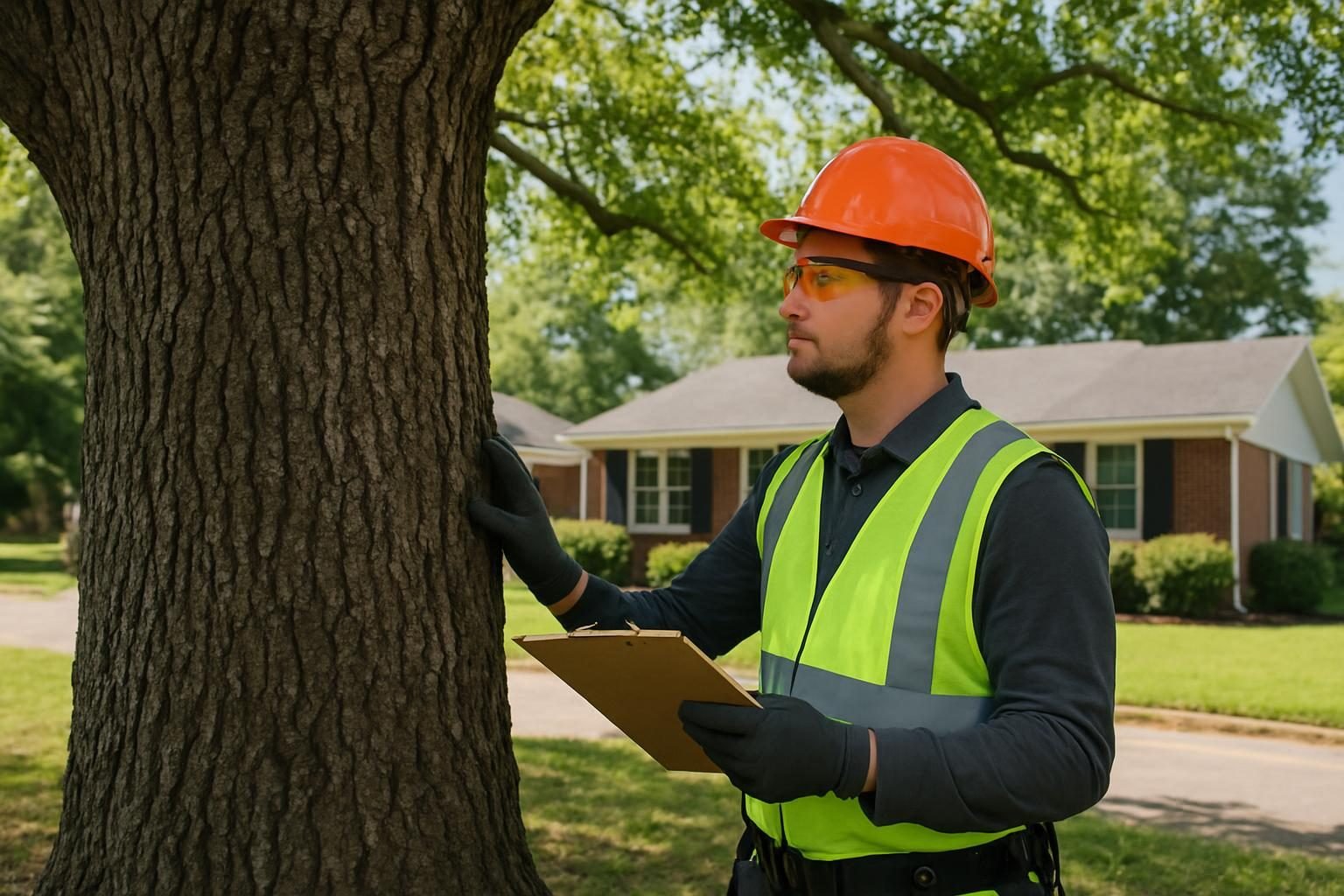
Landlords sometimes ask for a professional opinion. An arborist tree assessment can document whether a tree is actually hazardous, which gives everyone something concrete to act on.
Pro tip: If the tree is a hazard and the landlord is slow to respond, check your lease for an emergency repair clause and consider contacting your installation legal assistance office for guidance specific to your situation.
Whoever owns the home owns the tree, and the paper trail you build early protects you later.
Off-Post Homeowners: You Hire and You Pay
Buying near Fort Bragg means tree work is your responsibility, including trimming, removal, stump grinding and cleanup. That also means you control timing and choose the company. Our guide for off-post homeowners and renters covers more of the local picture.
Before you hire
- Get 2 to 3 written quotes that specify what is included (cleanup, hauling, stump work).
- Ask for proof of liability insurance and workers’ compensation and confirm it directly if you can.
- Be wary of pressure. Door-to-door crews after a storm are a common red flag; see our piece on spotting storm chasers.
- Check rules. Some tree removals may need approval depending on location, so read about permits for tree removal in Fayetteville.
For a full overview of the service itself, see our tree removal in Fayetteville page.
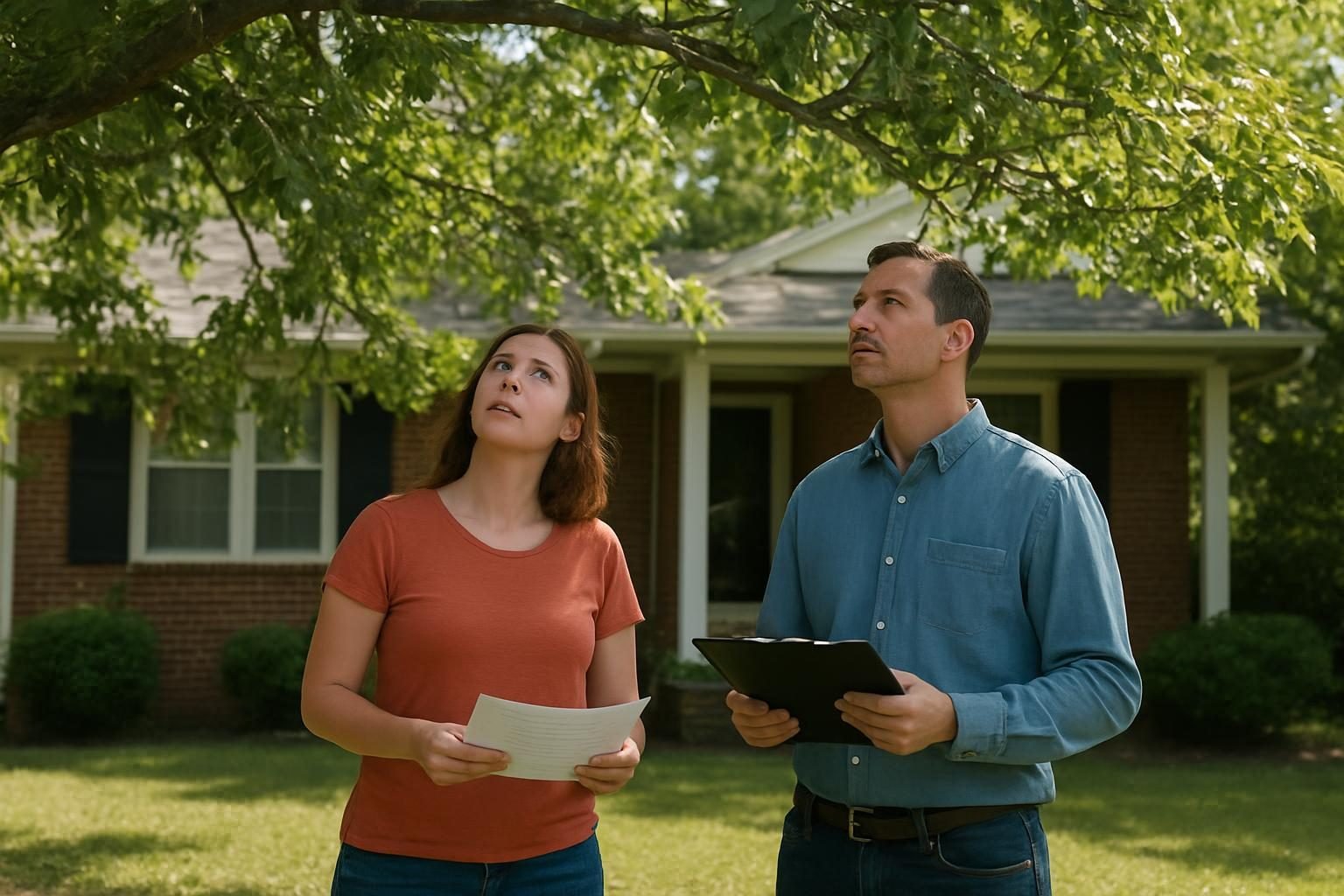
Tree Removal Near Fort Bragg: What It May Cost
Prices vary widely with tree height, location, access and risk. As rough estimates only, small trees may run a few hundred dollars, mid-size trees often land in the several-hundred to low-thousands range, and large or hazardous trees near structures can cost more, especially if a crane is needed. Your actual quote will depend on the specific tree and site.
- Size and species: tall loblolly pines and big oaks take more labor and equipment.
- Access: tight backyards and trees over roofs raise the price.
- Add-ons: stump grinding and debris hauling may be separate line items.
- Urgency: storm-damage jobs often cost more than scheduled work.
For ranges by tree size, see tree removal cost by tree size in Fayetteville. Insurance may help in some situations, which we cover in whether homeowners insurance covers tree removal. Coverage depends on your policy, so confirm with your agent.
A quote that lists exactly what is included is worth more than the lowest number on the page.
PCS Timing Tips for Tree Work
A move on a fixed date changes how you plan. Trees do not wait for orders, and neither do closing dates or lease ends.
- Start early. Request quotes as soon as you have orders, ideally 4 to 6 weeks before you leave. Schedules can fill up, especially after storms.
- Selling a home? A dead or leaning tree can come up during inspections. Addressing it before listing may avoid last-minute negotiation.
- Renting out your home? Handle known tree hazards before tenants move in, and put maintenance expectations in the lease.
- Leaving a rental? Report concerns to the landlord before move-out so they are on record.
- Moving in? Walk the yard in the first week. Look for dead limbs, branches over the roof and leaning trunks.
- Get everything in writing. If you will be away during work, confirm date, scope and payment terms in advance.
Checking branch clearance is a good first-week task; our article on trimming trees back from your roof explains what to look for. We also plan to cover tree removal before a PCS move in more depth.
Hurricane Season and Deployments
If a spouse is deployed or you are traveling, a storm can leave one adult handling everything. A little prep goes a long way.
- Have a tree company in mind before storm season. Our hurricane tree prep checklist walks through what to do ahead of time.
- Know the steps if the worst happens: what to do when a tree falls on your house.
- Stay clear of downed lines and call the utility; see what to do about a tree on a power line.
You can also read about local help on our tree service near Fort Bragg page.
Ready to compare options before your move or the next storm? Request free tree removal quotes from local companies using the form on this page.
Frequently Asked Questions
Can I hire my own tree service for a tree in on-post housing?
Generally no. Tree work on on-post housing typically goes through housing management or the housing partner. Submit a maintenance request first and ask what is allowed.
Who pays if a tree falls on a rental house?
It depends on the lease, the cause and insurance. The owner’s policy usually covers the structure, while your renter’s policy may cover your belongings. Notify the landlord and your insurer promptly.
How soon should I schedule tree removal before a PCS?
Aim for several weeks ahead when possible. That leaves time for quotes, scheduling, weather delays and any needed approvals.
Does homeowners insurance cover tree removal?
Sometimes, such as when a tree damages a covered structure, but not typically for routine removal. Check your policy and talk with your agent.
Get free tree removal quotes near Fort Bragg
A local tree service company will contact you with a free, no-obligation quote.