Quick answer: For a tree removal after a hurricane insurance claim in NC, photograph everything before anything is moved, get a written estimate from an insured local tree company, and call your insurer before major work begins. Coverage depends on your specific policy, so confirm details with your agent or adjuster. This article is general information, not insurance or legal advice.
Key takeaways
- Take wide and close-up photos and video of the tree, the damage and the surrounding property before cleanup.
- Only make emergency, safety-driven moves first (like clearing a blocked driveway) and keep records of why.
- Get written estimates that itemize removal, debris hauling and stump work.
- Policies commonly cover trees that hit a covered structure, but rules vary, so confirm with your insurer.
- Keep every receipt, photo and email in one folder until the claim is closed.
After a hurricane or tropical storm moves through Cumberland County, the first instinct is to get the tree out of the way as fast as possible. That instinct is understandable, but a few minutes of documentation can make the difference between a smooth claim and a frustrating one. Whether you live in Fayetteville, Hope Mills, Spring Lake or out toward Stedman, the same basic steps apply.
If you need a crew to look at storm damage while you gather your paperwork, you can request a free tree removal quote using the form on this page.
Safety First, Then Documentation
Before you grab your phone to take photos, make sure the area is safe. Storm-damaged trees can hold hidden tension, and a tree resting on a roof or power line is not a DIY situation.
- Stay clear of power lines. Treat any downed line as live and report it to your utility.
- Avoid trees under tension. Bent, split or pinned trunks can spring or shift without warning.
- Keep kids and pets away from hanging limbs and broken branches overhead.
- Skip the chainsaw if the tree is on a structure, vehicle or fence.
Once the scene is safe to approach, start documenting. For deeper guidance on spotting problems that are not obvious yet, see our guide on how to check trees for hidden damage after a storm.
What Photos and Video to Take for Your Claim
Insurers want to see what happened and how bad it is. The more complete your record, the less room there is for disagreement later.
- Wide shots first. Capture the whole yard, the house and the tree from several angles so the tree’s location relative to structures is clear.
- Close-ups of damage. Photograph cracked roofing, dented siding, broken gutters, crushed fences, damaged vehicles or torn screens.
- The tree itself. Show the trunk, the break point, the root plate if it uprooted, and any visible rot or hollow areas.
- Scale and context. Place a tape measure or a common object next to the trunk or limbs to show size.
- A narrated video walk-through. Slowly circle the property while describing what you see and the date and time.
- Timestamps. Keep original files with metadata rather than screenshots when possible.
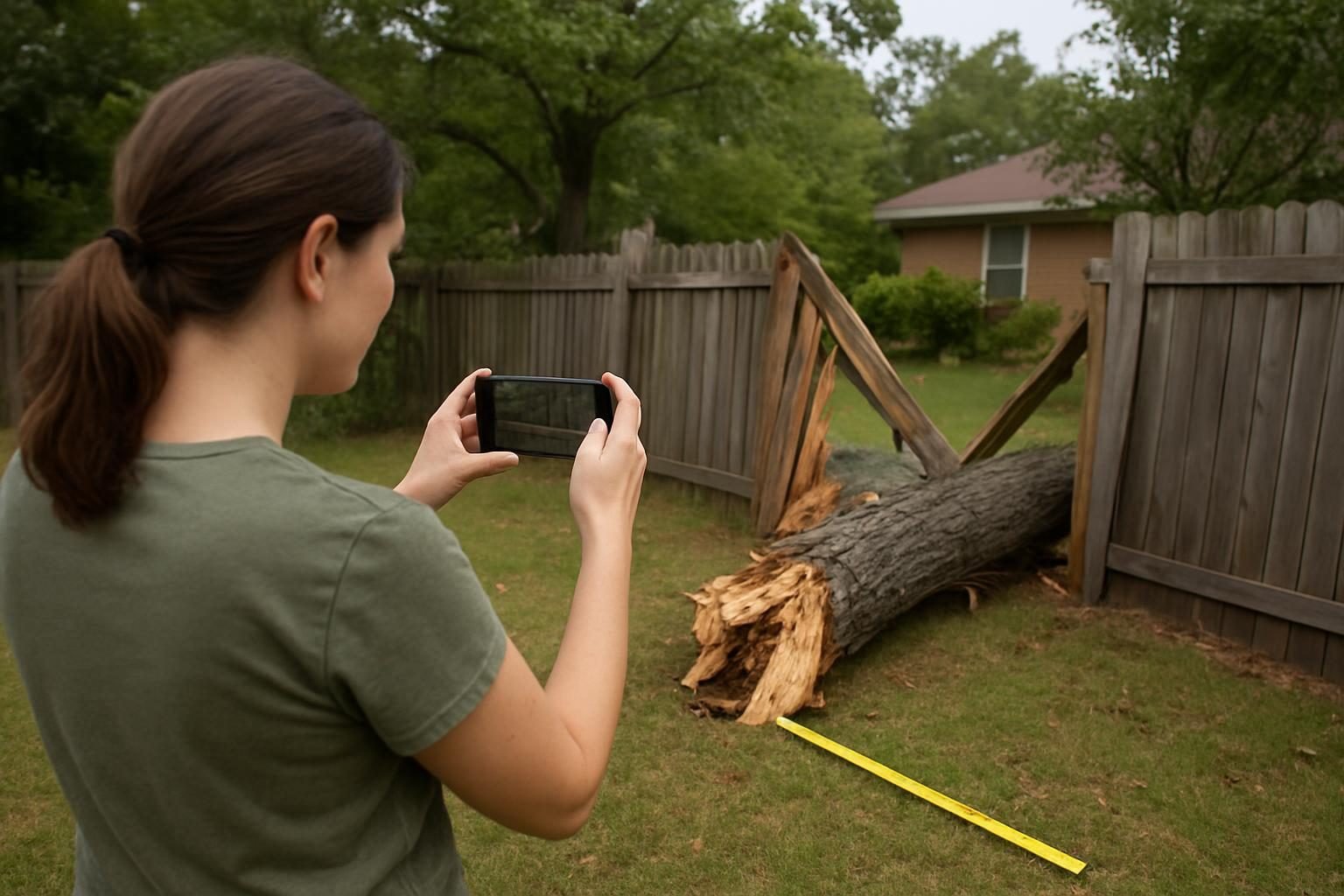
Pro tip: Take photos again after the tree is cut up but before it is hauled away. This shows the trunk cross-section, which can help show whether the tree was healthy or already decayed.
Photos taken before anything is moved are often the strongest evidence you can give your insurer.
Tree Removal After a Hurricane: What Insurance Commonly Covers
Every policy is different, so treat the following as general patterns, not promises. Your declarations page and policy language are what count, and your agent or adjuster can tell you how they apply to your situation.
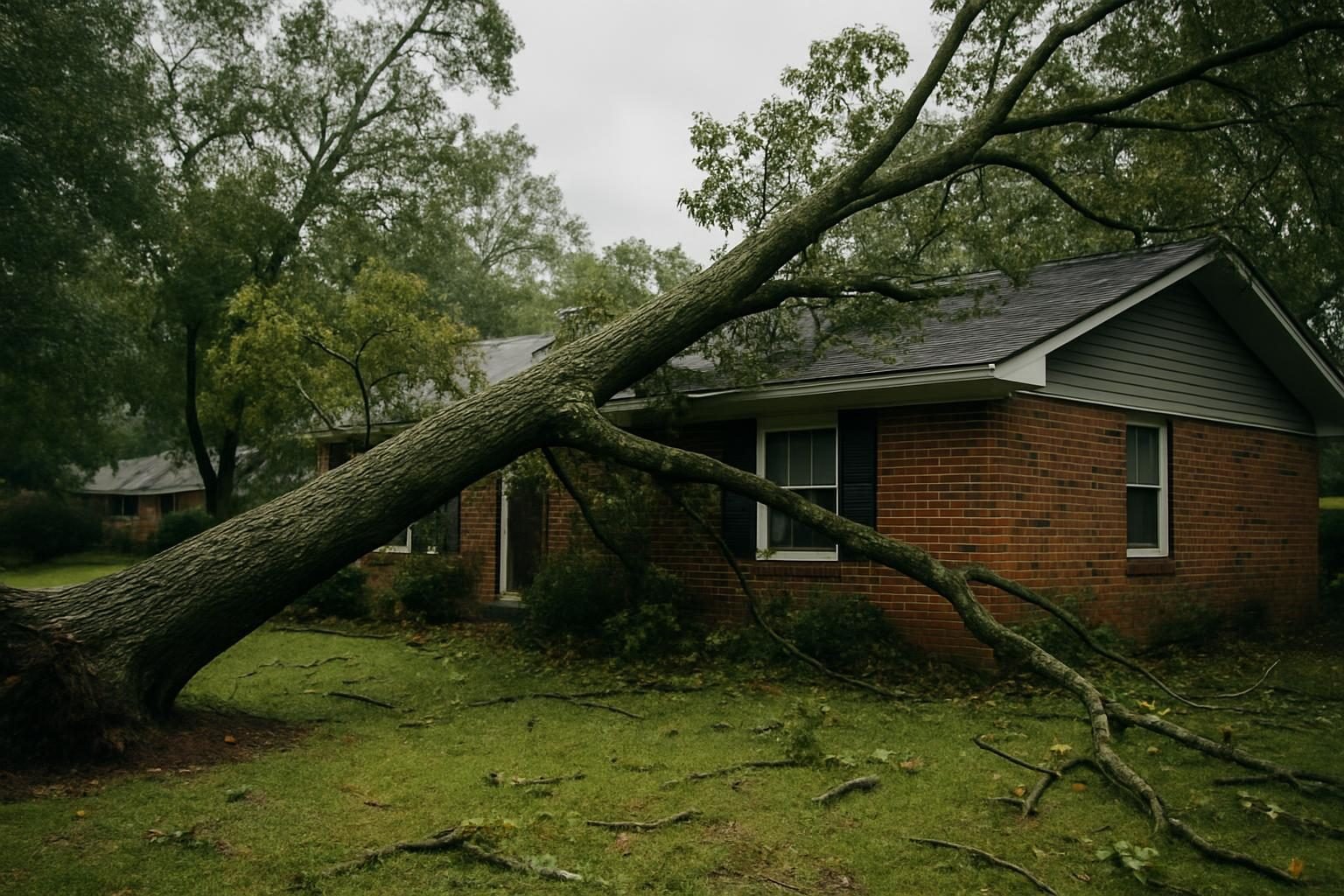
- Tree hits a covered structure. Many homeowners policies help with removal of the tree when it damages your house, garage or another covered structure, often with a per-tree or per-occurrence limit.
- Tree falls but hits nothing. Many policies do not cover removal when a tree simply falls in the yard without damaging a covered structure, though some policies offer limited debris removal coverage.
- Blocked access. Some policies address trees that block a driveway or prevent entry or exit, but this varies.
- Fences, sheds and vehicles. Other structures and vehicles may fall under different coverages or deductibles.
- Wind versus flood. Wind damage is typically handled differently from flood damage, and flood is generally a separate policy.
- Deductibles. North Carolina policies often carry a separate named storm or hurricane deductible, which can be a percentage of the insured value.
For a deeper look at how these rules usually work, read our overview of whether homeowners insurance covers tree removal after storm damage and the companion piece on tree removal coverage in North Carolina.

Getting Written Estimates That Support Your Claim
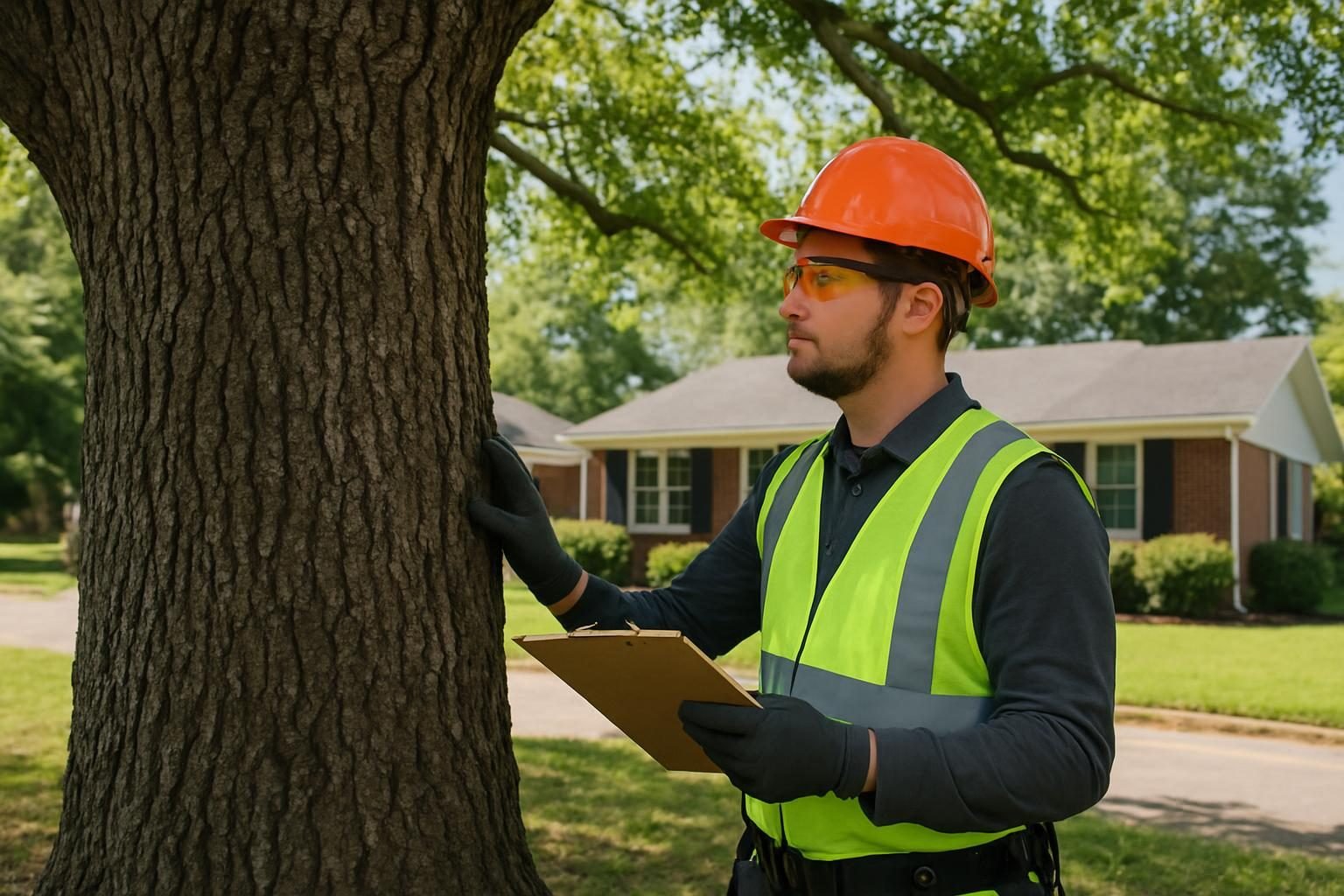
A vague handshake price will not help much with a claim. A clear written estimate shows the scope of work and gives the adjuster something concrete to review.
What a useful estimate includes
- The company’s name, contact details and proof of liability and workers’ comp insurance.
- The address and a description of each tree or section to be removed.
- Whether debris hauling, wood chipping and cleanup are included.
- Whether stump grinding is included or priced separately.
- A clear total, plus any conditions that could change the price.
- Any emergency or after-hours surcharge, listed separately.
Our guide to what a good tree removal estimate should include walks through each line, and our piece on what is included and what costs extra helps you compare quotes fairly.
As a rough estimate, storm-related removals in the Fayetteville area often range from a few hundred dollars for a small tree to several thousand for large trees on roofs or near structures. Actual pricing depends on size, access, hazards and timing. See tree service costs in Fayetteville and emergency tree removal costs after a storm for more detail.
A written, itemized estimate protects you with both your insurer and your contractor.
Emergency Work, Tarps and Keeping Receipts
Many policies expect you to take reasonable steps to prevent further damage, such as covering a damaged roof, and often reimburse reasonable costs for doing so. That does not mean you should rush a full removal before calling your insurer.
- Report the claim promptly. Ask what the insurer needs before major work starts and whether an adjuster will visit.
- Limit early work to what is necessary. Clearing a blocked driveway or stabilizing a hazard is different from removing every downed tree.
- Document why. Note the date, the hazard and who did the work.
- Save every receipt, invoice and written communication. Keep digital copies in one folder.
- Ask for a claim number and the name of your adjuster, and write down each call.
For urgent situations, our emergency storm tree removal service page explains how crews handle trees on roofs and across driveways. For general cleanup steps, see storm damage tree cleanup in Fayetteville.
Choosing a Contractor and Avoiding Storm Chasers
After a major storm, out-of-town crews often arrive and knock on doors. Some are legitimate, but others take deposits and disappear or lack proper insurance. A contractor without coverage can leave you exposed if someone is hurt or property is damaged.
- Ask for proof of liability and workers’ comp insurance and confirm it directly with the carrier.
- Be cautious of large upfront payments or pressure to sign immediately.
- Prefer local companies with a verifiable presence in Cumberland County.
- Be wary of anyone who offers to “waive” your deductible, which can create problems with your insurer.
Read more in our guides on how to spot tree service storm chasers and verifying a tree service’s insurance in North Carolina. If you want a professional opinion on whether a damaged tree can be saved, an arborist tree assessment can help, and our tree removal in Fayetteville page outlines the process.
Ready to compare local options? Use the form on this page to request free, no-obligation tree removal quotes from companies serving Fayetteville, Hope Mills, Raeford and nearby communities.
Frequently Asked Questions
Should I wait for the adjuster before removing a fallen tree?
If the tree is not an immediate hazard, it is usually wise to document it and call your insurer first. If it blocks access or threatens people or property, do what is necessary for safety and keep thorough photos and receipts.
Does homeowners insurance cover stump grinding after a hurricane?
Coverage varies. Some policies treat the stump as part of the removal when a covered tree falls on a structure, while others exclude it. Ask your insurer, and consider our overview of stump grinding to understand the work involved.
What if the tree fell on my neighbor’s property or fence?
Responsibility can depend on the tree’s condition and ownership. Our article on a tree falling on a fence covers the basics, and your insurer can advise on your situation.
How long should I keep my claim records?
Keep photos, estimates, receipts and correspondence at least until the claim is fully settled and any repairs are complete. Many homeowners keep them longer for tax or resale purposes, and your insurer can tell you its own requirements.
Get a free storm tree removal quote
A local tree service will contact you with a free, no-obligation written estimate you can share with your insurer.